
DIY vs. Professional Water Damage Restoration: When to Call a Pro
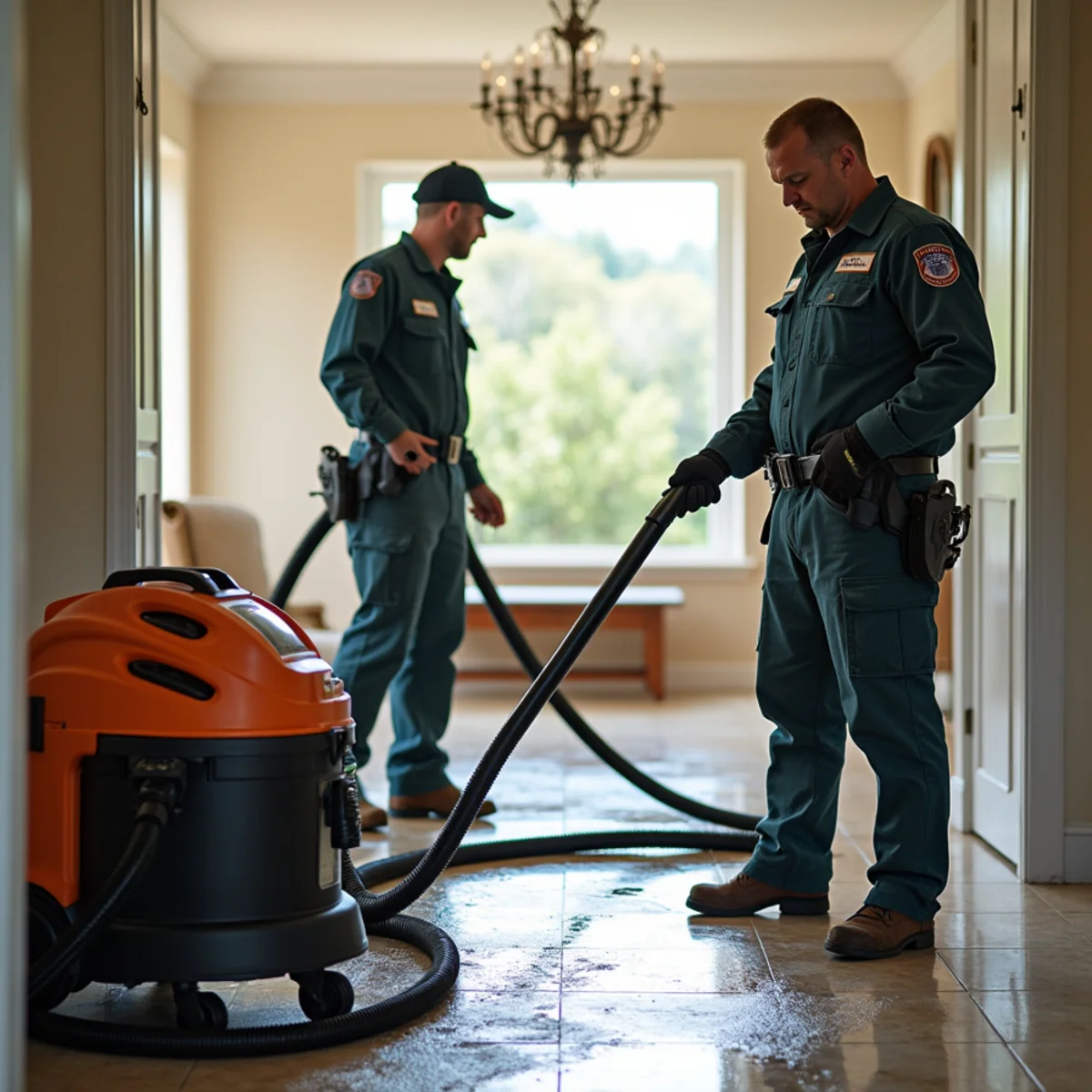
When water shows up where it shouldn't, the first instinct is to grab towels and handle it yourself. Sometimes that is exactly right. Sometimes it is how a $500 problem turns into a $6,000 one, because the water you wiped up was never the water that mattered.
The honest answer to 'can I do this myself?' comes down to three things: what kind of water it is, how long it has been there, and how far it has spread. Here is how to judge each one.
First: what kind of water is it?
Restoration pros sort water into three categories. Category 1 is clean water from a supply line or a faucet. Category 2 (gray water) carries some contamination — think dishwasher or washing-machine overflow. Category 3 (black water) is grossly contaminated: sewage, toilet backups, or outdoor flood and storm water. Only clean Category 1 water is ever a DIY candidate. We explain the differences in the categories of floodwater, explained.
When DIY is reasonable
You can usually handle it yourself when every one of these is true:
- The water is clean (Category 1) — from a supply line, not sewage or outdoor flooding
- You caught it within the first few hours, not a day later
- The affected area is small — roughly under 10 square feet, like under a sink or around a bathroom mat
- It sat on a hard surface (tile, sealed concrete) and did not soak into drywall, insulation, or subfloor
- There is no electrical outlet, appliance, or wiring in the wet zone
If that is your situation: blot up what you can, set up box fans and a dehumidifier, pull back any wet rugs, and keep air moving. A wet/dry shop vac helps with small puddles. Then watch the spot for a few days for any smell or discoloration.
When to call a professional
Call a pro if any one of these is true — not all of them, any one:
- The water is gray or black (sewage, storm, or outdoor flooding) — this needs professional sewage and contamination cleanup
- It sat for more than 24 hours
- It reached drywall, baseboards, insulation, cabinets, or subfloor
- The wet area is larger than about 10 square feet
- There is any electrical hazard near the water
- You plan to file an insurance claim and need proper documentation
- There is already a musty smell, which means moisture is deeper than it looks
The hidden-moisture problem
Here is the trap that catches most DIY cleanups: a surface can feel completely dry while the material underneath is still soaked. Drywall, framing, and subfloor hold water for days, and in Santa Barbara the marine layer slows evaporation even further. A household fan dries the top inch and stops there.
That leftover moisture is exactly what mold needs, and it can start growing within 24 to 48 hours — see how fast mold grows after a leak. Professional structural drying uses commercial air movers and dehumidifiers sized to the space, with daily moisture readings, so the material reaches a verified dry standard instead of a dry surface. A shop vac alone does not get there — here is why a shop vac on a flooded carpet is not enough.
The real cost comparison
DIY looks cheaper on day one — maybe a few hundred dollars to rent fans and a wet/dry vac. The risk is what you cannot see: an under-dried wall can lead to mold remediation and structural repairs that run into the thousands, and those are not always covered if the damage was made worse by a botched cleanup. For a covered loss, a professional job is frequently paid largely by insurance minus your deductible. Our Santa Barbara cost guide has the full breakdown.
A simple rule of thumb
Clean water, small area, caught fast, hard surface, no electrical — DIY is reasonable. Anything contaminated, widespread, soaked into the structure, older than a day, or headed for an insurance claim — call a professional before the damage spreads.
Not sure which side of the line you are on? Call us at (201) 277-9344 and describe what you are seeing. If it is genuinely a small clean-water spill, we will tell you so — and if it is not, we can have a crew on the way.
Frequently Asked Questions
Can I just rent fans and a dehumidifier and dry it myself?
Is it safe to clean up sewage or a toilet backup myself?
Will my insurer still pay if I started the cleanup myself?
How do I know if the water got into the wall?
Services in this article
Areas we serve
Keep reading
 How-To
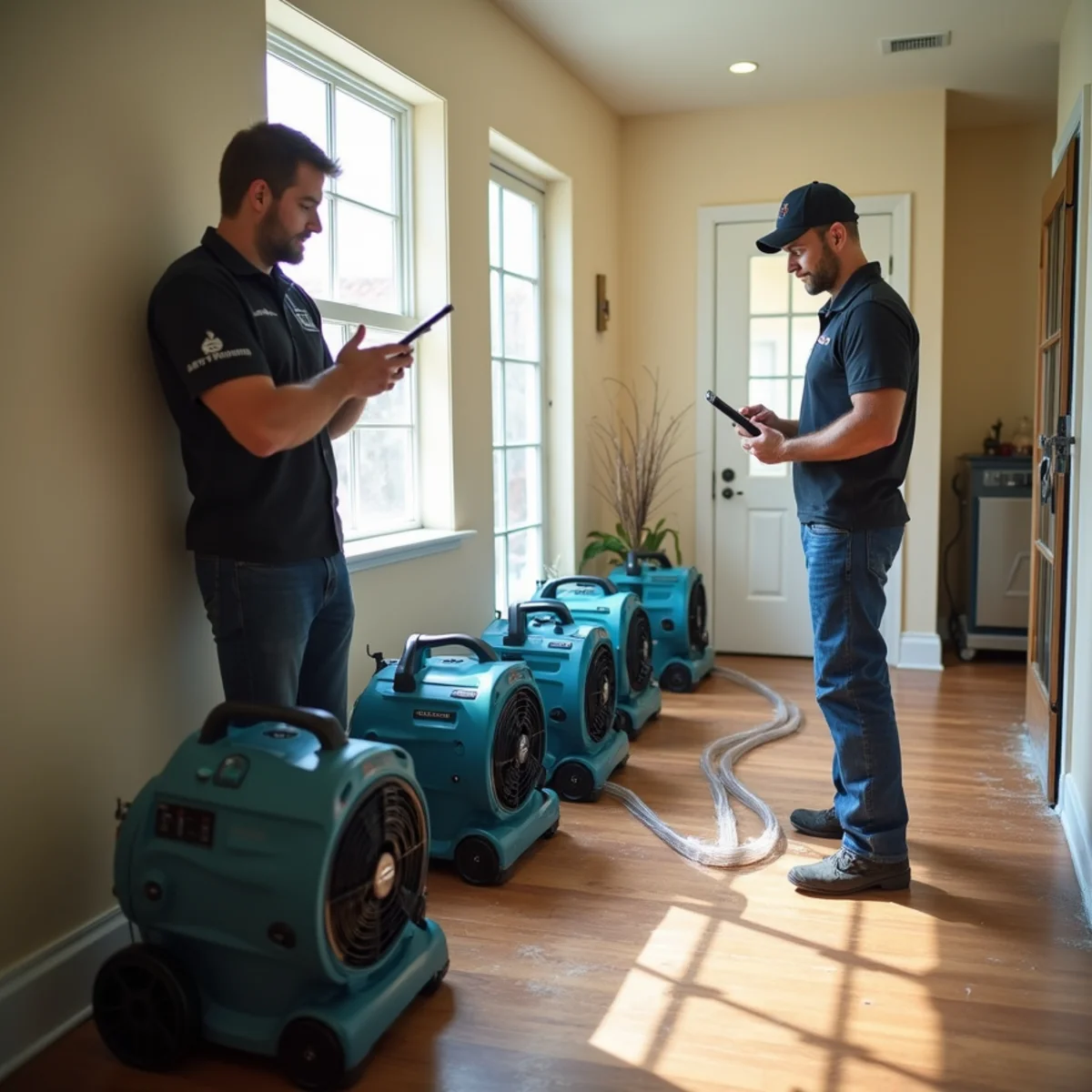
The Water Damage Restoration Process: What to Expect, Step by Step
Once the water is stopped, what actually happens next? Here is the full water damage restoration process, step by step, with a realistic timeline so you know what to expect from the first moisture reading to the final coat of paint.
 How-To
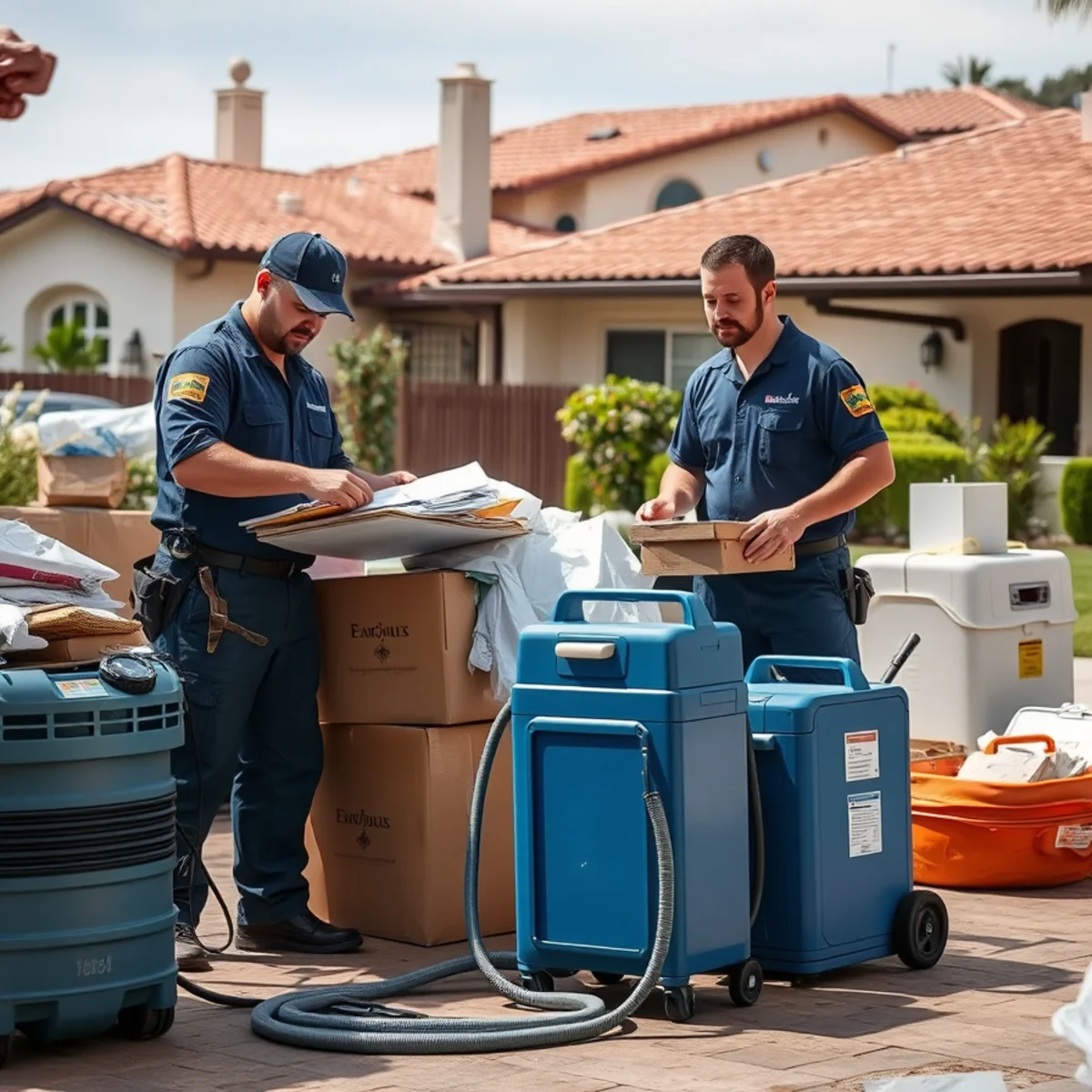
Why Shop-Vaccing a Flooded Carpet Isn't Enough
A shop vac pulls surface water but leaves the pad and subfloor soaked, and that hidden moisture grows mold. Here is how to extract and dry a flooded carpet right.
 How-To
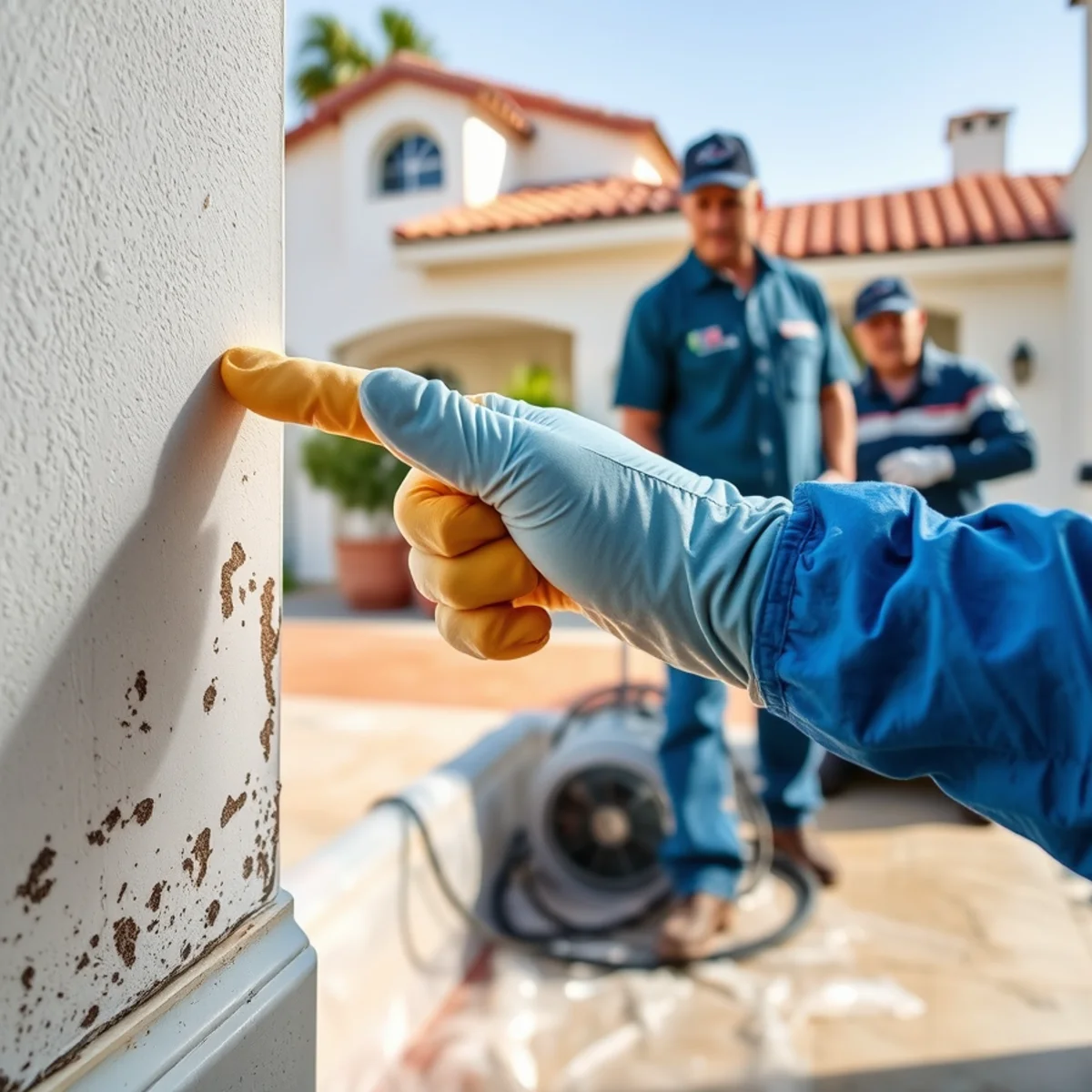
How Fast Does Mold Grow After a Leak? Inside the 24-48 Hour Window
Mold does not need weeks to take hold after a leak. It needs a day or two. Here is what happens inside the 24 to 48 hour window and why fast drying is your only real defense.