
How Fast Does Mold Grow After a Leak? Inside the 24-48 Hour Window
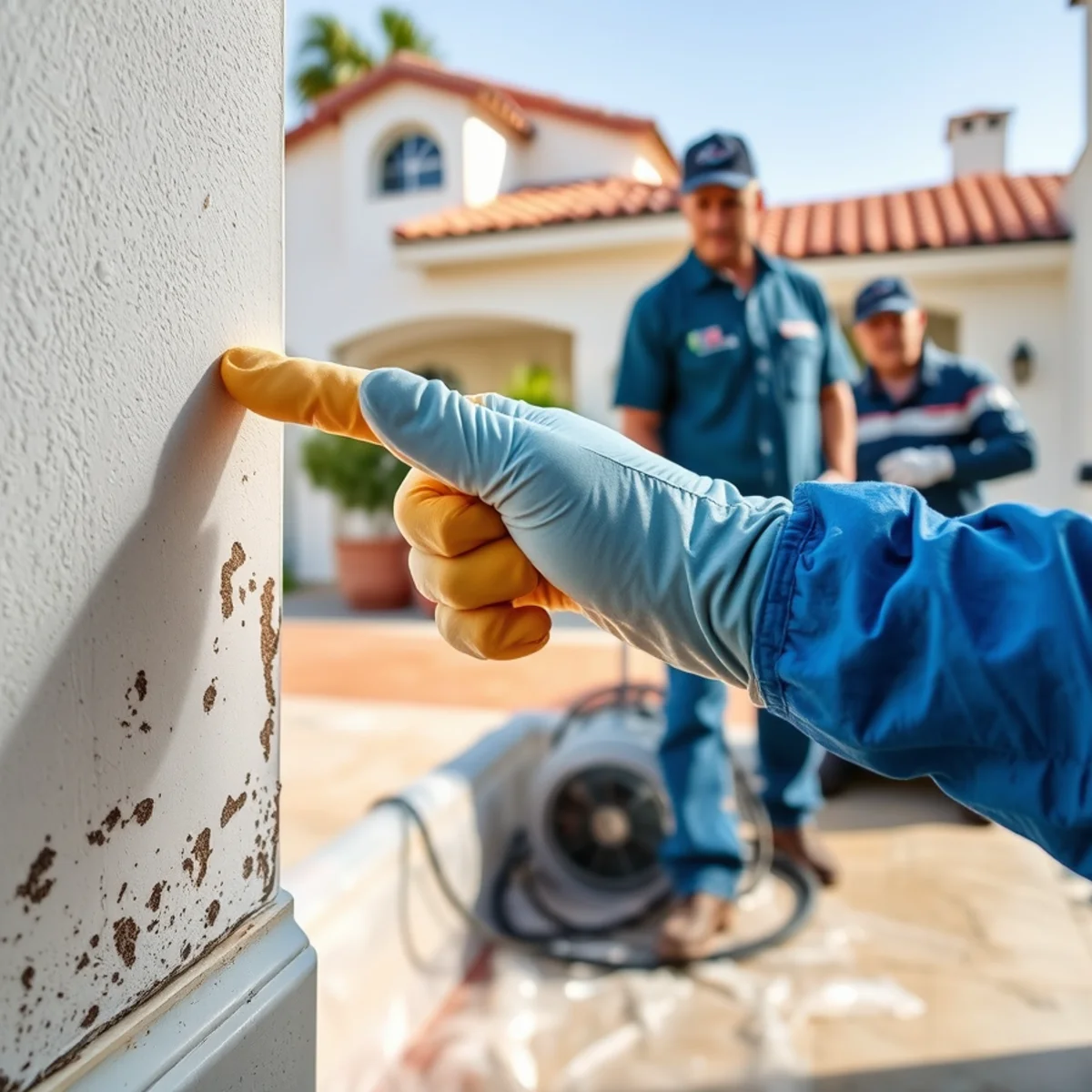
Most people assume mold is a slow problem, something that shows up weeks later in a neglected corner. After a leak, that assumption costs them. Mold is one of the fastest-moving consequences of water damage, and the window to prevent it is measured in hours, not weeks.
Mold spores are already in your home, harmless and dormant, floating in the air and settled in dust. They are waiting for one thing: moisture. Add water to organic material like drywall paper, wood, or dust, and those spores have everything they need. In Santa Barbara's coastal humidity, they get it fast.
The 24 to 48 hour window
The number to remember is this: mold can begin growing within 24 to 48 hours of a material getting wet. That is the industry-recognized window, and it is not a comfortable margin. It means the difference between a dry-out and a remediation is often just a day or two of delay.
The marine layer makes it worse here than in drier climates. Coastal fog keeps indoor humidity elevated, and mold thrives when relative humidity stays high. A wet wall that might dry on its own inland can stay damp for weeks near the coast, giving spores a long runway.
What is happening hour by hour
- Hours 0 to 24: Water wicks into porous materials. Drywall, carpet pad, and insulation absorb and hold moisture. Spores land on wet surfaces and begin to activate.
- Hours 24 to 48: Germination begins. Spores put out hyphae, the root-like threads that anchor into material. This is the start of a colony.
- Days 3 to 5: Visible growth and the musty MVOC smell appear. Colonies spread and begin releasing new spores into the air.
- Beyond a week: Established colonies penetrate deeper into materials, airborne spore counts climb, and the problem spreads to unaffected rooms.
Expert tip
The clock does not care whether you can see the water. Moisture hidden in a wall cavity or under flooring grows mold on the same 24 to 48 hour timeline as a visible puddle. That is why hidden moisture is the real enemy.
What makes mold grow faster
The 24 to 48 hour window is a guideline, not a guarantee. Several conditions push growth to the fast end of that range, and a Santa Barbara home often has more than one of them working at once.
- High humidity: the marine layer keeps indoor relative humidity elevated, which is exactly what mold needs
- Warm temperatures: mold grows fastest in the same comfortable range people keep their homes
- Organic material: drywall paper, wood, dust, and natural fibers are all mold food
- Poor airflow: still air in a closed wall cavity or under flooring holds moisture against the material
- Category of water: grey and black water carry more nutrients and organisms than clean water
Why drying speed is everything
You cannot kill your way out of a mold problem while the material is still wet. Remove the moisture fast enough, and the spores never activate. That is the entire logic of emergency water-damage response: beat the window.
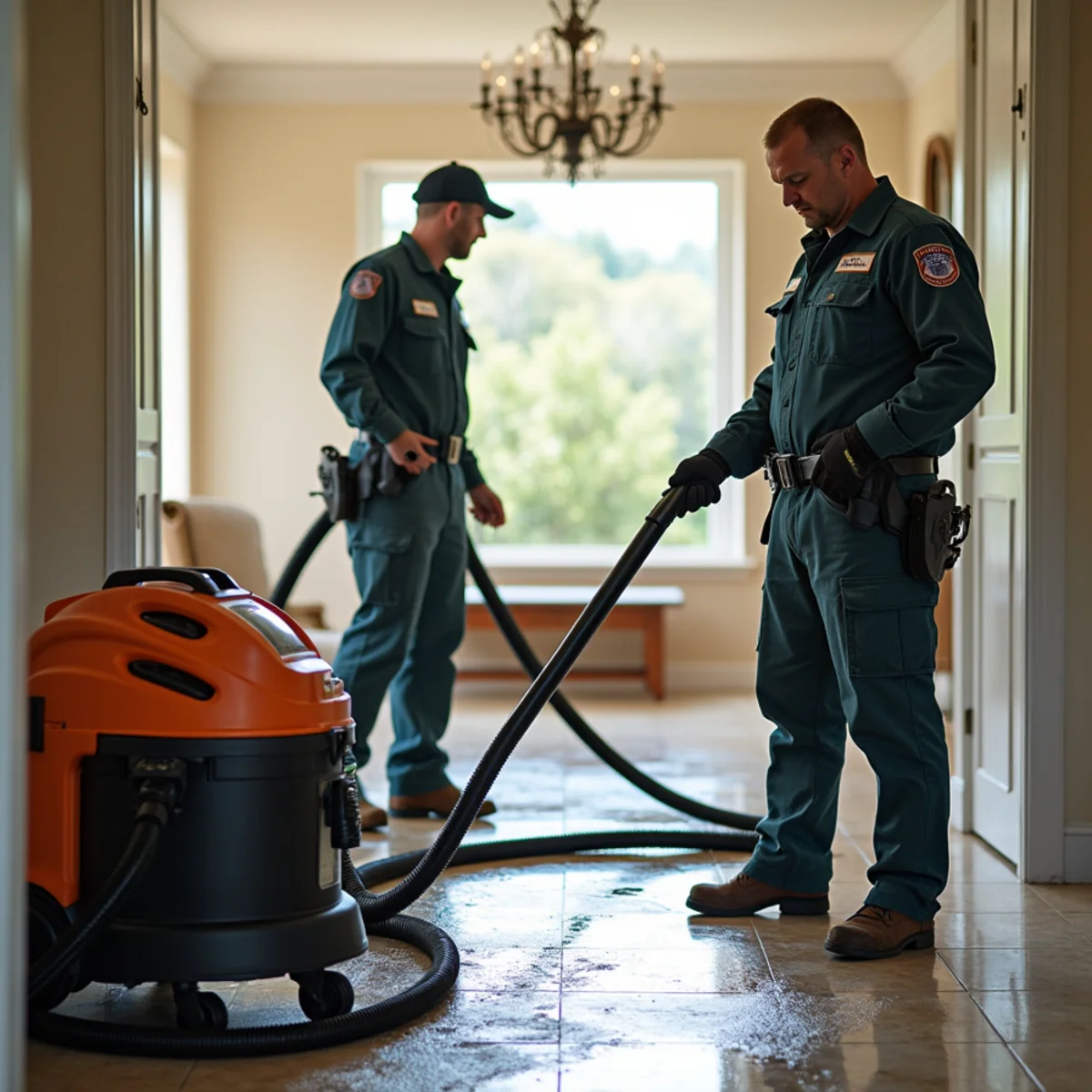
Step one is getting the water out immediately. Emergency water removal with truck-mounted and portable extractors pulls standing water before it soaks deeper into the structure, which is the single biggest factor in whether you face mold at all.
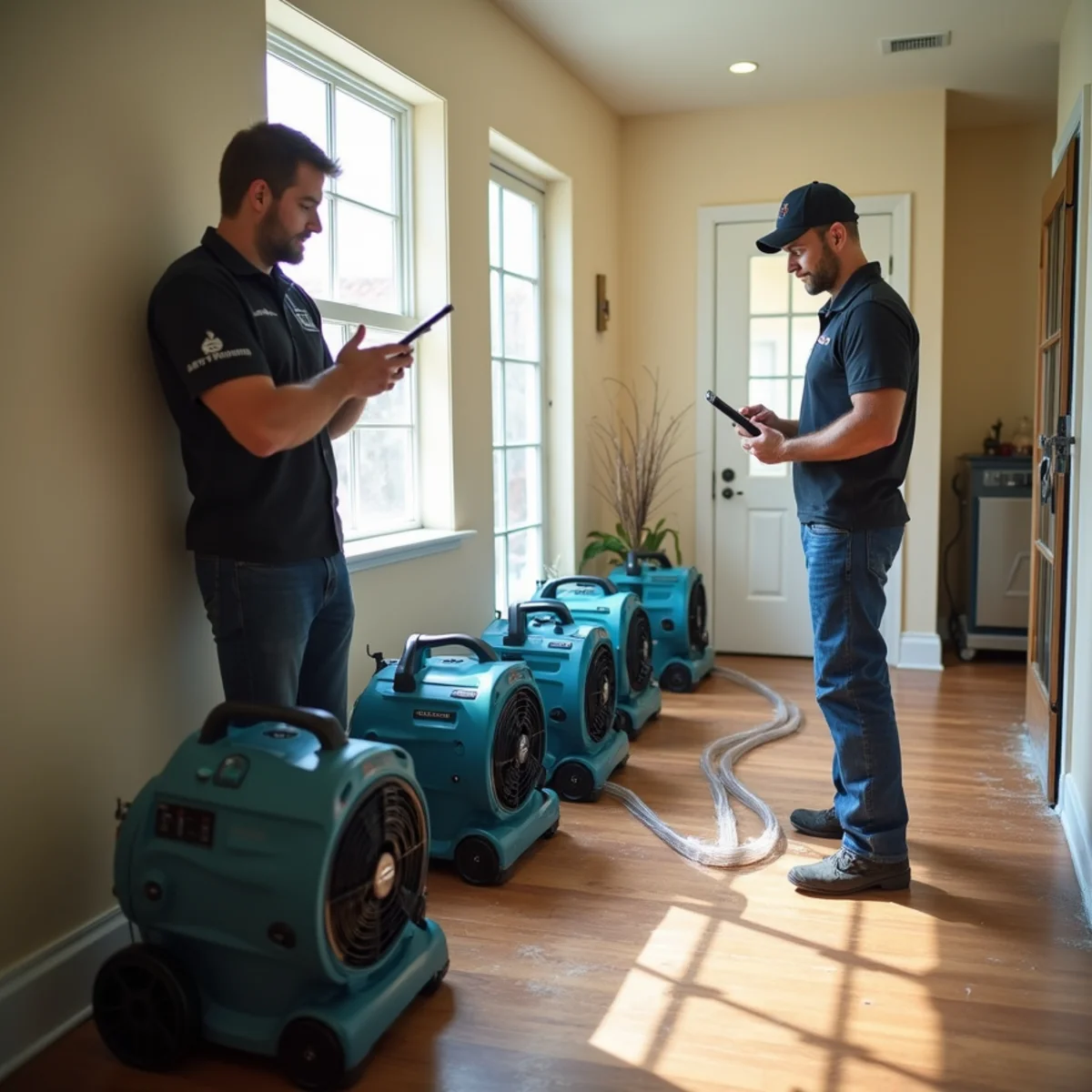
Step two is drying the structure below the mold threshold. Structural drying and dehumidification sets air movers to drive evaporation and LGR dehumidifiers to pull that moisture out of the air, while technicians log moisture readings and relative humidity daily until materials reach the dry standard. Done inside the window, it stops mold before it starts.
When the window has already closed
If the water sat for a few days, or you discovered the leak late, growth may already be underway. That is not a wet-vac fix. Professional mold remediation uses containment barriers, negative air, HEPA air scrubbers, and antimicrobial treatment to remove the colony and capture spores so they do not spread while the work is done.
Reaching for bleach is a common mistake here. On porous materials, bleach does not reach the roots of the growth, and it adds water while it is at it. Real remediation removes the colonized material and dries the structure, rather than painting over the surface and hoping.
We race this clock all over town. In the family cottages of San Roque, many built in the 1920s to 40s on original plumbing, a hidden supply-line leak can seed mold before anyone notices the damp. And across the marine-layer neighborhoods of Goleta, persistent coastal humidity keeps materials wet long enough for spores to take hold.
Beat the clock
Mold after a leak is a race, and the finish line is 24 to 48 hours out. The faster the water is gone and the structure is drying, the better your odds of avoiding remediation entirely. If you have had a leak, do not wait to see if it dries on its own. Call Restore Santa Barbara at (201) 277-9344. We answer at any hour and get a crew moving, because with mold, speed is the whole game.
Frequently Asked Questions
How fast does mold grow after water damage?
Can I prevent mold after a leak?
Does mold grow in hidden places I cannot see?
Services in this article
Keep reading
 How-To
The Water Damage Restoration Process: What to Expect, Step by Step
Once the water is stopped, what actually happens next? Here is the full water damage restoration process, step by step, with a realistic timeline so you know what to expect from the first moisture reading to the final coat of paint.
 How-To
DIY vs. Professional Water Damage Restoration: When to Call a Pro
Some water you can clean up with a mop and a box fan. Some will cost you thousands in hidden mold if you try. The deciding factor is not how handy you are — it is the water, the clock, and how far it spread.
 How-To
How to Choose a Water Damage Restoration Company in Santa Barbara
After a water loss, the company you hire in the first hour shapes how much of your home gets saved — and whether your insurance claim goes smoothly. Here is exactly what to verify before you let anyone start pulling up floors.