
Category 1, 2, or 3? Why the Type of Floodwater Changes Everything
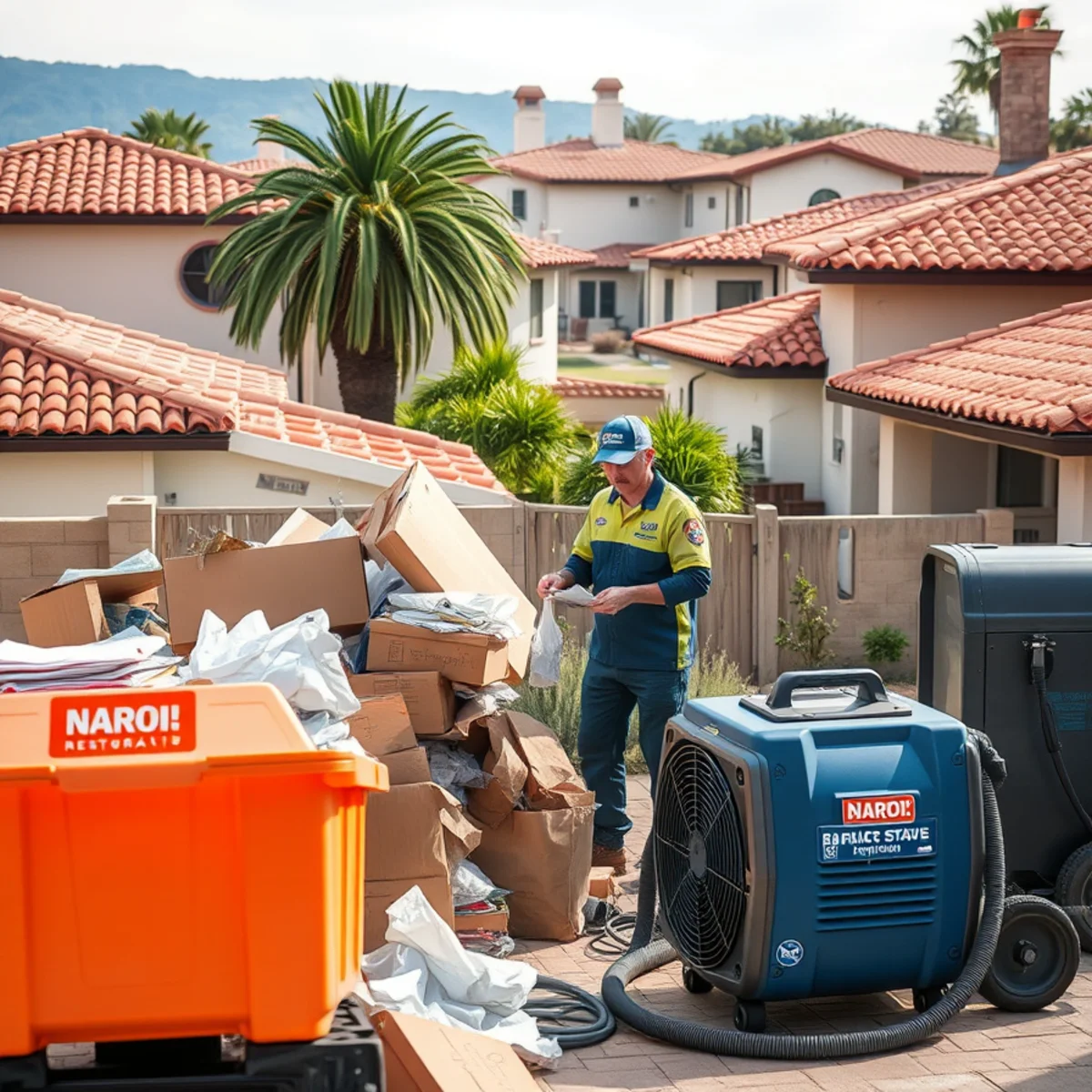
Two homes take on the same amount of water. One is dried out and back to normal in a few days. The other needs demolition, disposal, and a full sanitizing. The difference usually is not the amount of water. It is the kind of water.
People tend to think of a flood as a flood. Restorers do not. The first thing we determine on any job is the water category, because it decides almost everything that follows: what gets saved, what gets thrown out, what protective gear we wear, and what the bill looks like. Guess wrong, and you either waste money or leave your family exposed to contamination.
The three categories of water
Category 1: clean water
Category 1 comes from a sanitary source: a broken supply line, an overflowing tub with no additives, a failed water-heater connection. At the moment it escapes, it poses little health risk. The catch is that clean water does not stay clean. Once it sits in contact with building materials, dirt, and time, it degrades. Category 1 becomes Category 2 within roughly 24 to 48 hours, and faster in warm, humid conditions.
Category 2: grey water
Category 2, or grey water, carries meaningful contamination and can cause illness if ingested or contacted. Think discharge from a dishwasher or washing machine, or overflow from a toilet that held urine but no solids. It also includes Category 1 water that has sat and started to grow bacteria. Grey water requires disinfection, and porous materials it soaks are often removed.
Category 3: black water
Category 3, or black water, is grossly contaminated and can cause serious illness. It includes sewage, sewer backups, toilet overflow with solids, and any floodwater that traveled across the ground or in from outside. Stormwater and rising surface water are Category 3 by definition. This water carries bacteria, viruses, and other pathogens, and it demands full protective equipment, containment, and aggressive removal of contaminated materials.
Expert tip
Category is not fixed. Clean water left to sit turns grey, and grey turns black. This is why response time matters so much. The same leak costs far less to handle on day one than on day three.
Why the category changes everything
What gets saved
In Category 1, most materials can be dried in place and kept. In Category 3, porous materials that absorbed the water, such as carpet pad, drywall, insulation, and upholstery, generally have to be removed and discarded, because they cannot be reliably sanitized.
What the cleanup costs
Category drives price because it drives labor, disposal, and protective measures. As a rough guide, clean-water work runs about $3 to $4 per square foot, grey water about $4 to $6.50, and black water about $7 to $7.50. A whole-home restoration commonly lands between $1,600 and $9,700, with most homeowners paying somewhere in the $1,384 to $6,384 range.
How the crew works
Category 3 changes the entire method: containment barriers, negative air, protective equipment, HEPA filtration, and antimicrobial treatment, none of which a clean-water job requires. It is a genuinely different scope of work.
Category also shapes your insurance claim. A clean-water dry-out is a smaller loss than a black-water job that requires demolition and disposal, and the average water-damage claim runs close to $13,954. Documenting the category, the affected materials, and each day of drying gives your adjuster what they need to settle it.
A note on classes, which are not the same as categories
Category describes how dirty the water is. Class describes how much water there is and how hard it will be to dry, from Class 1, a small area with minimal absorption, up to Class 4, specialty drying for materials like hardwood, plaster, and concrete. Our 1920s to 40s Spanish homes with plaster and lath often push into the higher classes, because plaster holds water stubbornly and dries slowly.
Matching the response to the category
Clean-water intrusions call for fast water extraction and drying before the category can degrade. Outdoor flooding and storm runoff are handled as flood cleanup with the assumption the water is contaminated. And a sewer backup or toilet overflow with solids is sewage cleanup, the most involved of the three because of the health risk.
This matters right on the coast. In the converted waterfront condos of West Beach, a clean supply-line leak that sits overnight in humid salt air degrades quickly, while the harbor-front Waterfront district faces the highest storm-surge and flood risk in the city, where incoming water is Category 3 from the start.
Know what you are dealing with
The category of the water is the single most important fact about any water-damage job. It tells you what is salvageable, how the work has to be done, and roughly what it will cost. When you are not sure what kind of water you are dealing with, treat it as the more dangerous option and call a pro. Restore Santa Barbara answers at (201) 277-9344, day or night, with IICRC-certified technicians who categorize the water correctly and clean it up safely.
Frequently Asked Questions
What are the three categories of water damage?
Can clean water become contaminated?
Why does water category affect the cost of cleanup?
Services in this article
Areas we serve
Keep reading
 How-To
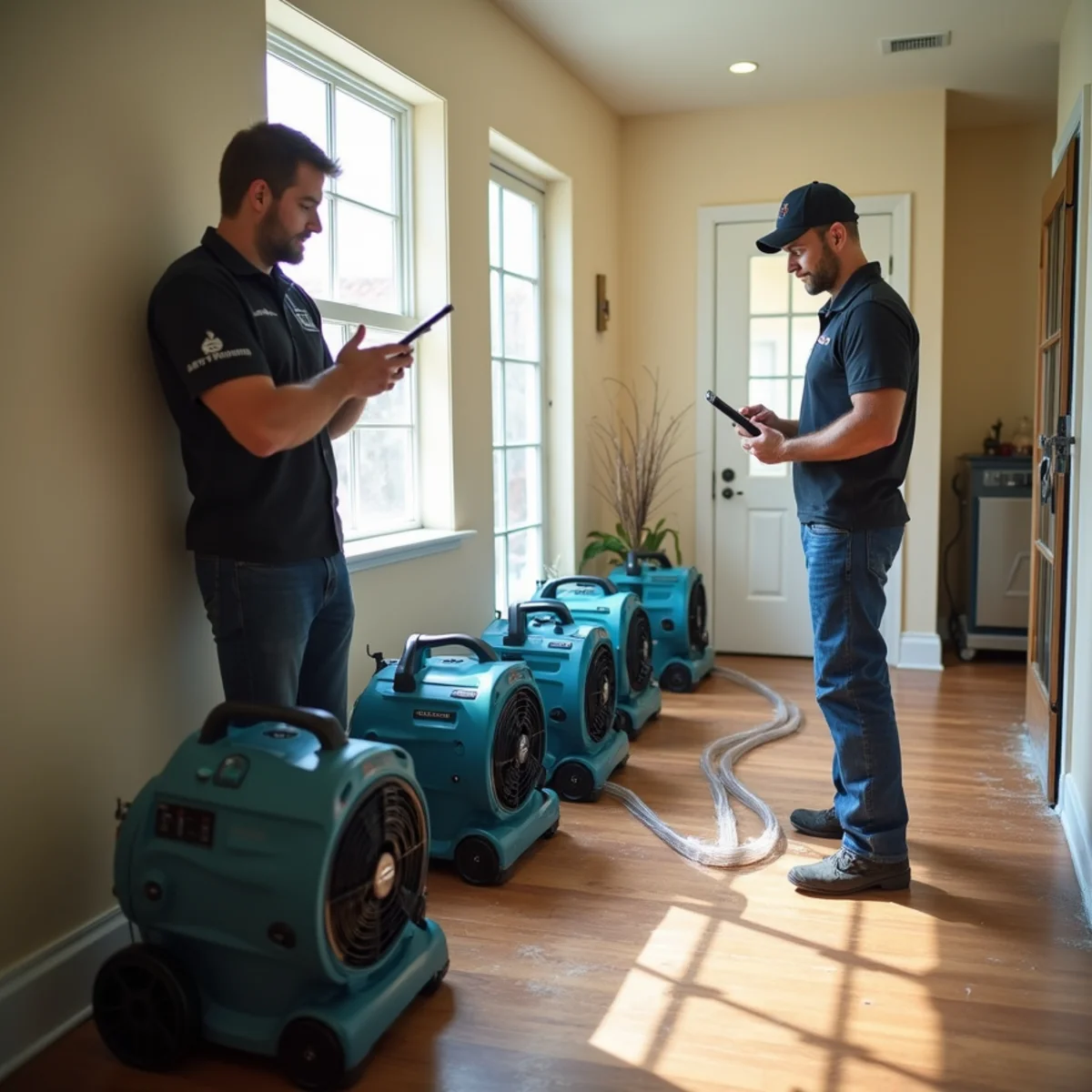
The Water Damage Restoration Process: What to Expect, Step by Step
Once the water is stopped, what actually happens next? Here is the full water damage restoration process, step by step, with a realistic timeline so you know what to expect from the first moisture reading to the final coat of paint.
 How-To
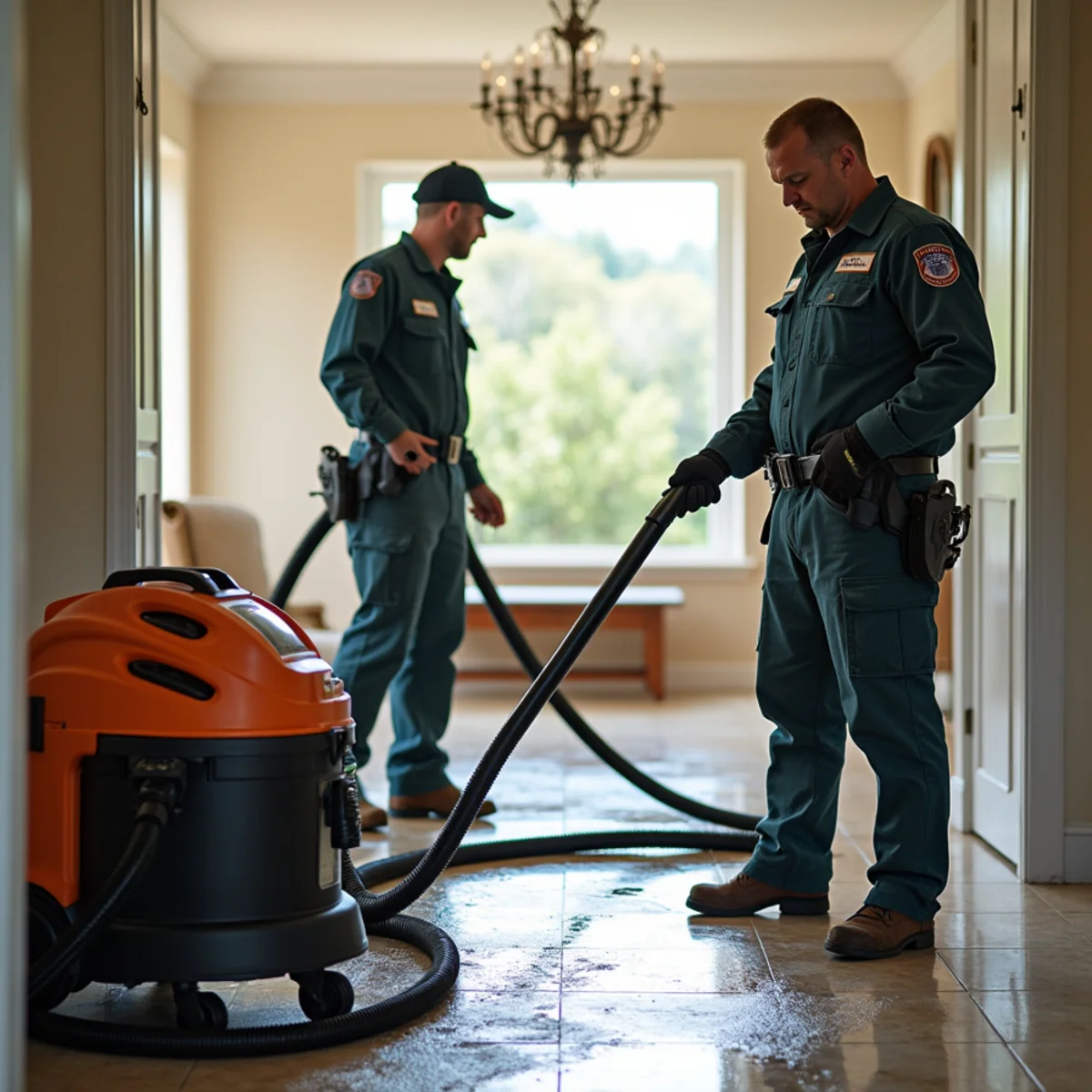
DIY vs. Professional Water Damage Restoration: When to Call a Pro
Some water you can clean up with a mop and a box fan. Some will cost you thousands in hidden mold if you try. The deciding factor is not how handy you are — it is the water, the clock, and how far it spread.
 How-To
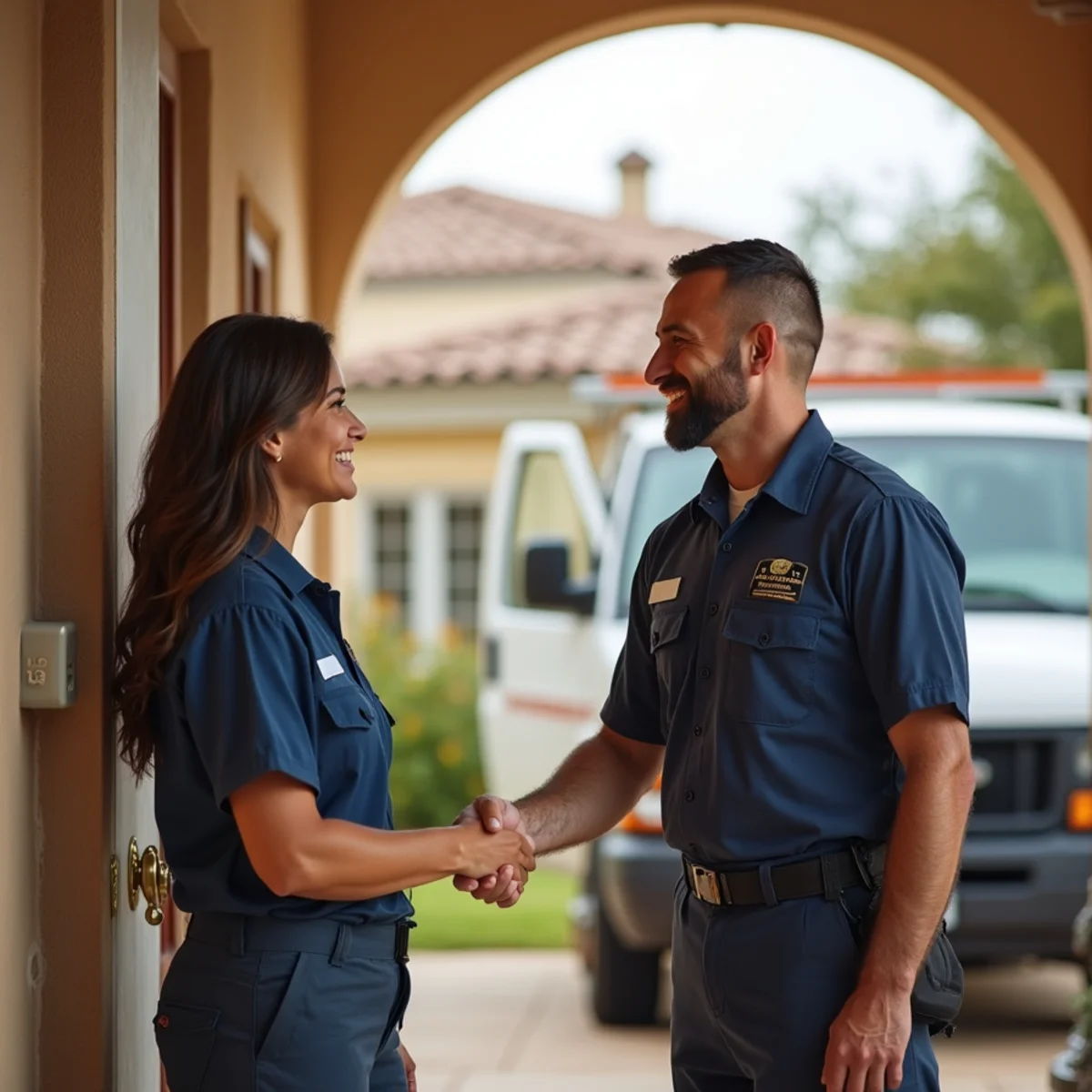
How to Choose a Water Damage Restoration Company in Santa Barbara
After a water loss, the company you hire in the first hour shapes how much of your home gets saved — and whether your insurance claim goes smoothly. Here is exactly what to verify before you let anyone start pulling up floors.