
The Water Damage Restoration Process: What to Expect, Step by Step
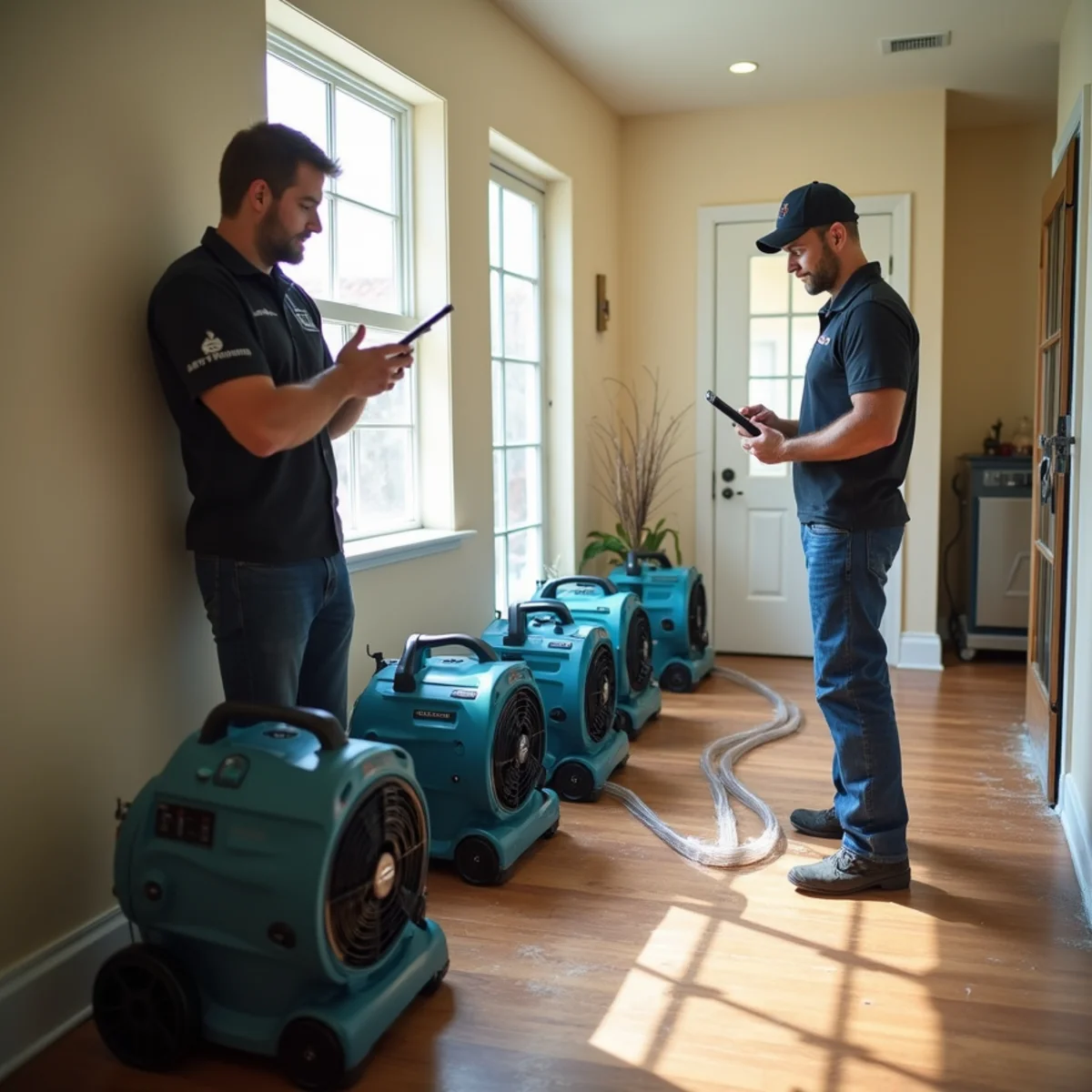
Most people have never been through a water damage restoration until the day they are standing in it. Not knowing what comes next — or how long it takes — makes a stressful situation worse. This is the whole process, in order, and roughly how long each stage takes for a typical Santa Barbara home.
Step 1 — Inspection and moisture mapping
Before anyone moves equipment in, a technician finds out how far the water actually went. That means moisture meters and thermal imaging to trace water that has already migrated into walls and under floors, plus assessing the category of water (clean, gray, or black) and the class of the loss. This is where the scope of work — and the drying plan — gets set.
Step 2 — Water extraction
Standing water comes out first, with truck-mounted or portable extractors. Depending on volume, water extraction takes a few hours to most of a day. This is the most time-urgent step: every hour standing water sits, more of it soaks into the structure.
Step 3 — Structural drying and dehumidification
This is the part that actually prevents mold, and it is where corners get cut by the inexperienced. Commercial air movers push air across wet surfaces while dehumidifiers pull moisture out of the air and the materials, running 24 hours a day. Structural drying typically takes 3 to 5 days, and longer for dense materials like hardwood, plaster, or concrete — common in Santa Barbara's older homes — and slower still when the marine layer keeps humidity up. Our guide on how long structural drying takes goes deeper.
Step 4 — Daily moisture monitoring
Drying is not a set-and-forget process. A technician returns each day to take moisture readings, document progress, and adjust or move equipment. The goal is a measured dry standard taken from the unaffected parts of your home — not just 'it feels dry.'
Step 5 — Removing what cannot be saved
Some materials will not reach a dry standard no matter how long the fans run — saturated carpet pad, swollen drywall, soaked insulation. These are removed and disposed of, with photos and an itemized list for your insurance file. Good crews save what can be saved and remove only what must go.
Step 6 — Mold check and cleaning
If water sat long enough, or a musty smell is present, the next step is checking for mold and, if found, containing and removing it before repairs begin. You never want to close a wall back up over hidden mold. When needed, this is handled as proper mold remediation with containment and HEPA filtration.
Step 7 — Repairs and reconstruction
Once everything is verified dry and clean, the home is put back to its pre-loss condition — new drywall, paint, flooring, baseboards, whatever was removed. Reconstruction scope ranges from a day of patching to several weeks for a major loss.
A realistic timeline
- Day 1 — Inspection, water extraction, and drying equipment set up
- Days 2 to 5 — Structural drying with daily moisture monitoring (longer for hardwood, plaster, or in heavy marine-layer humidity)
- Days 5 to 7 — Removal of any materials that could not be dried, if needed
- Weeks 2 to 10 — Reconstruction and repairs, depending on how much was removed
What you should do during the process
- Let the drying equipment run — do not turn off fans or dehumidifiers to save on noise or power; stopping them restarts the clock
- Keep documenting, and hold onto the restoration company's moisture readings and photos for your claim
- Stay in touch with your adjuster — see how to document water damage for insurance
- Tell your crew about any new smell, stain, or soft spot that appears
Knowing the steps in advance also helps before the crew even arrives — our guide on what to do in the first 24 hours after water damage covers that window. If you are starting this process now, call (201) 277-9344 for 24/7 help.
Frequently Asked Questions
How long does the whole water damage restoration take?
Can I stay in my house during the drying?
Why is the drying equipment so loud, and can I turn it off at night?
Do you handle the repairs too, or just the drying?
Services in this article
Areas we serve
Keep reading
 How-To
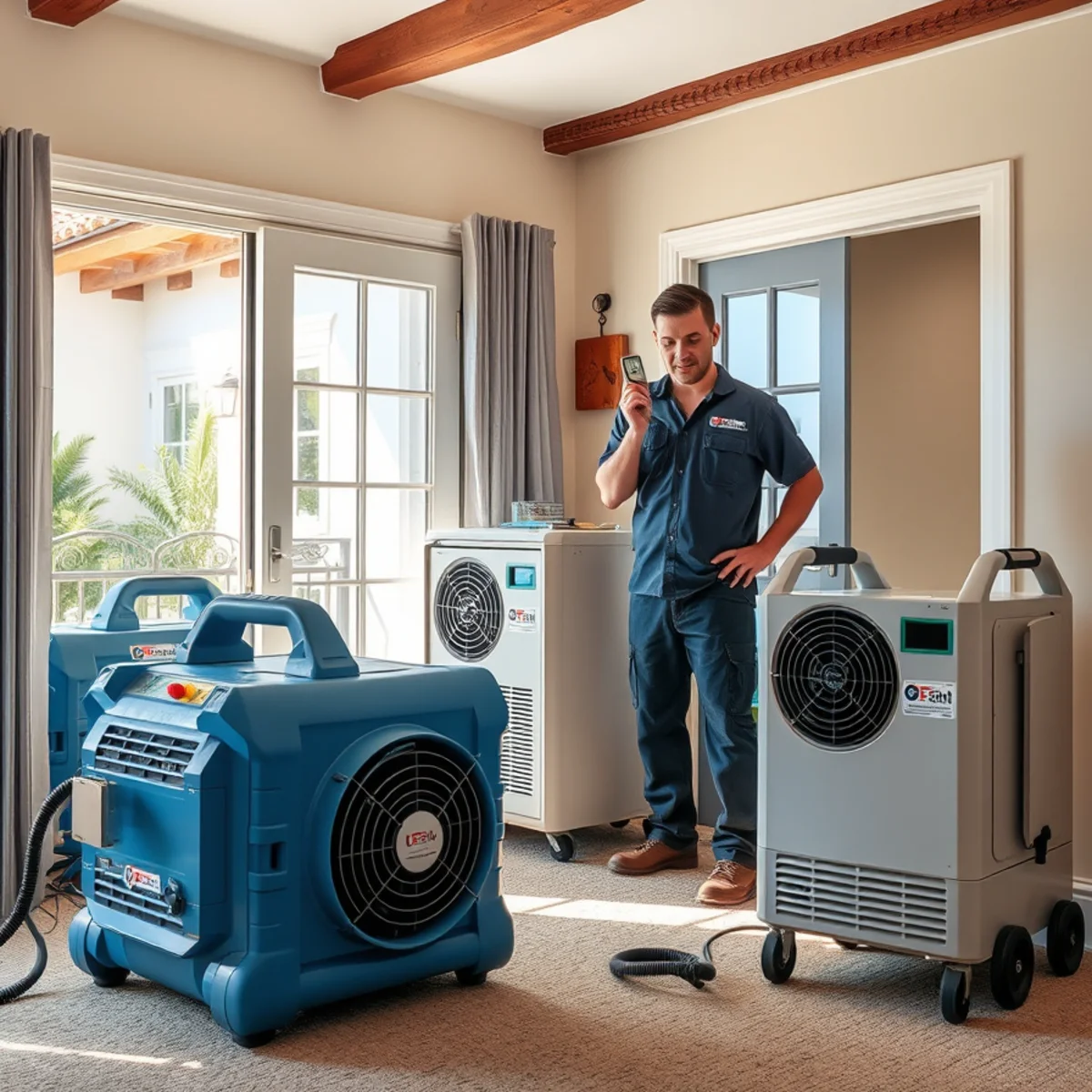
How Long Does Structural Drying Take? A Room-by-Room Timeline
Structural drying usually takes three to five days, longer for hardwood, plaster, and crawl spaces. A realistic, room-by-room timeline and why you cannot rush it.
 Emergency Guide
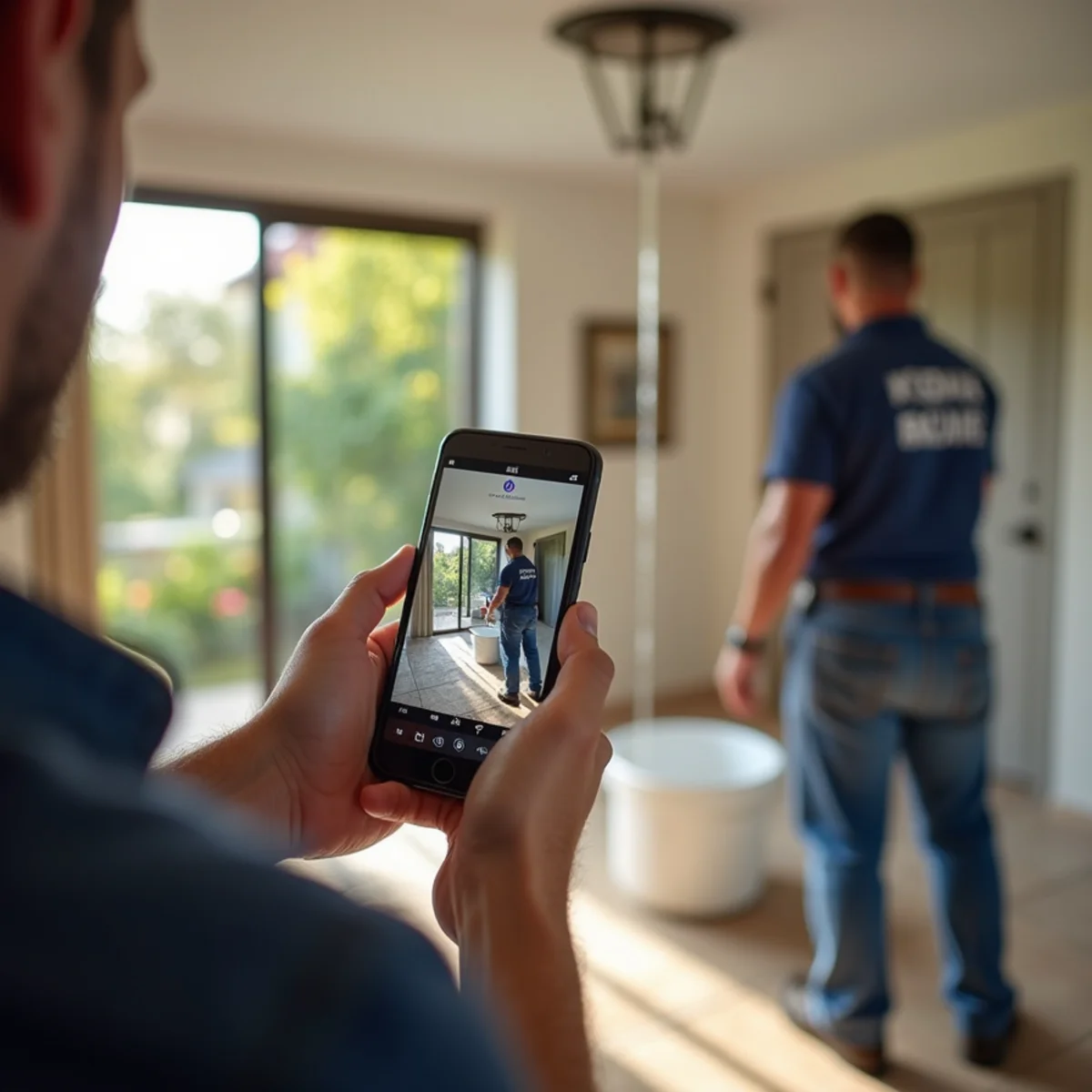
What to Do in the First 24 Hours After Water Damage
The first day after water damage decides how bad it gets. Mold can start within 24 to 48 hours, and insurers expect fast action. Here is exactly what to do — and what not to do — in the first 24 hours.
 Cost & Insurance
How to Document Water Damage for an Insurance Claim
A water damage claim is won or lost in the first hour. Here is the step-by-step way to document the loss so your adjuster pays what you are owed.