Skip to content
We answer the phone at 2 a.m.(201) 277-9344
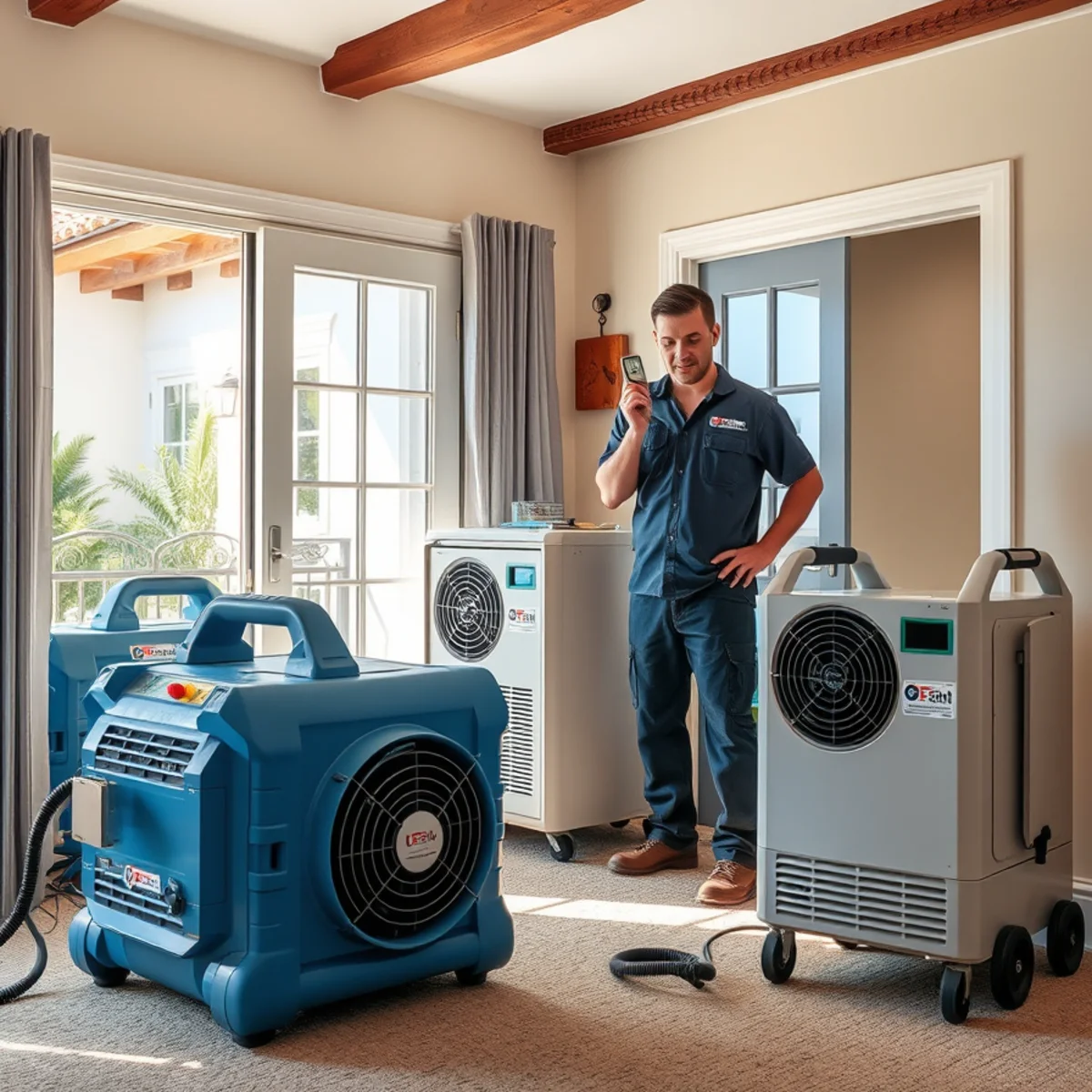
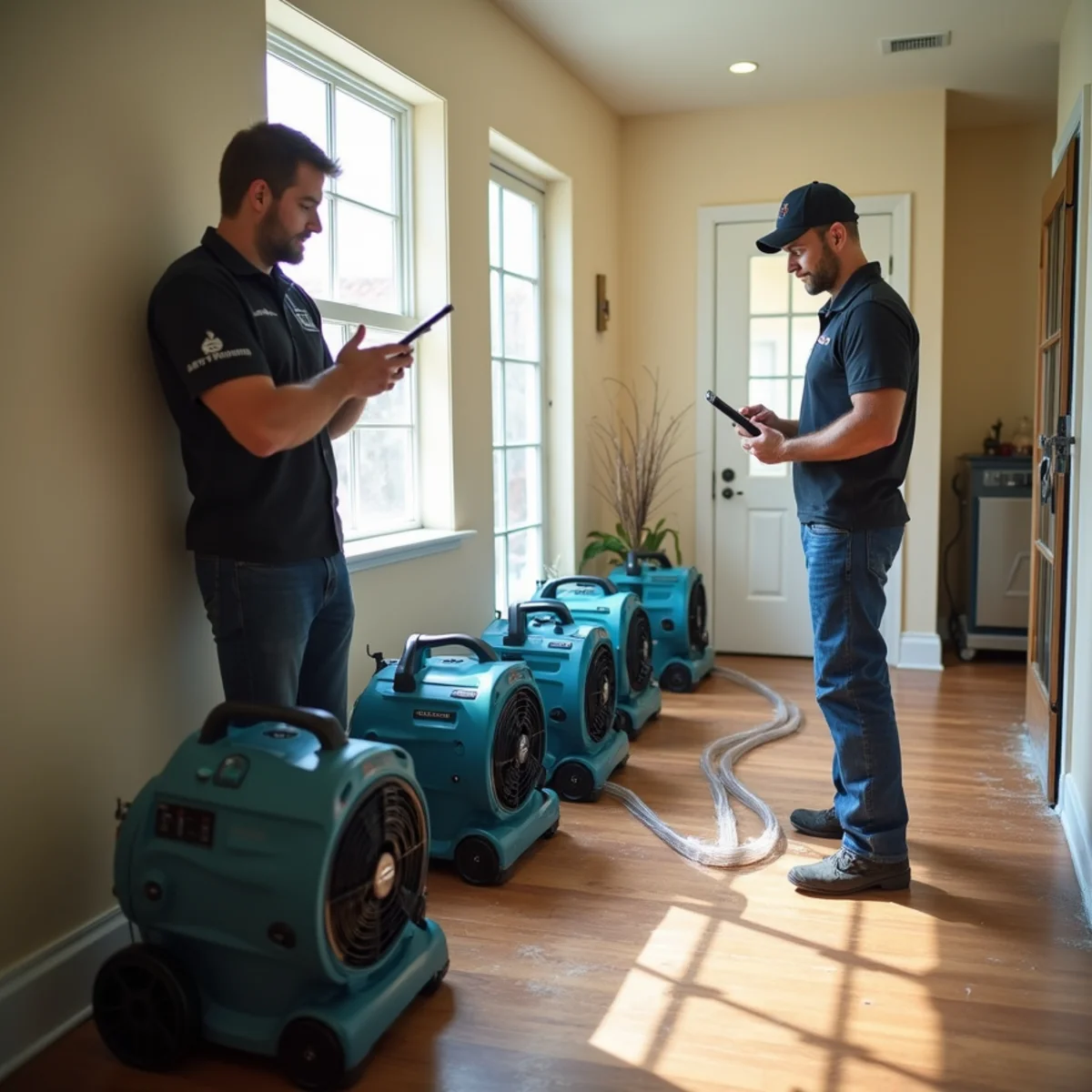
Commercial air movers and dehumidifiers drying a Santa Barbara living room after water damage

Core Restoration Service

Structural Drying & Dehumidification in Santa Barbara, CA

Commercial air movers, LGR dehumidifiers, and daily moisture monitoring until your home reaches a true dry standard — not just dry to the touch.

Getting the water out is half the job. Drying it right is the other half.

A floor that feels dry can still be soaked underneath. Water hides in wall cavities, under flooring, and inside framing — and in Santa Barbara's damp coastal air, it doesn't leave on its own. Structural drying is the science of pulling that hidden moisture out before it becomes mold or rot.

This is where a lot of cheaper, faster jobs go wrong. They extract the visible water, run a couple of box fans, and leave. We stay on it — measuring, adjusting, and documenting — until the numbers say your home is actually dry.

Signs your home wasn't fully dried

If a past leak was 'handled' but you're noticing these, moisture is still in the structure:

  • A musty smell that comes back, especially in humid weather
  • Warped, cupped, or lifting flooring weeks after the leak
  • Staining or bubbling paint on walls or ceilings
  • Baseboards or trim pulling away from the wall
  • Persistent condensation or dampness in a crawl space

What's included

Every structural drying job covers the full scope — one crew, start to finish, no surprise hand-offs:

  • A measurable dry goal set from the unaffected areas of your home
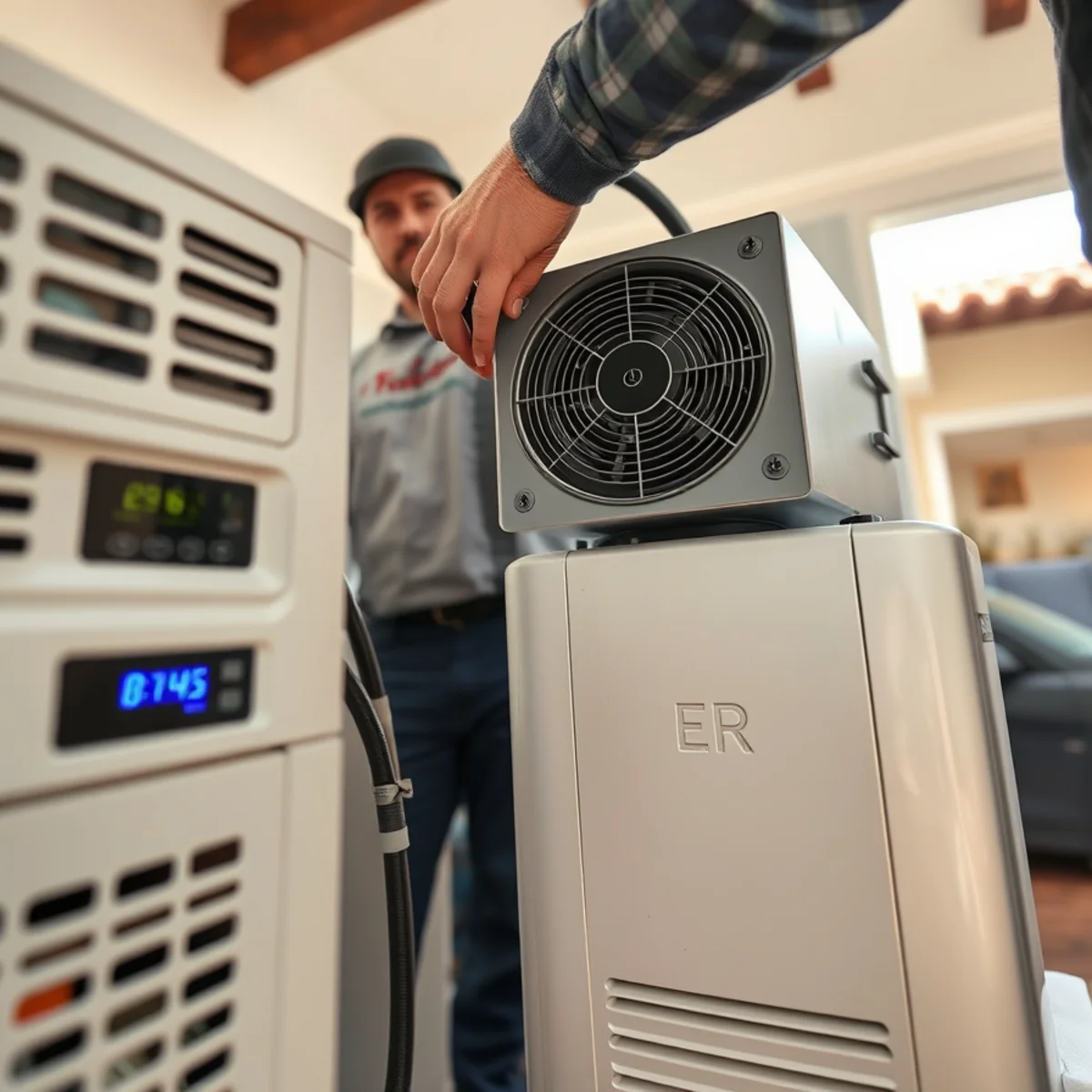
  • Commercial air movers and LGR dehumidifiers placed by calculation, not guesswork
  • Temperature and humidity control tuned for our coastal climate
  • Daily moisture readings and equipment adjustments until materials hit their dry standard
  • HEPA air scrubbing during drying where mold risk or contamination is present
  • Final verification with documented readings before the equipment comes out

Our drying process, step by step

We follow IICRC applied structural drying standards on every job.

  1. 1

    Map the moisture

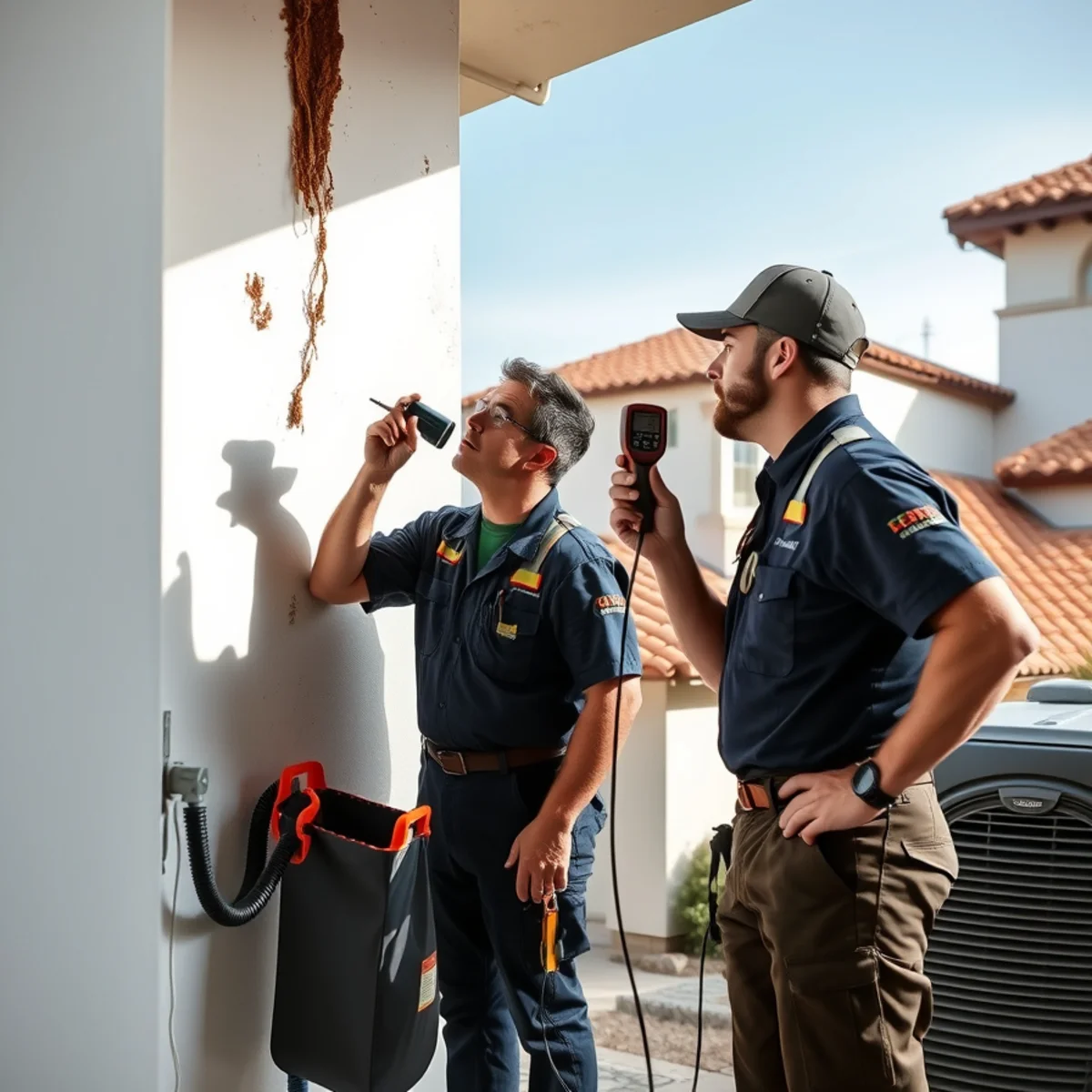
    Using moisture meters and thermal imaging, we map exactly how far the water traveled — behind walls, under floors, into cavities you can't see. We set a measurable dry goal based on unaffected areas.

  2. 2

    Design the drying system

    We place air movers to sweep moisture off surfaces and LGR dehumidifiers to pull it out of the air. Placement is calculated to the affected area, not guessed.

  3. 3

    Control the environment

    In our marine-layer climate, dehumidification is the workhorse. We manage temperature and humidity so evaporation actually happens instead of moisture just moving around.

  4. 4

    Monitor daily

    We return every day, take fresh moisture readings, and adjust equipment. Drying isn't 'set and forget' — the numbers tell us when a room is done and when it needs more time.

  5. 5

    Verify & document

    When materials hit their dry standard, we confirm it with readings and photos for your file, then pull the equipment. If mold had already started, we coordinate mold remediation before closing out.

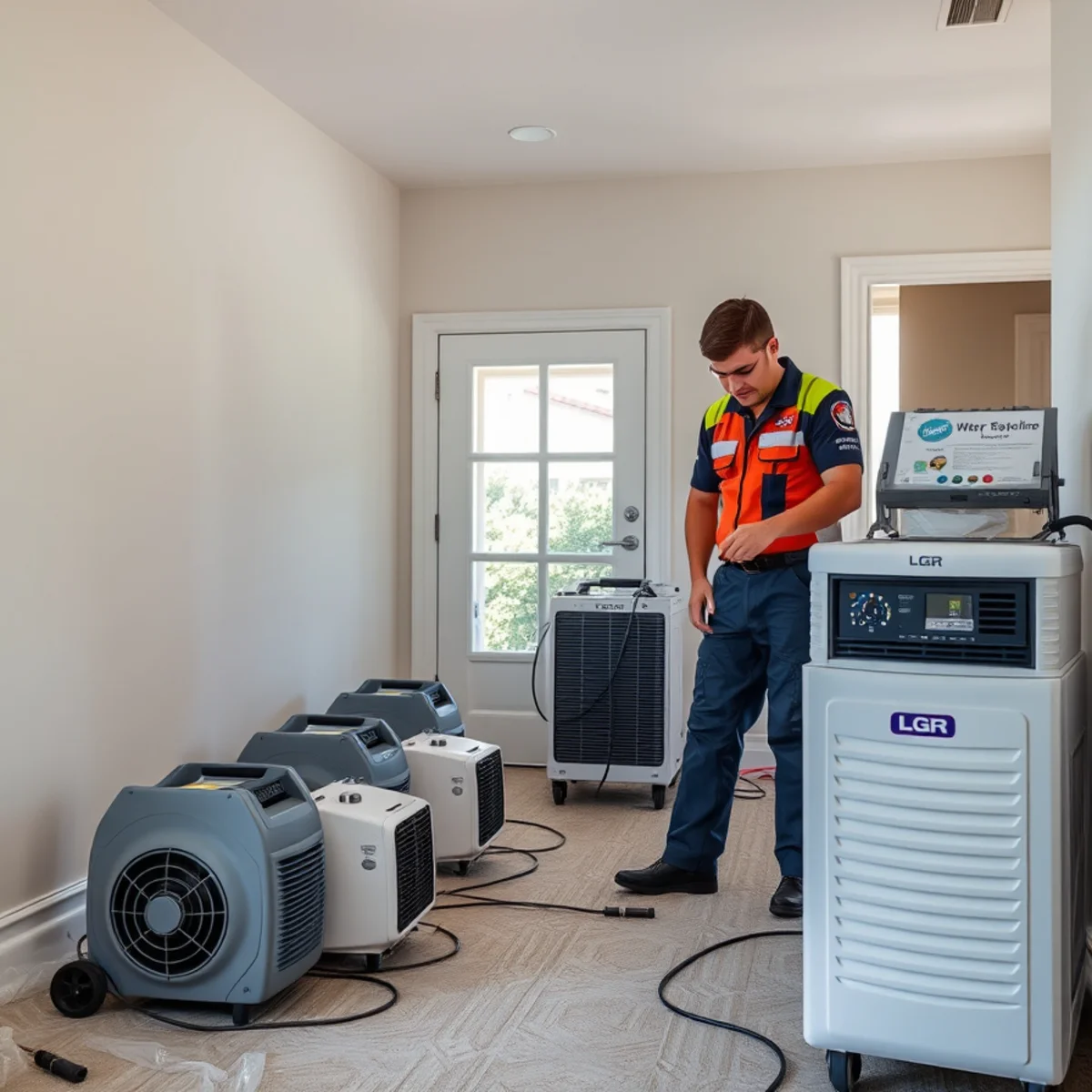
Air movers and an LGR dehumidifier drying a Santa Barbara room

Why drying takes longer on the coast

The same marine layer that makes Santa Barbara beautiful makes drying harder. High ambient humidity slows evaporation, so a job that dries in three days inland can take longer here — especially in beach-adjacent neighborhoods like The Mesa and East Beach. We plan for that with dehumidification capacity, not wishful thinking.

Plaster, lath, and hardwood: dried, not demolished

Older Santa Barbara homes are full of materials that are slow to dry but worth saving. Plaster holds water deep. Original hardwood cups when it's rushed. We use targeted systems and longer monitoring windows so we can dry these in place where possible instead of tearing out irreplaceable finishes.

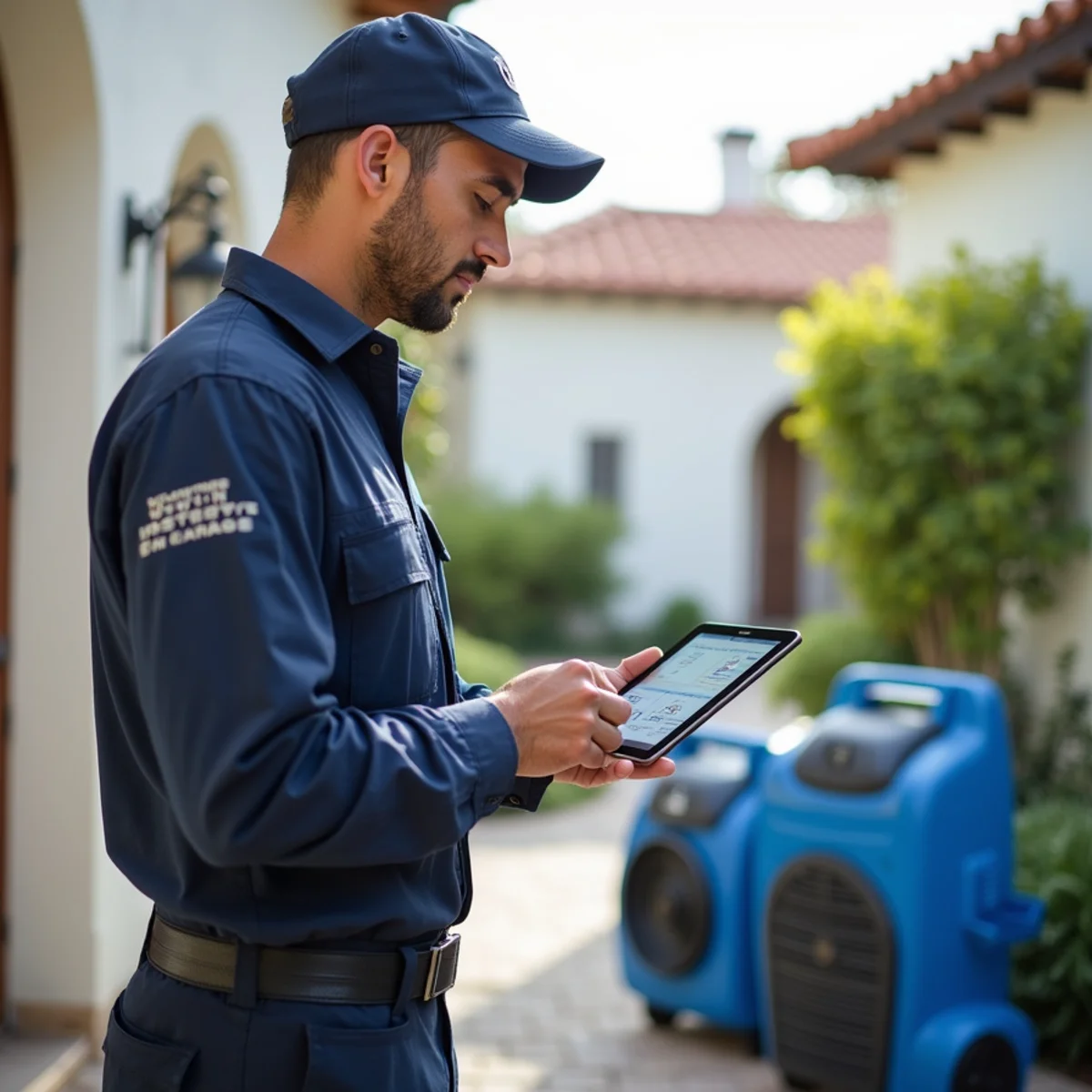
Technician logging daily moisture readings beside drying equipment in a Santa Barbara home

What affects drying cost

We give a free, itemized estimate up front and bill insurance directly. Cost depends on:

  • How much area is wet and how deeply it's saturated (the drying 'class')
  • Materials involved — plaster and hardwood dry slower than drywall and carpet
  • How many days of equipment and monitoring the job needs
  • Ambient humidity and access to the affected cavities
  • Whether mold had already begun and needs containment

Most drying runs several days. We'd rather take the time to dry it right once than have you call back in a month about a musty smell.

Frequently Asked Questions

How long does structural drying take?
Most jobs run three to five days, but it depends on the materials and how saturated they are. Plaster, hardwood, and crawl spaces in our humid coastal climate can take longer. We measure daily and only stop when readings confirm a true dry standard.
Can't I just run my own fans and a household dehumidifier?
Household equipment moves air but can't pull enough moisture out of the structure, and it can actually spread moisture and mold spores. Commercial air movers paired with LGR dehumidifiers, placed by measurement, are what dry a home properly.
How do you know when my home is actually dry?
We set a dry goal from unaffected areas of your home, then take moisture readings every day until the wet materials match it. You get the documentation, not just our word for it.
Why is my house still humid after the water was removed?
Because the water you can't see — soaked into drywall, framing, and subfloor — keeps evaporating into the air. Extraction removes the standing water; dehumidification pulls the rest out of the structure and the air. In Santa Barbara's marine layer, that second step is the one that actually prevents mold.
Will the drying equipment run up my electric bill?
Commercial drying equipment does use power while it runs, typically over three to five days. It's a small, temporary cost compared to the mold remediation and structural repairs that follow an under-dried home. We use only what the job needs and pull it the moment readings confirm the space is dry.

Water damage spreads by the hour — get structural drying started now.

A local Santa Barbara crew can be on the way within the hour. Call for immediate help, or request a free estimate.

  • A real person answers 24/7
  • Crews dispatched in ~30 min
  • IICRC-certified
  • We bill your insurance

(201) 277-9344 — serving Santa Barbara & the Central Coast, day or night.

Why Restore Santa Barbara

Why Santa Barbara trusts us with structural drying

Anyone can rent fans. Drying a Santa Barbara home to a true dry standard — through plaster, hardwood, and marine-layer humidity — takes measurement and patience, and we monitor every job daily until the numbers say it's done.

IICRC-Certified

Trained and certified in water damage restoration, applied structural drying, and mold remediation.

30-Minute Response

A real person answers 24/7 and a local crew is dispatched within 30 minutes across Santa Barbara.

Licensed & Insured

Licensed, bonded, and fully insured — and locally owned, not a national franchise.

We Bill Your Insurance

Thorough documentation and moisture readings, worked directly with your adjuster.

Where We Work

Structural Drying across Santa Barbara & the Central Coast

We provide structural drying & dehumidification throughout the city, the county, and neighboring communities — the same fast local response everywhere. Find your area:

Need structural drying & dehumidification in Santa Barbara?

Call now for 24/7 emergency response, or request a free estimate. A local crew can be on the way within the hour.

(201) 277-9344 · 434 State St, Santa Barbara, CA 93101

Call NowFree Estimate