
Winter Storm Prep Checklist for Coastal California Homes
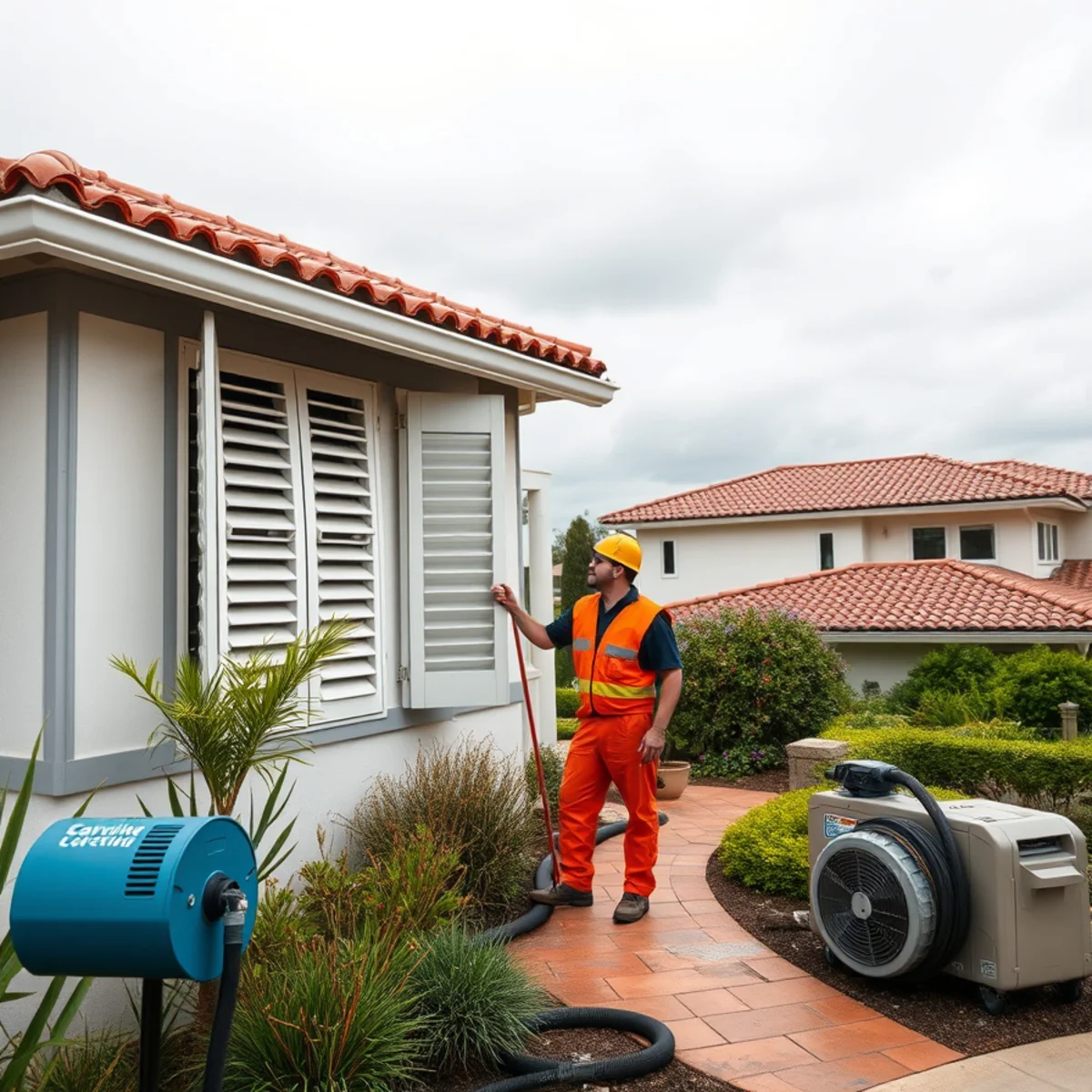
The rain in Santa Barbara does not arrive gently. Most of our roughly 18 inches a year falls between November and March, and much of it comes in a handful of atmospheric river storms that dump inches in a day while a wind off the ocean drives water sideways into places a calm drizzle never reaches.
Homes that shrug off ordinary rain get into trouble in these storms. The ground is already saturated, the gutters are already full, and the one gap in the roof flashing you meant to fix becomes an active leak at 2 a.m. The fix is preparation, done before the first system lines up offshore.
Why coastal storms hit harder than the rain totals suggest
An atmospheric river is a narrow band of tropical moisture that parks over the coast and unloads for hours. When several arrive back to back, soil that would normally absorb runoff is already full, so water sheets across the surface and pools against foundations. Add gusty onshore wind and the rain stops falling straight down. It finds the underside of shingles, the seams around skylights, and the gaps around window frames.
The outside checklist, done before the first storm
- Clear the roof and valleys of leaves, needles, and debris so water runs to the gutters instead of pooling behind a dam of litter.
- Clean every gutter and flush each downspout until water runs freely from the bottom.
- Extend downspouts so they discharge at least four to six feet from the foundation, not right against it.
- Walk the yard and clear storm drains, area drains, and swales of leaves and mulch.
- Trim branches that overhang the roof or lean on power lines.
- Secure or store patio furniture, umbrellas, and anything the wind can throw.
Check the roof and flashing
Most storm leaks start at a detail, not in the middle of a field of shingles. Before the season, look for lifted or missing shingles, cracked flashing around chimneys and skylights, dried-out sealant at roof penetrations, and any daylight visible in the attic. Fix these while the roof is dry. Once water is coming through, a roof leak and water damage crew has to chase the moisture through the attic and ceiling, and the repair is far larger.
Prepare the inside of the house
- Know where your main water shut-off is and confirm it turns freely.
- Test your sump pump if you have one, and keep a spare in the box in case the power fails.
- Move stored boxes off the floor of garages and crawl-space access areas onto shelves or pallets.
- Check that low windows and door thresholds seal, and keep towels or sandbags ready for the ones that seep.
- Photograph valuable rooms and belongings now, so you have a before record if you ever file a claim.
Build a storm kit
- Flashlights and fresh batteries, plus a battery bank for phones.
- A battery or hand-crank radio for weather updates if the power drops.
- A stack of old towels, a wet/dry vacuum, and a few tarps.
- Sandbags for the doors and garage that historically take on water.
- The number of a 24-hour restoration company, saved before you need it.
Expert tip
The most useful thing you can do in ten minutes is find and label your main water shut-off and your electrical panel. In a storm emergency you want to reach both in the dark without thinking, especially if a pipe or a roof lets go while water is already on the floor.
Homes near the water and the bluffs
Low-lying and coastal properties have their own worries. In Carpinteria, flat ground and a high water table mean yard drainage and garage thresholds matter more than roof pitch. Along the bluffs and canyons of Summerland, runoff gathers speed downhill and arrives at the lowest homes carrying mud and debris. Know which direction water travels across your lot, and clear its path before the rain.
After the storm passes
The work is not done when the rain stops. Walk the house and the yard once it is safe. Look for new stains on ceilings and around windows, check the attic for damp insulation, and feel the base of exterior walls and closets on the uphill side of the lot. Water that entered during the storm can keep spreading quietly for days, and catching it now is far cheaper than finding it as mold in a month.
If water gets in anyway
Even a well-prepped house can lose the fight against a big enough storm. If water comes through the roof or under a door, move belongings out of the way, put down towels, and get the source stopped if you safely can. Then call for help. Our storm damage cleanup team extracts standing water and dries the structure, and if flooding is spreading fast our emergency water removal service runs around the clock through the whole rainy season.
Storm preparation is a weekend of work that can save you a five-figure repair. Do the outside checklist before November, keep the kit ready, and know who to call if the water wins. Restore Santa Barbara answers the phone at 2 a.m. during every winter storm. Call (201) 277-9344, and a local, IICRC-certified crew can reach most of the area within about 30 minutes.
Frequently Asked Questions
When should I do my winter storm prep in Santa Barbara?
Why do coastal California storms cause so much water damage?
What is the single most important thing to prepare?
Services in this article
Areas we serve
Keep reading
 Prevention
Smart Water Sensors and Automatic Shut-Off Valves: Are They Worth It?
A leak at 2 a.m. in an empty house is the expensive kind. Smart sensors and automatic shut-off valves close that gap. Here is what they do and how to choose.
 Prevention
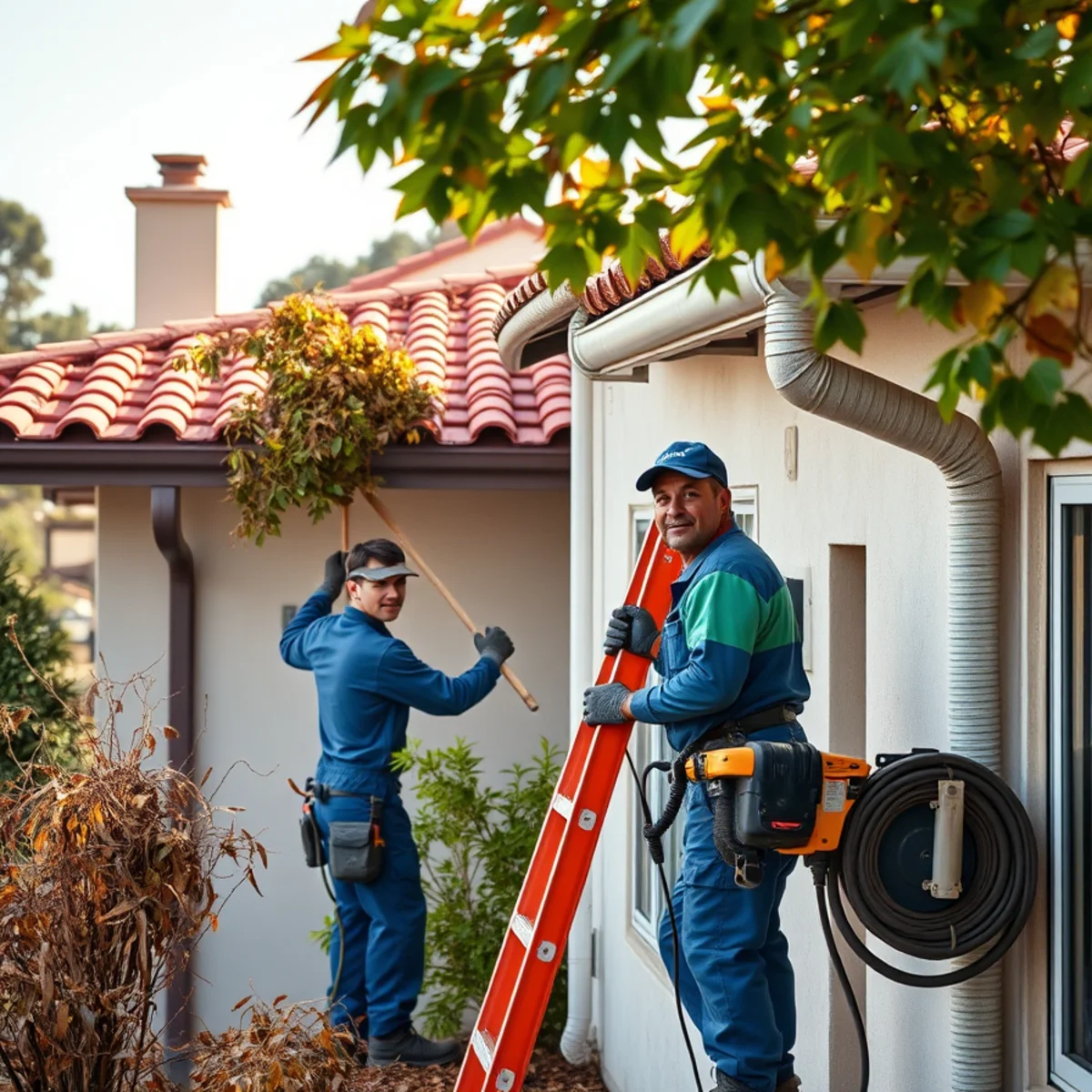
Gutters, Downspouts, and Yard Drainage: A Pre-Rainy-Season Checklist for Hillsides
On a hillside, water runs fast and looks for your foundation. Clear the gutters, push runoff away from the house, and open the drainage paths before the rainy season starts.
 Prevention
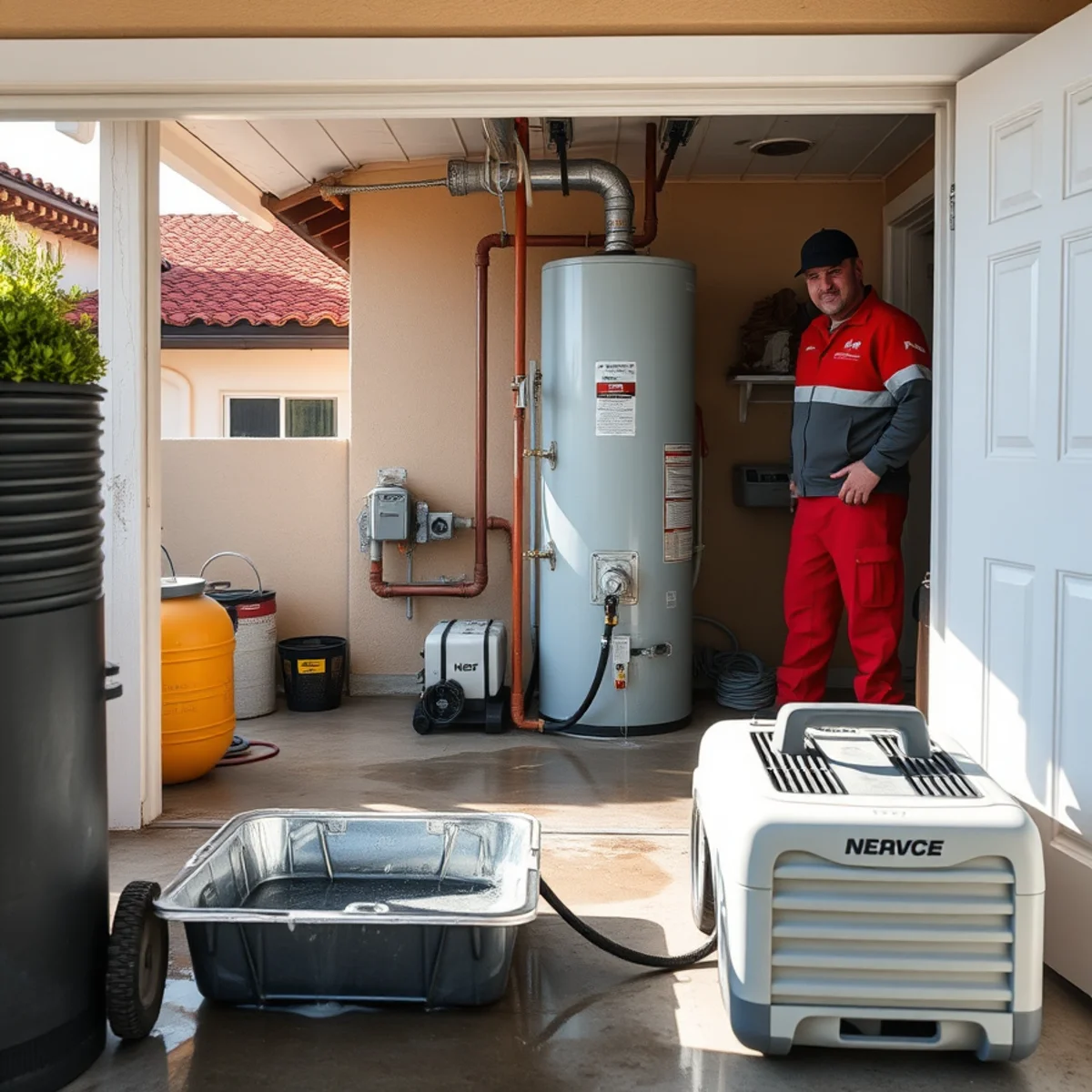
When to Replace Washing Machine Hoses, Water Heaters, and Supply Lines
Washer hoses, water heaters, and supply lines fail on a predictable schedule. Replace them by age instead of waiting for the burst, and skip the flooded room entirely.