
Smart Water Sensors and Automatic Shut-Off Valves: Are They Worth It?
The most expensive water damage rarely happens while you are standing there. It happens at 2 a.m. while the house sleeps, or over a long weekend while you are away, when a supply line lets go and runs unchecked for hours. By the time anyone notices, hundreds of gallons have found the floors, the walls, and the ceiling below.
Smart water sensors and automatic shut-off valves exist to close that gap. They watch for water when you cannot, and the better ones shut the water off on their own. The question is whether they are worth the money. For most homes here, the answer is yes, and here is how to choose.
What these devices actually do
Spot leak sensors
A spot sensor is a small, battery-powered puck you set on the floor where a leak would show up first: under the water heater, behind the toilet, beneath the kitchen sink, next to the washing machine. When its contacts get wet, it sounds an alarm and, if it is a connected model, sends an alert to your phone. They are inexpensive, and you can place a dozen around the house for the cost of one small repair.
Automatic shut-off valves
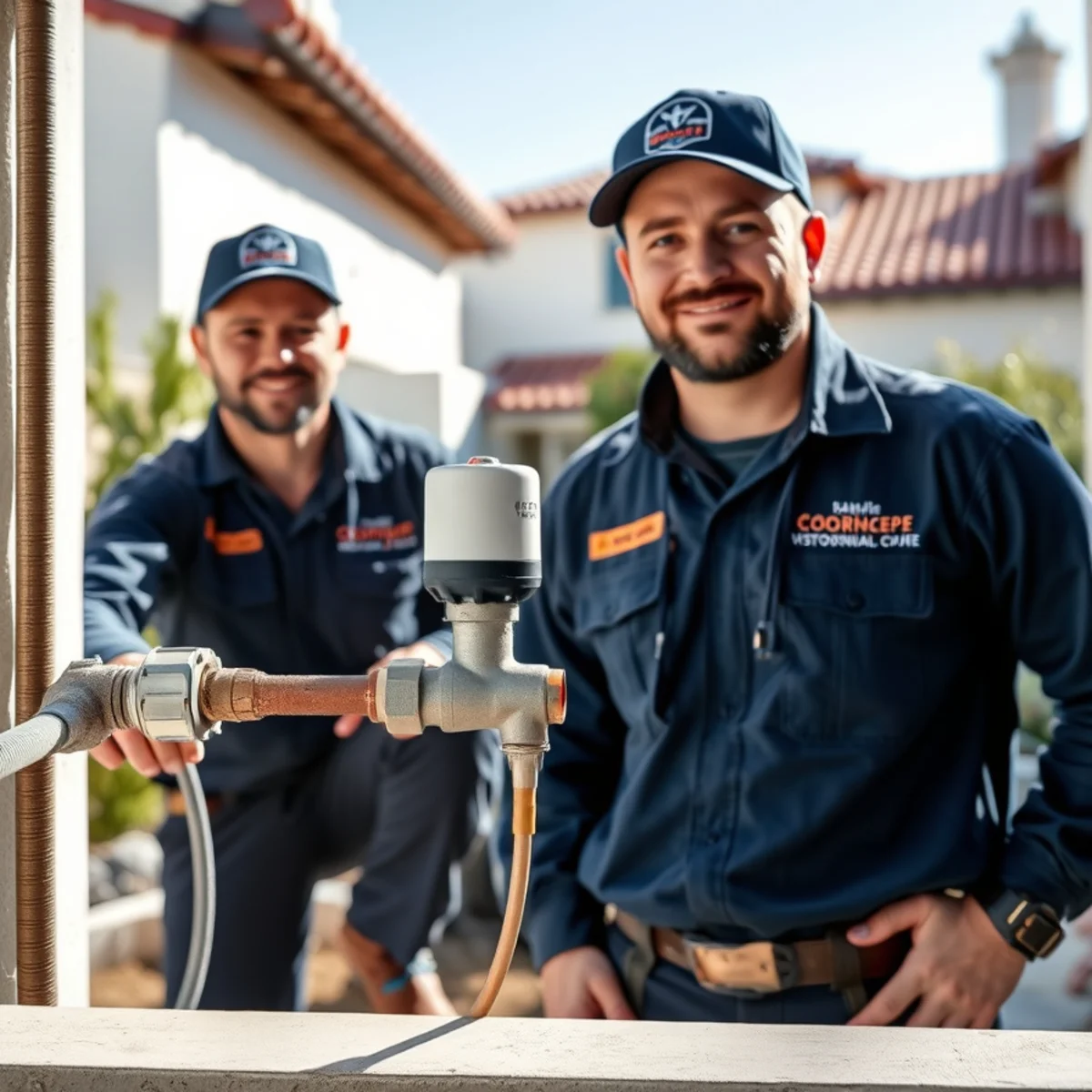
A shut-off valve installs on your main water line and watches how water flows through it. When it sees a pattern that looks like a leak, water running continuously for too long or an unusually high flow, it closes the valve and stops the water to the whole house. Some pair with spot sensors and shut off the instant one gets wet. This is the device that turns a catastrophe into a mop-up.
Are they worth it?
Consider the math. The average water damage insurance claim in California is close to $13,954, and even a moderate restoration runs between about $1,600 and $9,700. A whole-home automatic shut-off valve costs a fraction of a single claim, and a handful of spot sensors costs less than dinner out. More important than the money is the time. In our coastal humidity, mold can start within 24 to 48 hours, so the difference between a valve that shuts off in minutes and a leak that runs all weekend is the difference between drying a floor and rebuilding a wall.
What to look for when buying
- Automatic shut-off, not just alerts. An alarm does nothing if no one is home to hear it. A valve that closes on its own is the feature that actually prevents damage.
- Local alarm plus phone notification, so you are warned whether you are in the next room or out of town.
- A battery backup or low-battery warning, so a dead cell does not leave you unprotected.
- For spot sensors, a long battery life and a loud local alarm.
- For a shut-off valve, professional installation on the main line by a licensed plumber unless you are confident with plumbing.
Where to place spot sensors
Put sensors where water appears first and where a slow leak would otherwise hide for weeks.
- Under and behind the water heater, in the drip pan if there is one.
- Behind or beneath the washing machine.
- In the vanity cabinet under each bathroom sink and under the kitchen sink.
- Behind each toilet, at the base.
- Near the dishwasher and the refrigerator's ice-maker line.
- In any finished basement, crawl-space access, or low spot where water would collect.
Expert tip
If you buy only one device, make it a whole-home automatic shut-off valve. Sensors tell you about a leak; a shut-off valve ends it. The homes that avoid the worst damage are the ones where the water stopped on its own before anyone woke up.
What these devices cannot do
A sensor is not a dryer. It catches the leak early, which is the hard part, but once water is on the floor it still has to come out and the structure still has to dry. If your valve shuts off after a burst line has already released water, or a sensor catches a leak that ran longer than you hoped, the material is wet and the clock is running. That is when you call our burst pipe cleanup crew to handle the failed line and our emergency water removal service to extract what spilled. For a leak you suspect but cannot locate, our leak detection service finds the source with moisture meters and thermal imaging.
A smart layer, not a substitute for maintenance
These devices are a strong second line of defense, and homeowners across quieter residential pockets like Oak Park and Hidden Valley install them precisely because a leak in an empty house is the worst kind. They do not replace aging hoses or maintain your water heater, though. Use them alongside good habits, not instead of them.
For the price, smart sensors and an automatic shut-off valve are among the best water-damage investments a homeowner can make. Install the valve, scatter the sensors where water hides, and keep up your maintenance. If a leak still gets past them, Restore Santa Barbara is locally owned, IICRC-certified, and answers the phone around the clock. Call (201) 277-9344, and a crew can be there within about 30 minutes.
Frequently Asked Questions
Are automatic water shut-off valves worth the cost?
What is the difference between a leak sensor and a shut-off valve?
Where should I put water leak sensors?
Services in this article
Areas we serve
Keep reading
 Prevention
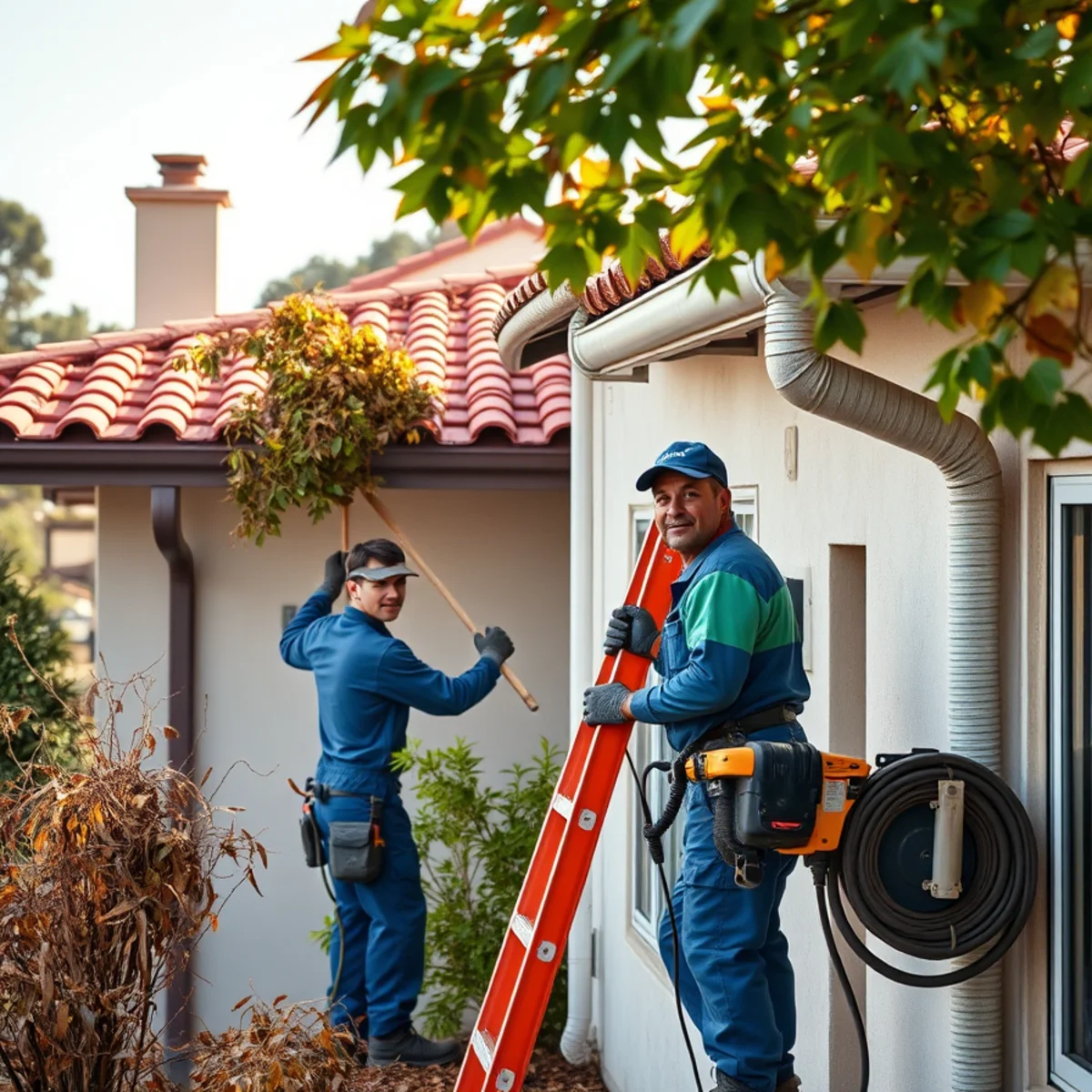
Gutters, Downspouts, and Yard Drainage: A Pre-Rainy-Season Checklist for Hillsides
On a hillside, water runs fast and looks for your foundation. Clear the gutters, push runoff away from the house, and open the drainage paths before the rainy season starts.
 Prevention
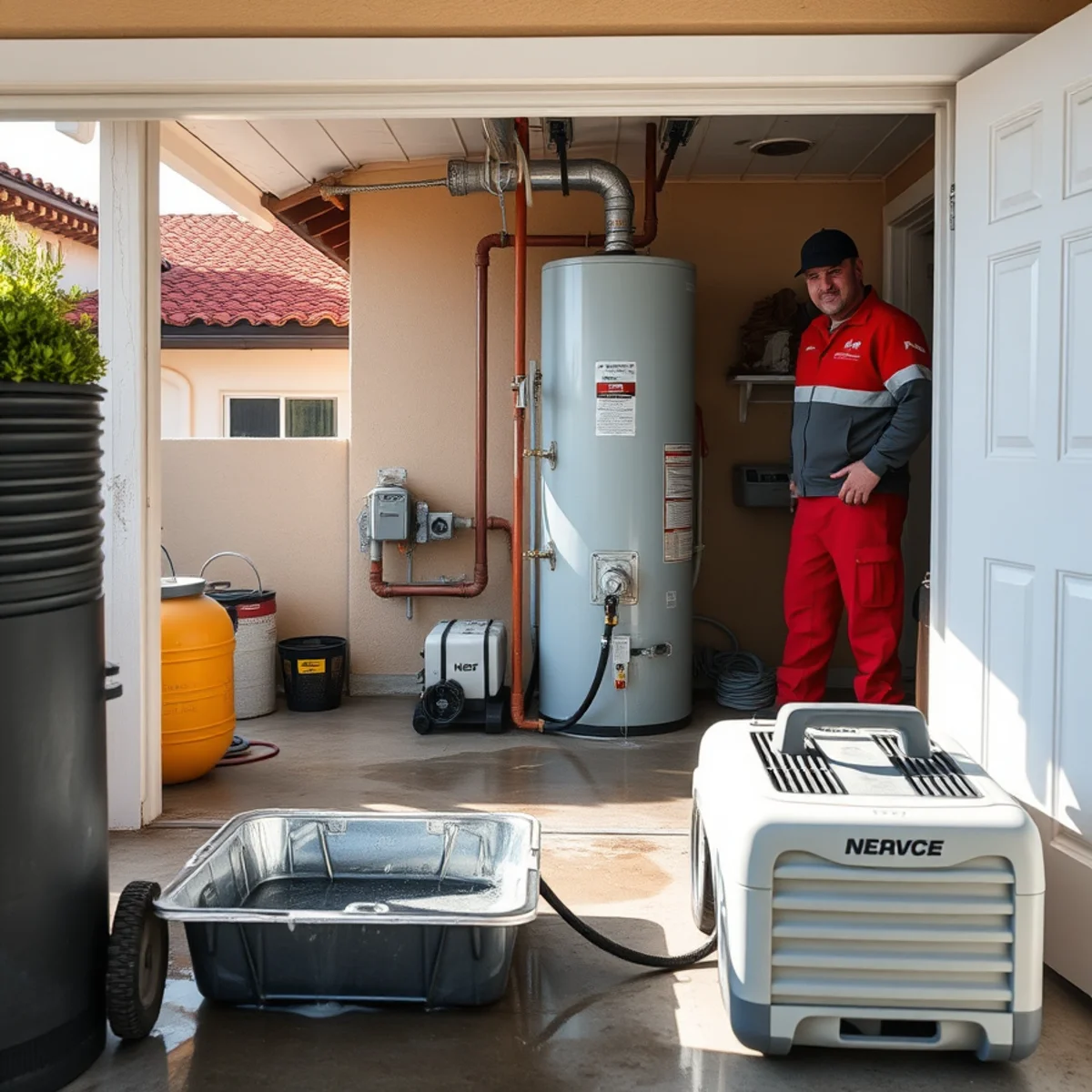
When to Replace Washing Machine Hoses, Water Heaters, and Supply Lines
Washer hoses, water heaters, and supply lines fail on a predictable schedule. Replace them by age instead of waiting for the burst, and skip the flooded room entirely.
 Prevention
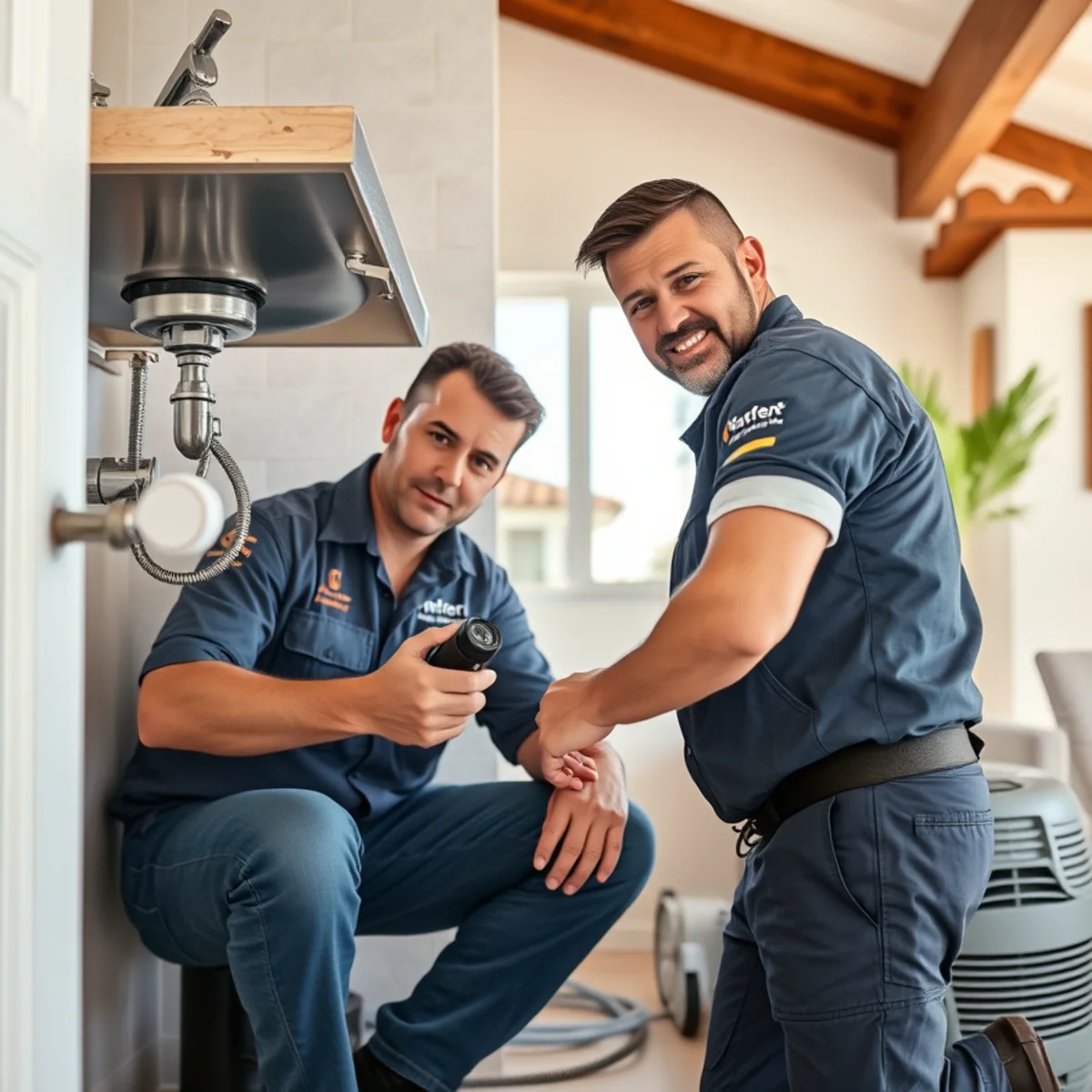
The 10-Minute Monthly Leak Inspection: Everywhere Water Hides
Most water damage starts as a drip you never saw. A deliberate ten-minute walk once a month catches small leaks while they are still cheap to fix. Here is the room-by-room routine.