
When to Replace Washing Machine Hoses, Water Heaters, and Supply Lines
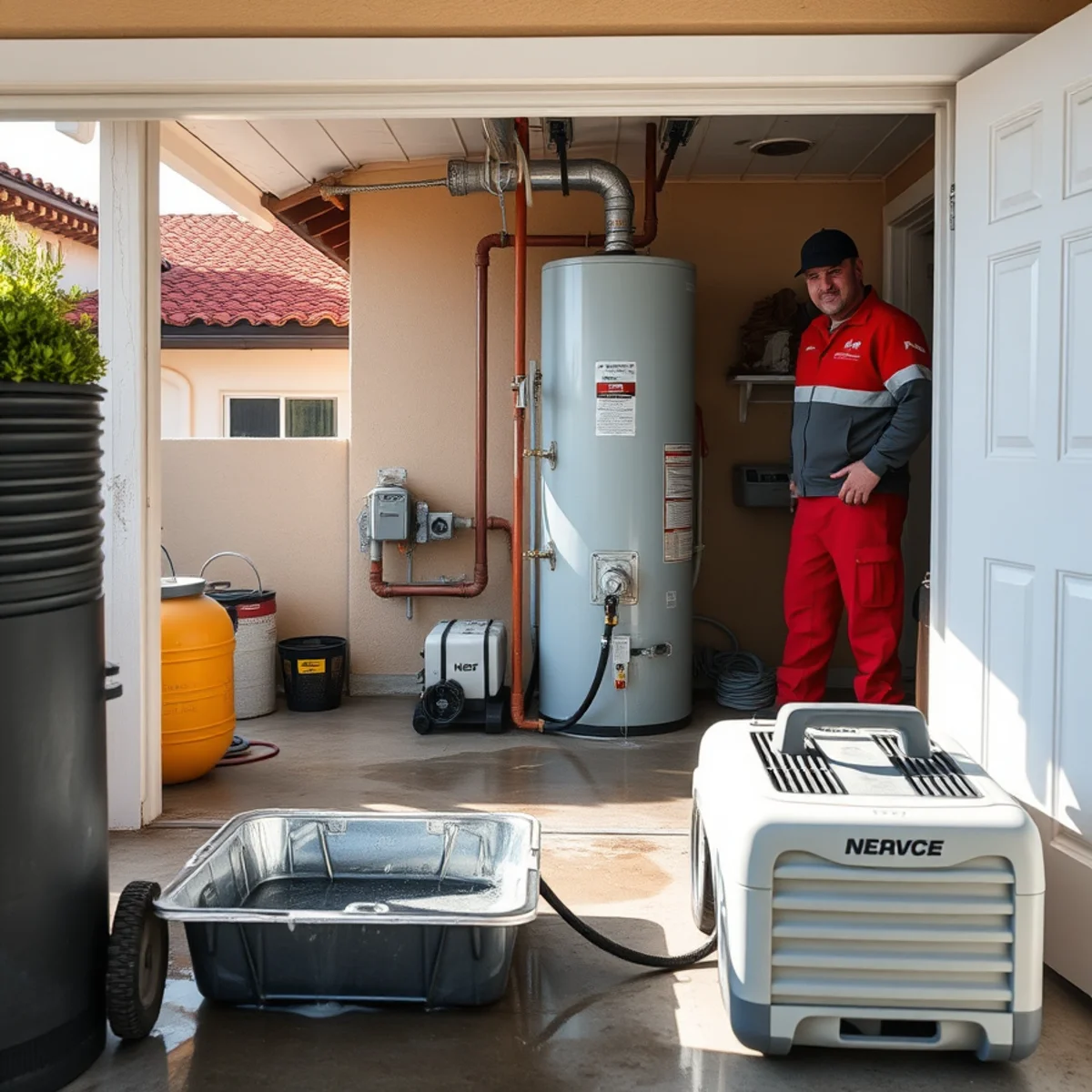
Some plumbing failures are bad luck. Most are not. Washing machine hoses, water heaters, and the braided supply lines under your sinks all wear out on a predictable timeline, and when they let go they do it under pressure. A burst washer hose can push several gallons a minute onto the floor until someone shuts the main valve.
The good news is that these are the cheapest repairs in the house to make on your own schedule. Replace them by age, before they fail, and you skip the flooded laundry room entirely.
Why plumbing fails on a timeline, not by luck
Rubber hardens and cracks. Steel tanks corrode from the inside as sediment collects and the protective anode wears away. Braided connectors look bulletproof, but the rubber core inside the mesh still ages. None of this is visible from the outside until the day it fails, so the smart move is to track age and replace on a schedule rather than wait for a leak.
Washing machine hoses: replace every five years
Washer hoses are the most common burst line we see, and they fail at the worst time, when the machine is running and the house is empty or asleep. Standard black rubber hoses should be replaced about every five years. When you replace them, upgrade to braided stainless steel hoses, which resist bursting far better than plain rubber.
- Turn off the hot and cold valves behind the machine.
- Unplug the machine and pull it out far enough to reach the connections.
- Have a towel and bucket ready, then unscrew the old hoses from the wall and the machine.
- Hand-tighten the new braided hoses, then snug them about a quarter turn more with pliers. Do not overtighten.
- Turn the valves back on and watch the connections for a full minute before pushing the machine back into place.
If you leave home for more than a day or two, shut those valves off. It takes five seconds and removes the risk entirely.
Water heaters: plan for 8 to 12 years
A standard tank water heater lasts roughly 8 to 12 years. Past that, the tank itself can rust through and release its entire contents at once. If you do not know how old yours is, check the rating plate on the side. Most manufacturers stamp the build date there, and many encode it in the serial number, so you can find out in a minute.
- Check the drip pan and the floor around the base for rust or moisture every month.
- If you see rusty water, hear rumbling, or find damp at the base, start planning a replacement now, not after it fails.
- Consider replacing it proactively once it passes the ten-year mark, especially if it sits where a leak would reach finished floors.
When a tank does fail, the cleanup is urgent because the volume is large. Our water heater leak cleanup crew handles these calls across the area, and if the tank has already emptied across a floor our water extraction team pulls the standing water out before it wicks into walls and cabinets.
Braided supply lines and angle stops
The small braided lines feeding faucets, toilets, and the dishwasher have a life too, usually about five to eight years. The shut-off valves they connect to, called angle stops, can seize or leak with age. Replace the supply lines on that schedule, and if an angle stop will not turn or weeps around the stem, replace it as well.
Older Santa Barbara homes and galvanized lines
Many homes on the Westside and in the older parts of Goleta still carry original galvanized steel supply piping from the 1920s through the 1950s. Galvanized lines corrode from the inside, narrowing and weakening until a pinhole opens inside a wall. If your home still has galvanized supply lines, budget to replace them with copper or PEX, and in the meantime have any weeping fitting checked promptly. Our leak detection service can find a corroding line before it opens up and floods a wall cavity.
Expert tip
Write the replacement date on the item with a paint pen or a label. A date on the water heater and a date on the washer hoses turns a guessing game into a simple calendar. When the date is five years back on the hoses or ten on the heater, you replace it on a dry Saturday instead of a flooded weeknight.
Track the age of your hoses, heater, and supply lines, and replace them before they fail. It is a few dollars in parts against thousands in water damage. If one lets go before you get to it, Restore Santa Barbara is locally owned, IICRC-certified, and answers around the clock. Call (201) 277-9344, and a local crew can reach you within about 30 minutes to extract the water and dry the room.
Frequently Asked Questions
How often should I replace washing machine hoses?
How long does a water heater last?
Do older Santa Barbara homes need their supply lines replaced?
Services in this article
Keep reading
 Prevention
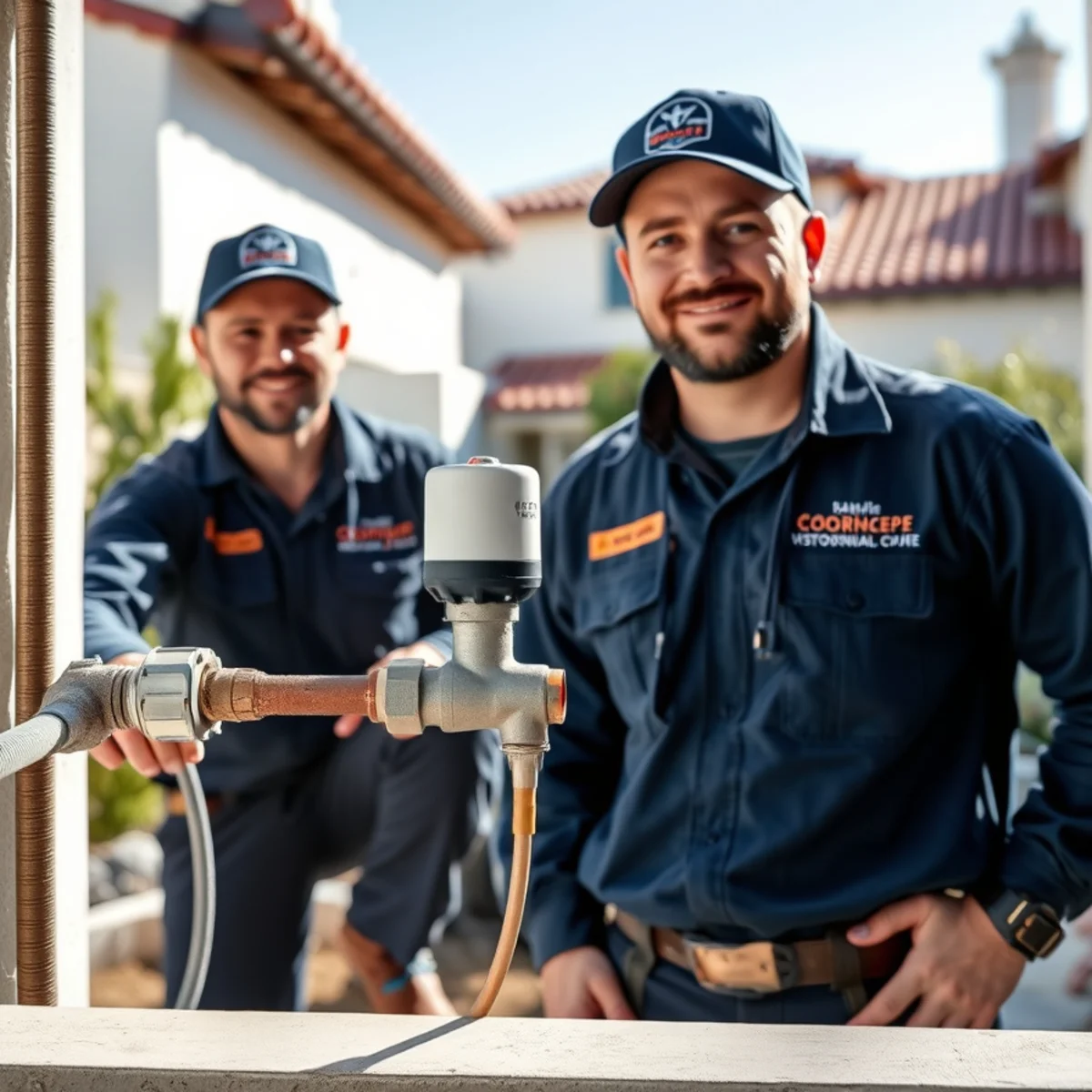
Smart Water Sensors and Automatic Shut-Off Valves: Are They Worth It?
A leak at 2 a.m. in an empty house is the expensive kind. Smart sensors and automatic shut-off valves close that gap. Here is what they do and how to choose.
 Prevention
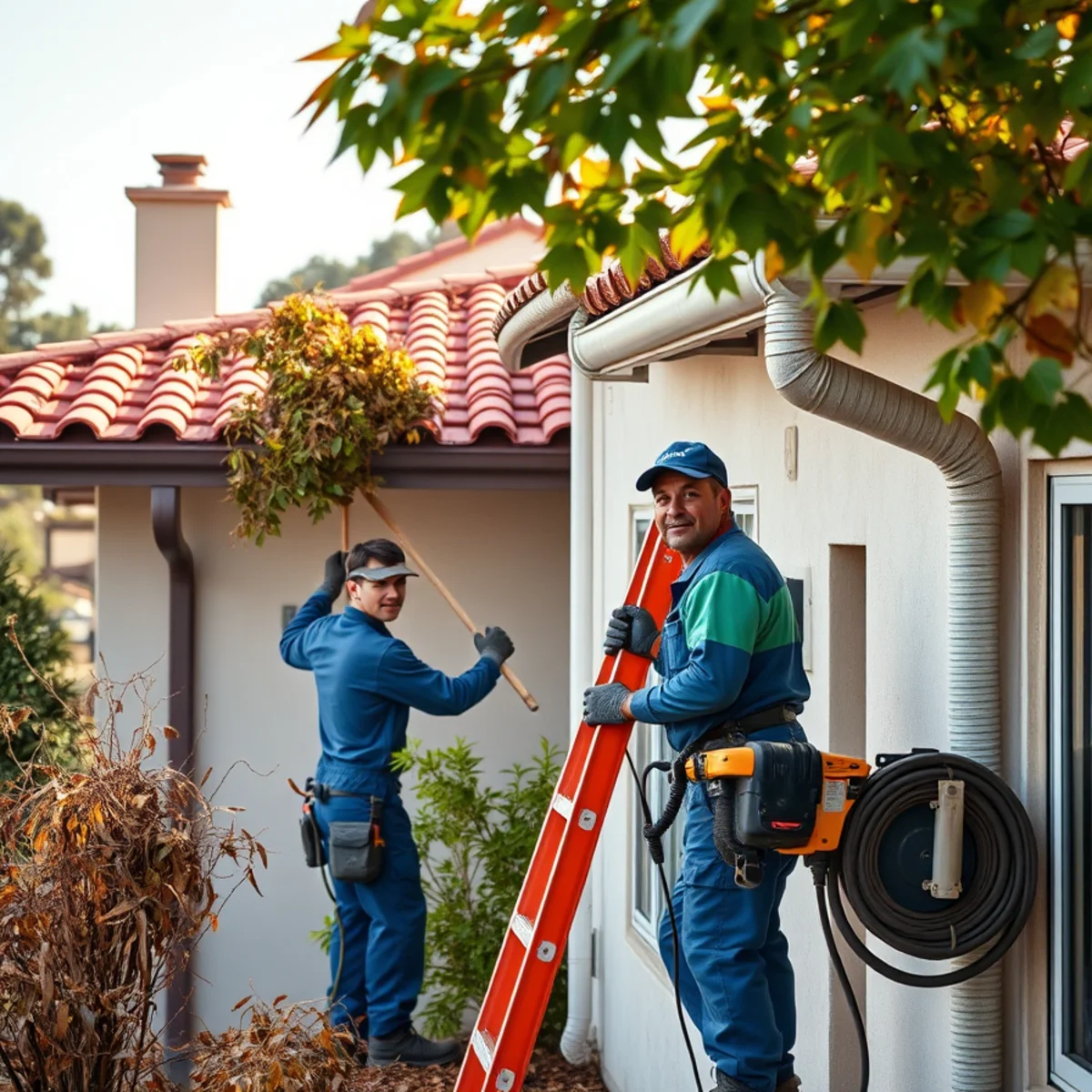
Gutters, Downspouts, and Yard Drainage: A Pre-Rainy-Season Checklist for Hillsides
On a hillside, water runs fast and looks for your foundation. Clear the gutters, push runoff away from the house, and open the drainage paths before the rainy season starts.
 Prevention
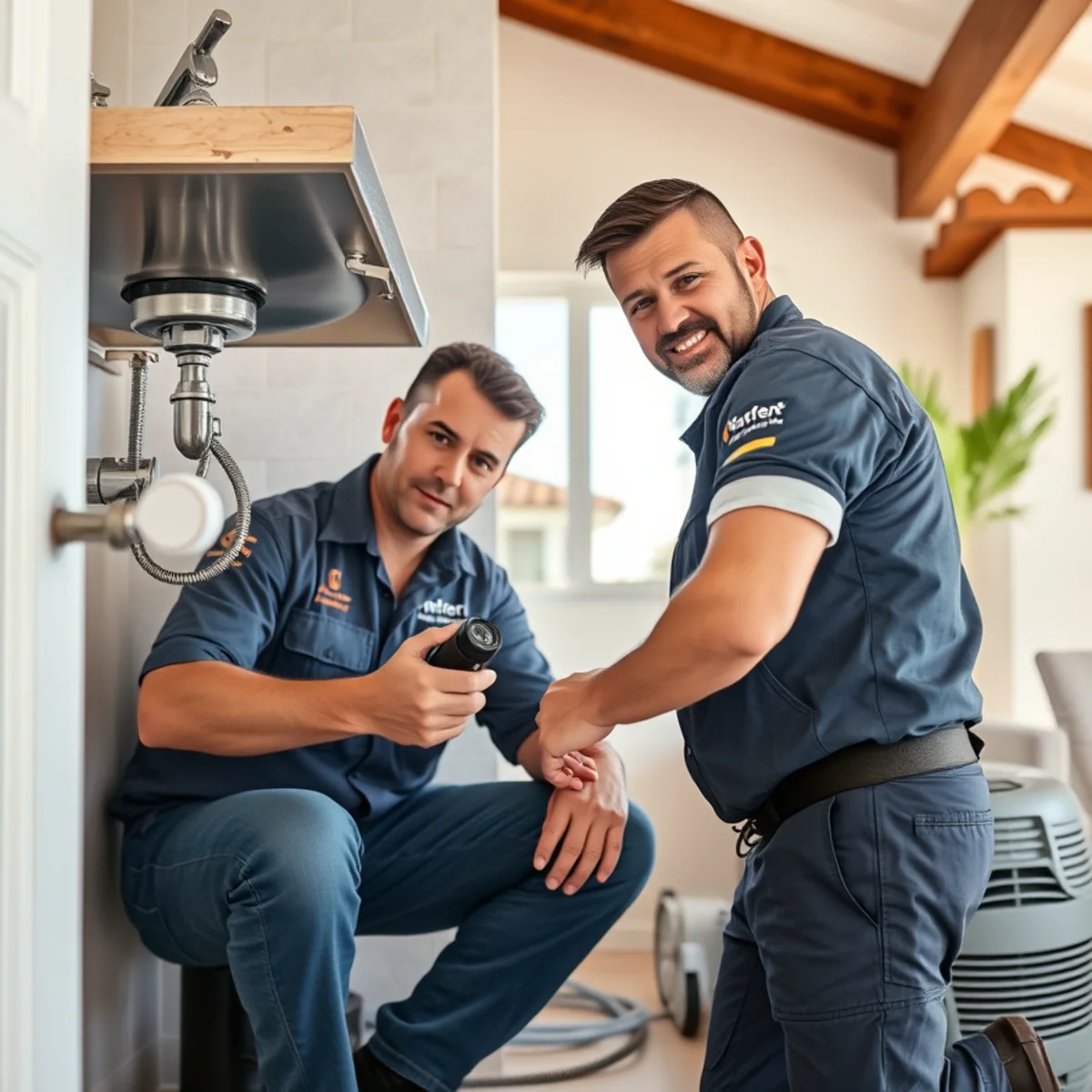
The 10-Minute Monthly Leak Inspection: Everywhere Water Hides
Most water damage starts as a drip you never saw. A deliberate ten-minute walk once a month catches small leaks while they are still cheap to fix. Here is the room-by-room routine.