
How to Document Water Damage for an Insurance Claim

A water damage claim is often won or lost in the first hour, on your phone camera. Adjusters pay on evidence, not memory. The homeowner who documents everything gets a smoother claim and a bigger check. The one who cleans up first and photographs later leaves money on the table.
Here is how to document a water loss the way adjusters expect, step by step.
Why documentation decides your payout
Your insurer was not there when the pipe burst. Everything they know about your loss, they learn from what you show them. Gaps in that record become gaps in your payment. Worse, if you throw out a ruined rug or rip up carpet before it is photographed, the adjuster may simply not count it.
There is a second reason to document fast. Policies require you to mitigate, to prevent further damage. Proving you acted quickly protects your claim from a partial denial. The record does double duty: it shows what was lost and that you did the right thing.
Step one: capture everything before you touch it
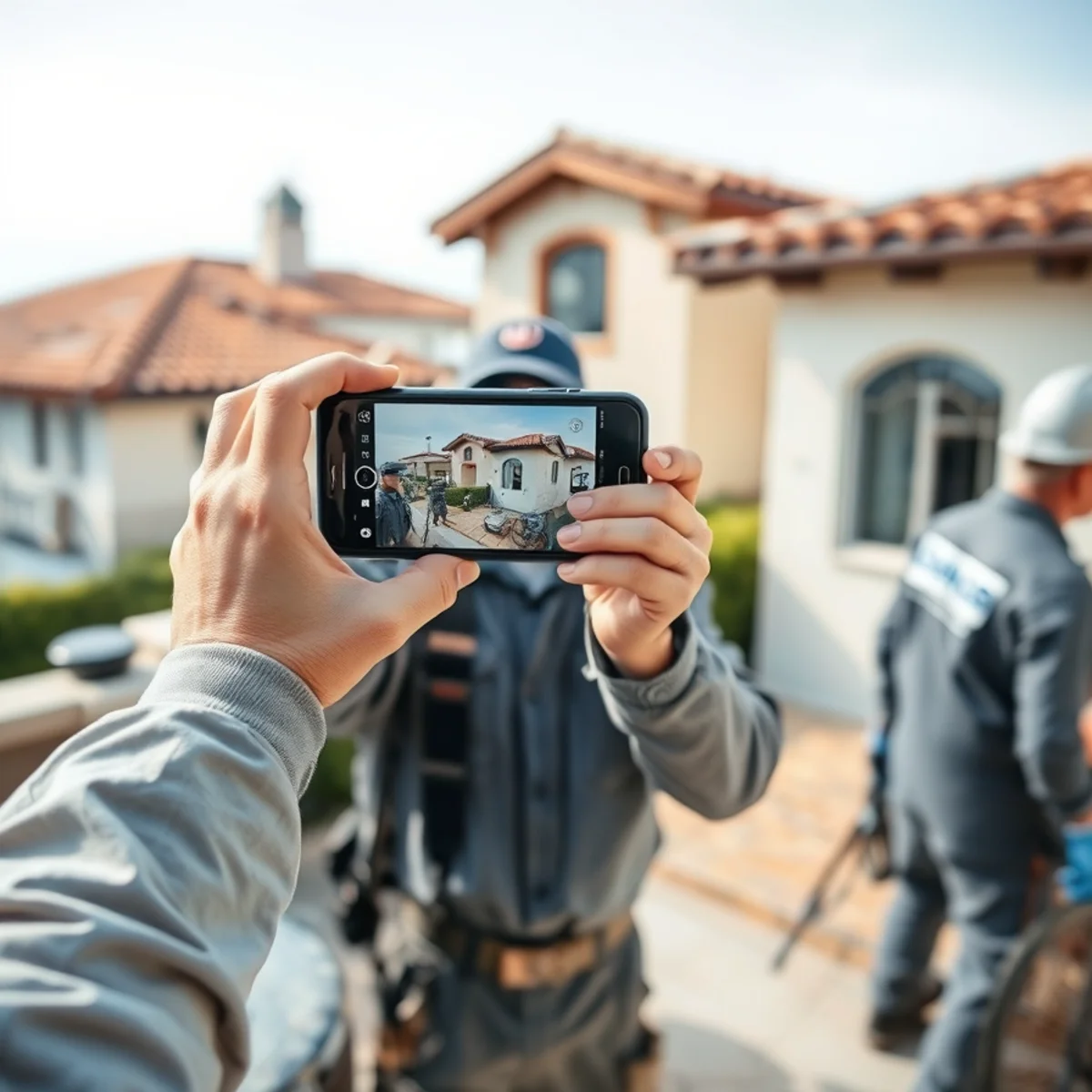
Before you move a single item, photograph and film the scene.
- Take wide shots of each affected room showing the full extent of standing water.
- Take close-ups of damaged items, materials, and the water source itself.
- Shoot video while narrating what happened and when you found it.
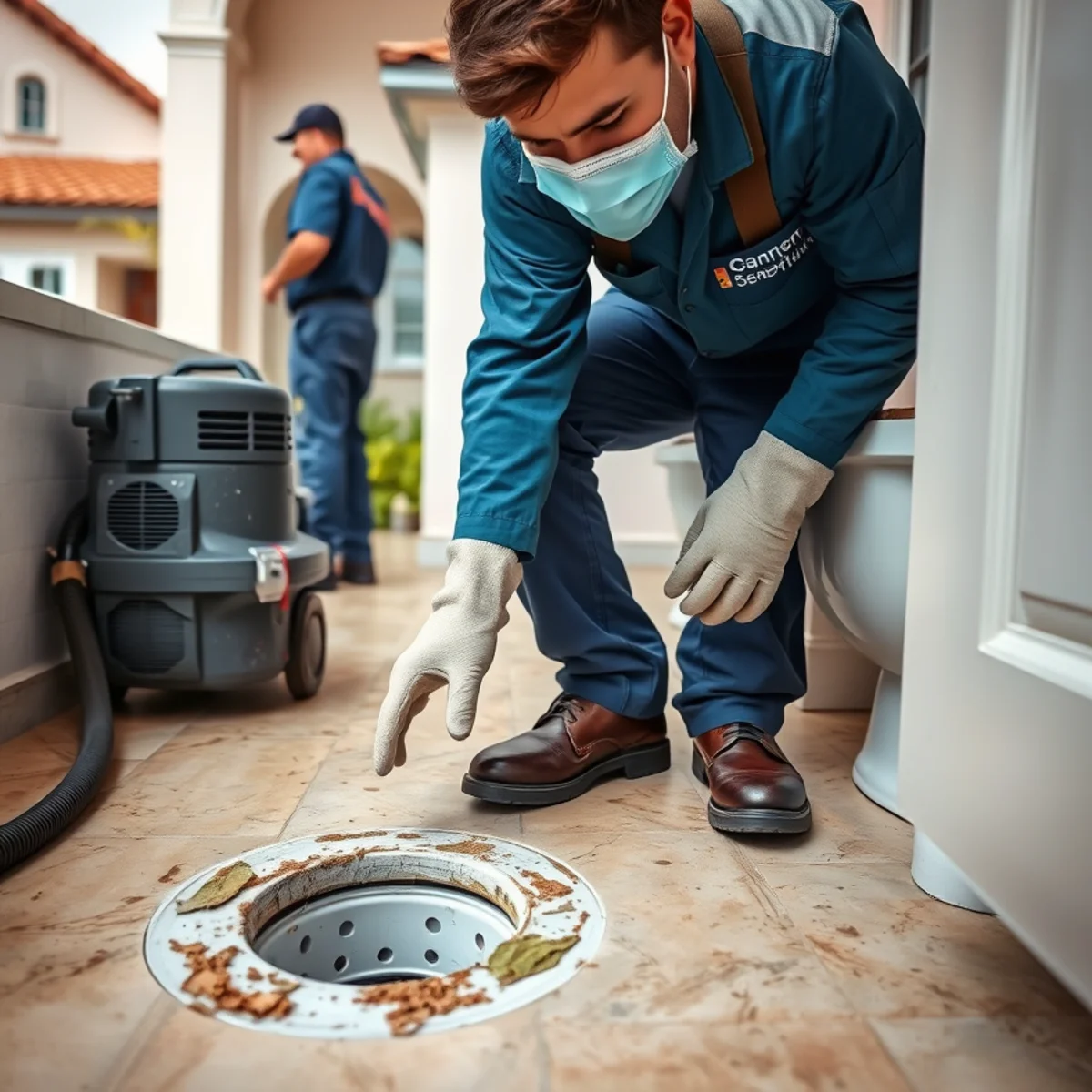
- Capture the source, the burst line, the failed water heater, or the backed-up drain, before anyone repairs it.
- Photograph a tape measure or ruler against the waterline to record depth.
Timestamped photos are gold. Most phones embed the date automatically; leave that on. If water is still rising, get what shots you safely can, then shut off the main valve.
Step two: build a contents inventory
Structure is only half the claim. The contents, furniture, electronics, clothing, and flooring, often add up to more.
- List each damaged item with a short description, brand, and rough age.
- Note original cost and, where you have it, proof of purchase or a photo of the item in use before the loss.
- Group items by room to match your photos.
- Do not throw anything out until the adjuster approves it. Move ruined items to a garage or driveway, but keep them.
For a business, this step is bigger and more urgent. Lost inventory, equipment, and downtime all belong in the record. If a commercial water damage loss hits a storefront on Carpinteria Avenue or an office in the Upper East, documenting business-interruption losses alongside the physical damage is what makes the claim whole.
Step three: log the mitigation
From the moment you start cleaning up, keep a paper trail.
- Save every receipt: fans, a wet vac, tarps, a hotel stay if the home is unlivable.
- Keep the restoration company's scope, moisture readings, and drying logs.
- Photograph moisture meter readings and equipment in place.
- Write down dates and times for each step, from discovery to extraction to drying.
Professional drying logs carry real weight with adjusters because they are objective. Daily moisture readings that trend down prove the structure was dried properly, not just surface-wiped. That record often settles disputes before they start.
Step four: work directly with your adjuster
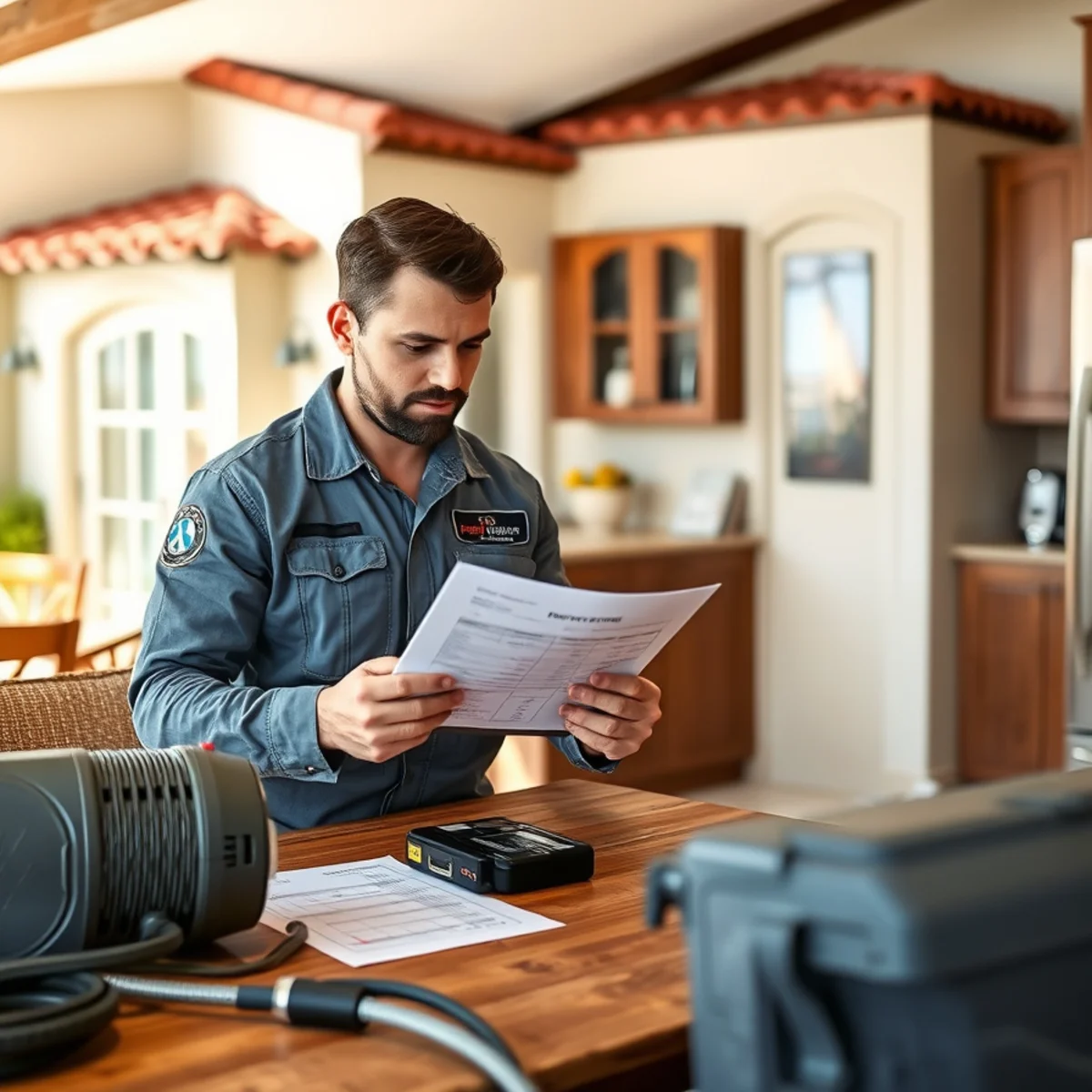
When the adjuster visits, walk them through your evidence in order. Hand over photos, the inventory, and the mitigation log. Be factual, not emotional. Point out hidden moisture behind baseboards and under flooring, damage they might miss without a meter.
You are allowed to disagree. If the adjuster's estimate seems low, your restoration company's detailed scope gives you a professional basis to push back. We routinely walk adjusters through what we found and why it matters, and we work directly with your adjuster to line up the scope and the payment.
Where a restoration partner strengthens the claim
Speed and documentation go together. The faster you extract, the less secondary damage, and the cleaner your evidence trail.
Our crews start with emergency water removal to stop the loss from spreading, then move to full water extraction with truck-mounted units, metering the structure as we go. Every reading, every photo, every piece of equipment gets logged. That documentation becomes part of your claim file. We serve homeowners and businesses from Carpinteria to the Upper East, and we build the record with your adjuster in mind from the first hour.
Confirm requirements with your insurer
Every policy sets its own notice deadlines, documentation standards, and mitigation duties. This guide reflects common practice, not your specific contract. Read your policy and call your insurer early to confirm exactly what they require and by when.
The takeaway
Document before you clean. Photograph everything, inventory the contents, log every dollar and every moisture reading, and hand your adjuster an organized file. Good documentation is the single biggest thing a homeowner controls in a water damage claim.
Need help doing it right while the water is still on the floor? Call us at (201) 277-9344. A live person answers day or night, we dispatch within 30 minutes, and we document the loss the way adjusters expect, so your claim holds up.
Frequently Asked Questions
How do I document water damage for an insurance claim?
Should I clean up water damage before the adjuster arrives?
What if I already threw damaged items away?
Do professional drying logs help my claim?
Services in this article
Areas we serve
Keep reading
 Cost & Insurance
Sewage Backup Cleanup Costs — and Whether Insurance Will Pay
Sewage backups are the costliest water losses to clean up, and insurance usually pays only with a backup endorsement most homeowners forget to buy.
 Cost & Insurance
Flood Insurance vs. Homeowners Insurance: Why Storm Flooding Isn't Covered
Storm flooding is excluded from every standard homeowners policy. Here is why, how flood insurance differs, and who on the South Coast should carry it.
 Cost & Insurance
What Drives Mold Remediation Costs Up (or Down) on the Central Coast
Mold remediation costs swing widely on the Central Coast. Learn what pushes the price up, what keeps it down, and why the marine layer makes speed everything.