
What to Do in the First 24 Hours After Water Damage
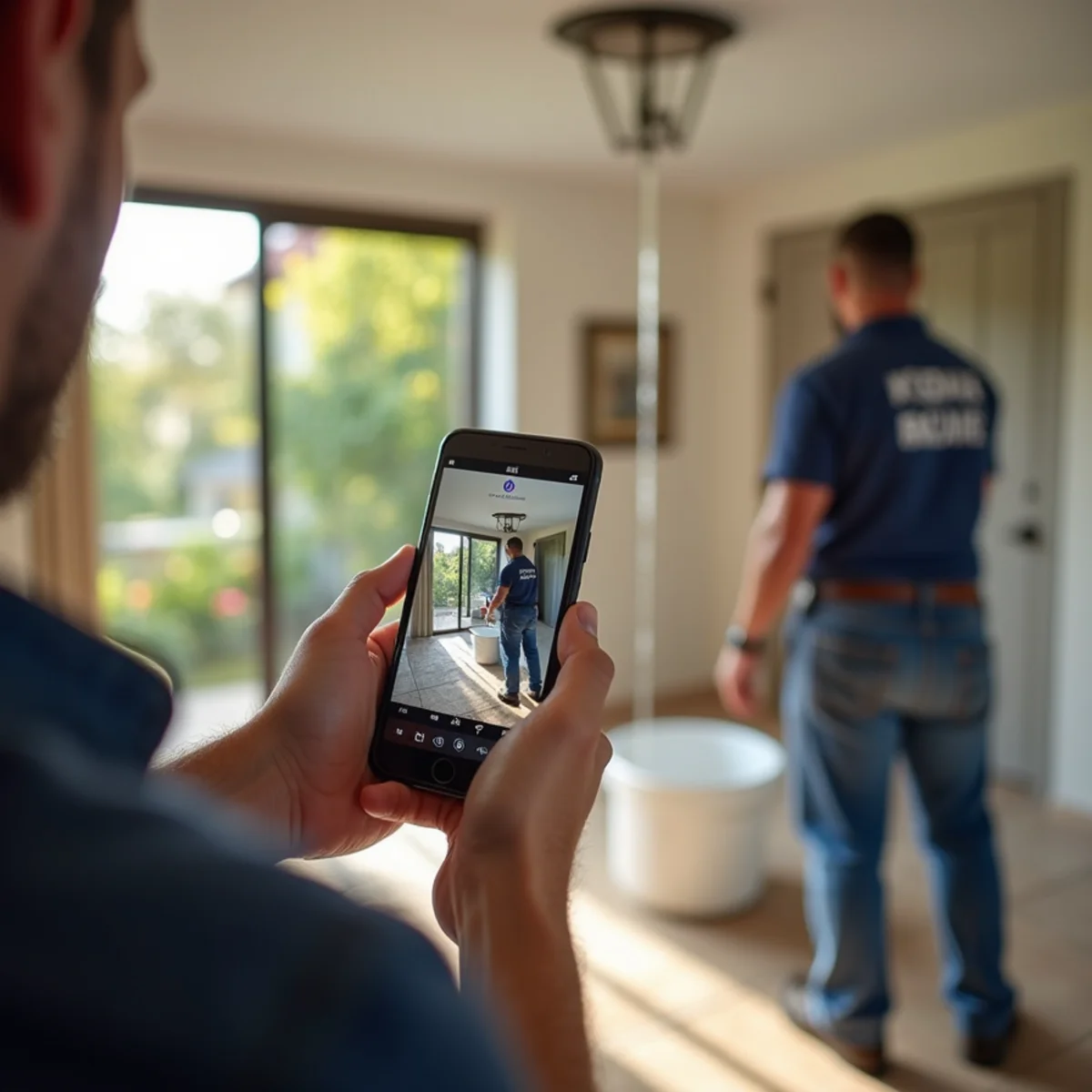
The difference between a water loss that gets cleaned up and one that turns into a mold and rebuild nightmare is usually decided in the first 24 hours. Water keeps moving and soaking in, mold can start within a day or two, and your insurer expects you to act quickly to limit the damage. Here is the order to do things in.
1. Make sure it is safe first
Before you wade in, deal with the hazards. If you can safely reach the breaker, cut power to the affected areas — water and electricity are a deadly mix. Avoid standing water that could be hiding a live current or contamination, wear boots and gloves, and if a ceiling is sagging or the situation feels unsafe, get everyone out and wait for help.
2. Stop the water at its source
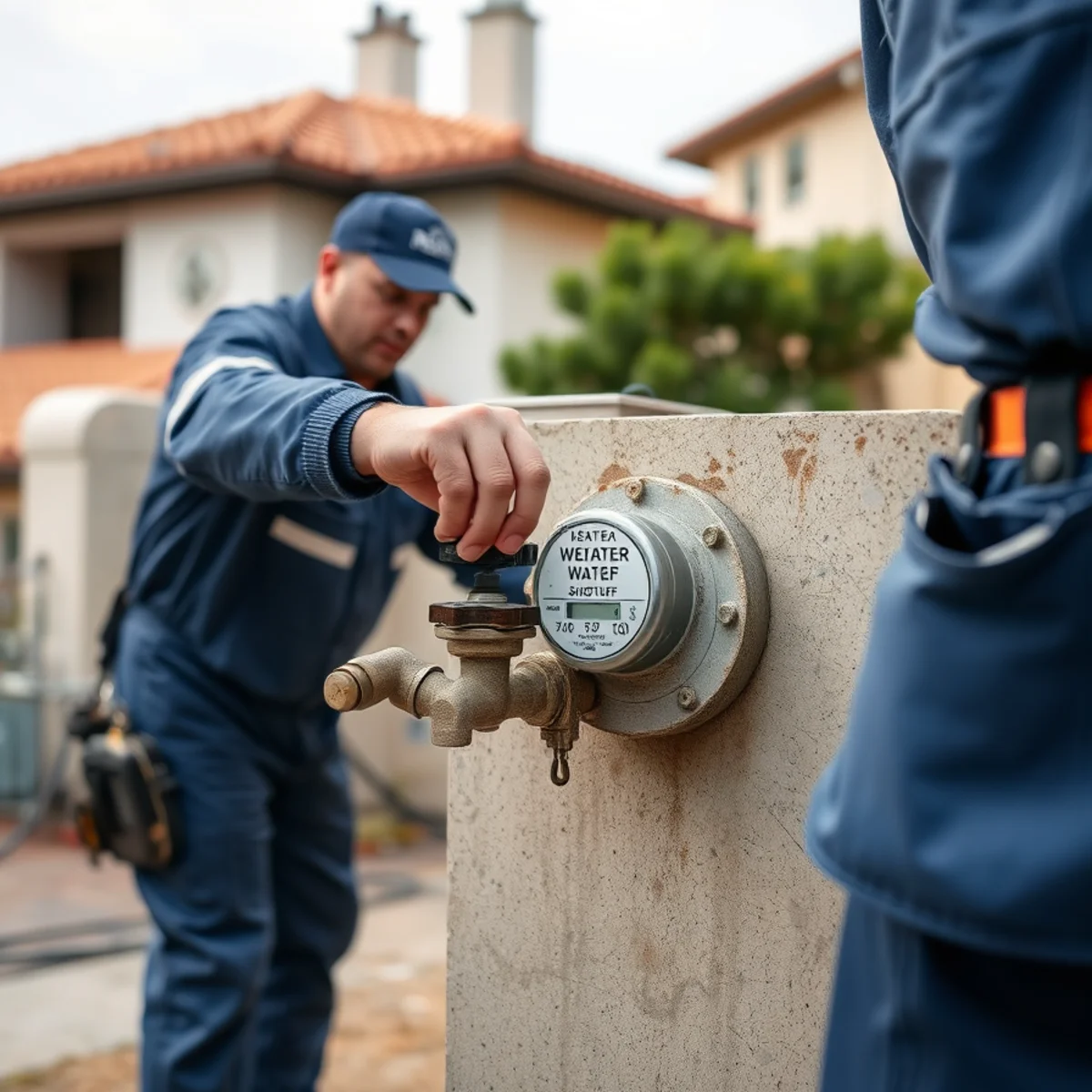
If the water is still coming, stop it. Shut off the failing appliance, or close your home's main water shutoff valve if it is a plumbing failure. For rain intrusion, a tarp or temporary barrier buys time. If you are not sure where your main valve is, find it now — our guide shows you how to find and shut off your main water valve.
3. Document everything before you move it
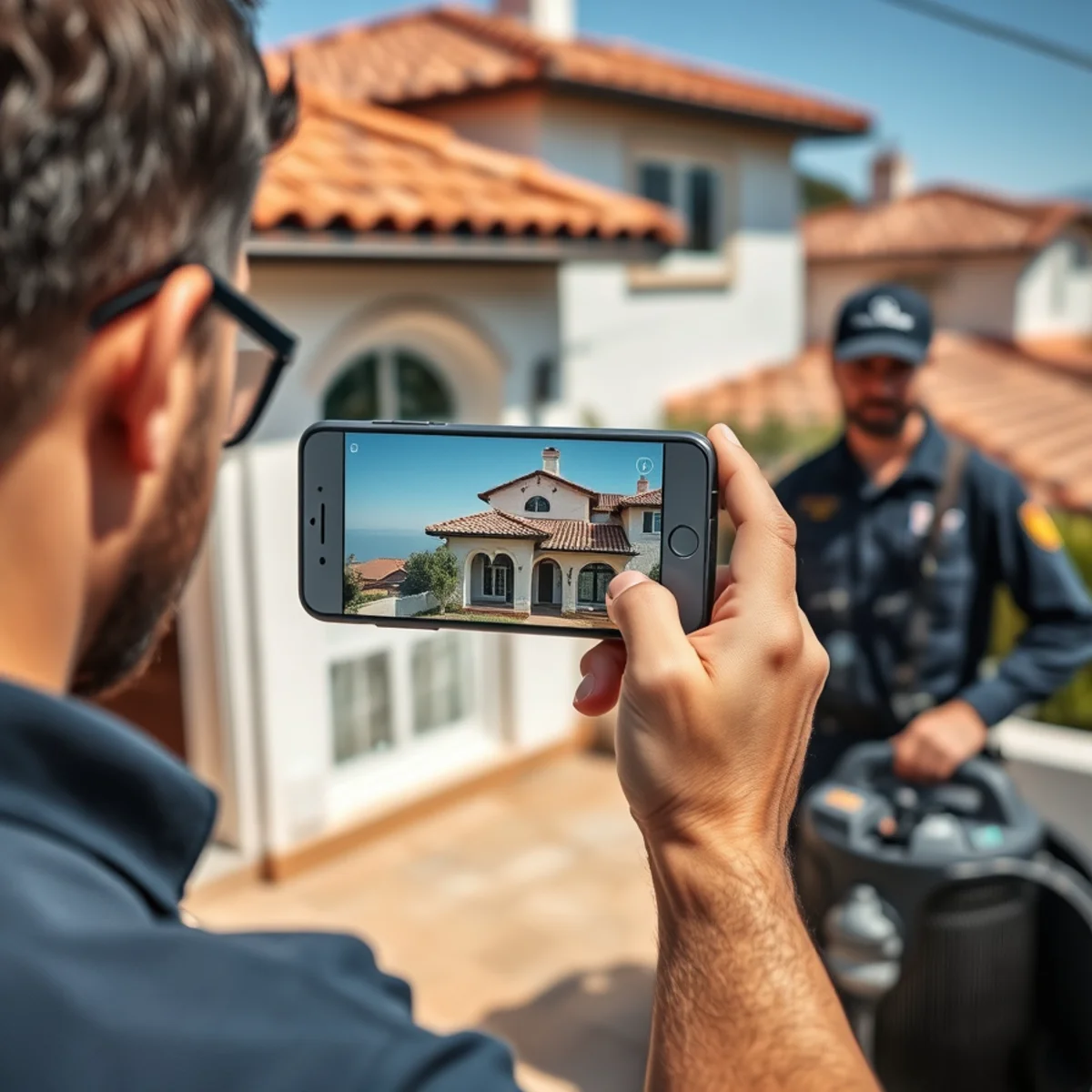
Before you start cleaning, take clear photos and video of all the damage — the water, the source, and every affected item and room. Write down damaged belongings, and save receipts for anything you buy or any temporary lodging. This is the evidence your claim runs on; our guide on documenting water damage for insurance covers what adjusters want to see.
4. Call your insurance company
Report the loss as soon as you can, ideally within 24 hours. Have your policy number ready, and write down the representative's name, the date, and any instructions they give. Sudden, accidental water damage is usually covered — here is how homeowners insurance treats water damage in California.
5. Start safe mitigation — only if it is minor and clean
If the water is clean and the amount is small, you can begin limiting the damage: mop or wet-vac small puddles, lift and move wet rugs and lightweight furniture to a dry area, and get airflow going. Do not try to tackle major flooding, contaminated water, or anything that soaked into walls on your own — that needs professional water extraction.
6. Call a restoration professional
Speed is everything, because clean water begins turning contaminated and mold begins to grow within about 24 to 48 hours. A local crew can extract the water and have commercial drying equipment running before the damage spreads. Our emergency water removal team answers 24/7 and targets a 30-minute response across Santa Barbara.
What NOT to do
- Do not use a regular household vacuum on water — it is an electrocution risk
- Do not enter rooms with sagging ceilings or visible electrical hazards
- Do not wait days to call your insurer — most policies expect prompt notice
- Do not throw away damaged items before you have photographed them
- Do not assume 'dry to the touch' means dry — the water you cannot see is what causes mold
A Santa Barbara note
Our winter storms, hillside runoff off the burn scars, and slow-drying marine-layer humidity all make the first-24-hour response matter more here than in a drier climate. Water that would air-dry elsewhere can sit in a wall for weeks on the coast.
If you are inside that first 24 hours right now, call (201) 277-9344. A real person answers, and a crew can be on the way tonight.
Frequently Asked Questions
How long do I really have before mold starts?
Should I call my insurance company or a restoration company first?
Can I just wait and let it dry out on its own?
What if the water is from sewage or a storm?
Services in this article
Areas we serve
Keep reading
 Emergency Guide
How to Find and Shut Off Your Home's Main Water Valve
The middle of a flood is the worst time to go looking for your main water shutoff. Here is how to find it, how to turn it off, and why every household should know before an emergency.
 Cost & Insurance
How to Document Water Damage for an Insurance Claim
A water damage claim is won or lost in the first hour. Here is the step-by-step way to document the loss so your adjuster pays what you are owed.
 How-To
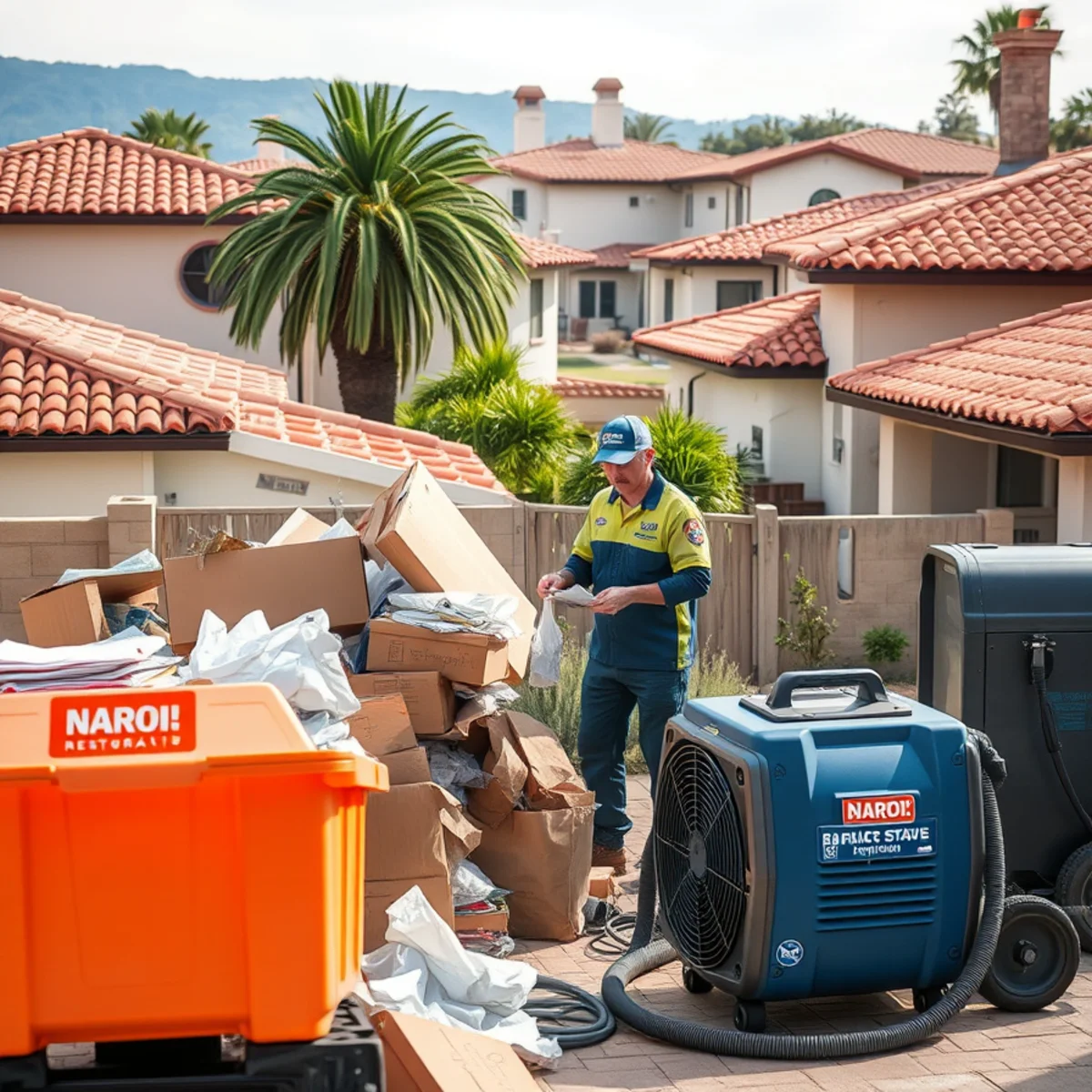
Category 1, 2, or 3? Why the Type of Floodwater Changes Everything
Not all water damage is equal. The category of the water dictates what can be saved, how the cleanup is done, and what it costs. Here is how the three categories work.