
The 10-Minute Monthly Leak Inspection: Everywhere Water Hides
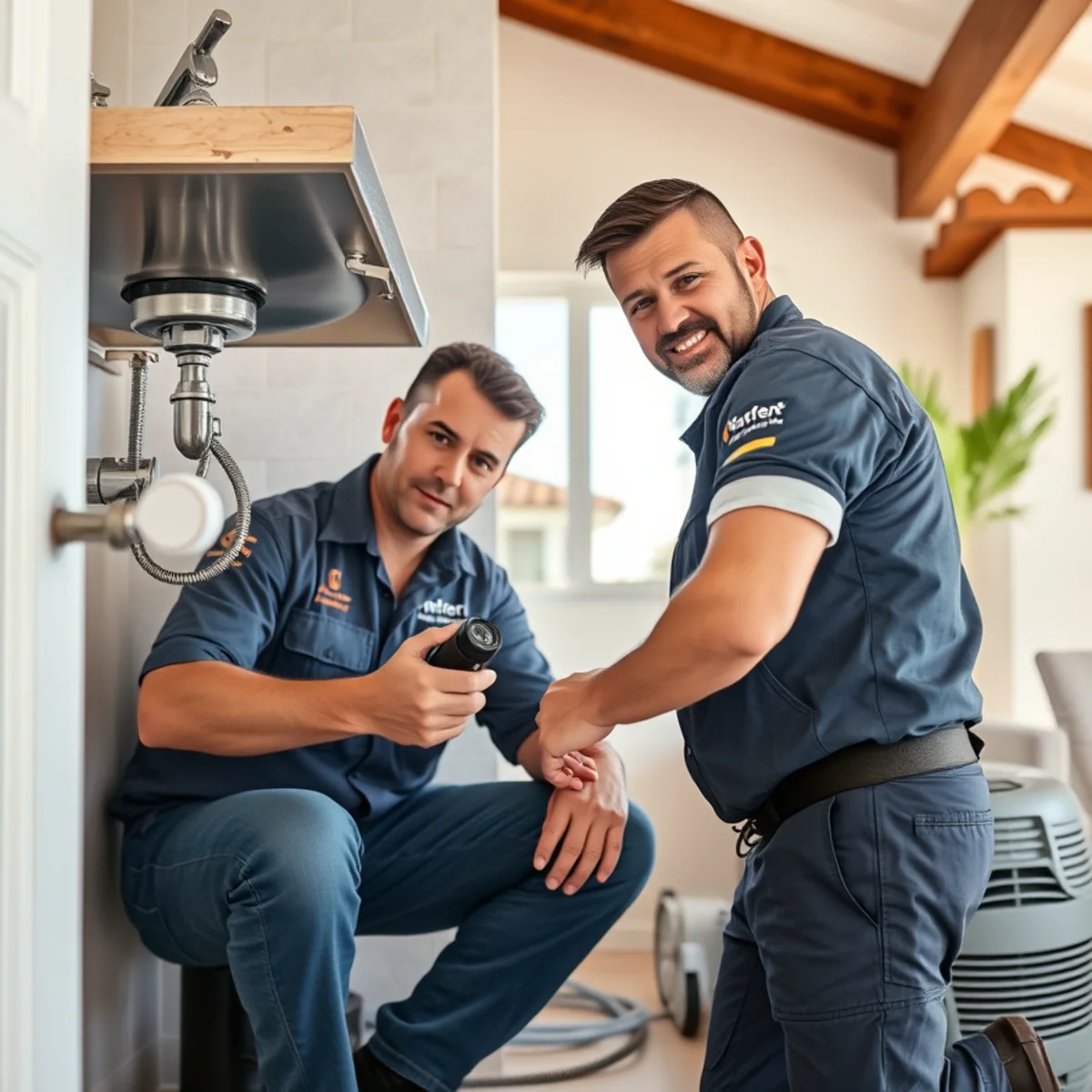
Most water damage does not announce itself. It starts as a slow drip under a sink, a sweating valve behind the toilet, or a fitting on the water heater that weeps a few drops a day. By the time you see a stain or smell something musty, the material behind it has often been wet for weeks.
The fix costs you ten minutes a month. A short, deliberate walk through the places water hides catches small problems while they are still cheap, and it is the single best habit a homeowner can build against a five-figure loss.
Why ten minutes a month beats a five-figure claim
In California, a typical water damage restoration runs between about $1,600 and $9,700, and the average water damage insurance claim is close to $13,954. Almost all of that starts small. The reason a minor leak becomes a major bill is time. In our coastal humidity, mold can begin growing on wet drywall or framing within 24 to 48 hours. A monthly check keeps that clock from ever starting.
Your ten-minute walk, room by room
Do this the same way each month so it becomes automatic. Bring a dry paper towel and a flashlight.
- Kitchen sink: open the cabinet, run the flashlight along the supply lines, the shut-off valves, the P-trap, and the disposal. Wipe each connection with the dry towel and check for damp.
- Bathroom sinks and toilets: check the same supply lines and valves, then feel the floor around the base of each toilet for softness or damp, which signals a failing wax seal.
- Water heater: look at the top fittings and the base of the tank, and check the drip pan for standing water. Rust at the base or moisture on the floor means it is failing.
- Washing machine: pull it out enough to see the hoses, and feel where they connect at the wall and the machine.
- Dishwasher and refrigerator: look under the front kick plate of the dishwasher and behind the fridge at the ice-maker line.
- Ceilings and walls: scan under upstairs bathrooms and along exterior walls for stains, bubbling paint, or discoloration.
- Garage and exterior: check the hose bibs, the water softener if you have one, and any water heater or laundry hookups in the garage for damp or slow drips.
Expert tip
A dry paper towel is a better detector than your eyes. A fitting can be actively leaking and still look dry because the water wicks away. Wipe every connection and check the towel. If it comes away damp on a dry day, that fitting is your problem.
Signs that point to a hidden leak
Some leaks never show themselves at the fixture. Watch for these instead:
- A warm spot on a tile or concrete floor, which can indicate a hot-water slab leak.
- The faint sound of running water when every fixture is off.
- A musty smell in a closet, cabinet, or corner that does not clear with airflow.
- Paint that bubbles, cracks, or discolors on a ceiling below a bathroom.
- A water bill that climbs with no change in how much you use.
A warm floor or the sound of water with everything off often means a line running under the slab has failed. That is a job for our slab leak water damage specialists, who locate the exact spot with thermal imaging before any concrete comes up.
The two fixtures worth extra attention
If you only have time to check two things, check the water heater and the washing machine. Both hold or move large volumes under pressure, and both fail in ways that flood a room. A water heater that lets go can empty its whole tank across the floor, which is why our water heater leak cleanup crew sees so many of these calls. If a check ever turns up more than a few drops, or you find a wet cabinet floor you cannot explain, our leak detection service can trace it back to the source without tearing the room apart.
Keep a simple record
Note the date each month and anything you noticed, even something minor. Over time you will see patterns, like a valve that weeps a little more each check, and you can replace it on your schedule instead of on the leak's. This habit serves homeowners across town, from the ranch homes of Alta Mesa to the older bungalows of Oak Park, where decades-old plumbing rewards a careful monthly eye.
Our marine layer makes this routine matter more than it would inland. Coastal fog keeps indoor humidity high, so a little moisture that would dry on its own in a desert climate lingers here and feeds mold. That is the real reason a monthly wipe-and-check pays off in Santa Barbara: you are not only finding leaks, you are denying moisture the time it needs to do damage.
Ten minutes a month is the cheapest insurance you will ever buy. Make the walk a routine, act on anything you find, and call in help before a small drip turns into a soaked wall. If your inspection turns up something you cannot stop, Restore Santa Barbara is locally owned and answers the phone around the clock. Call (201) 277-9344, and a local, IICRC-certified crew can be there within about 30 minutes.
Frequently Asked Questions
How often should I inspect my home for leaks?
What are the most common places for hidden leaks?
What should I do if I find a leak during my inspection?
Services in this article
Keep reading
 Prevention
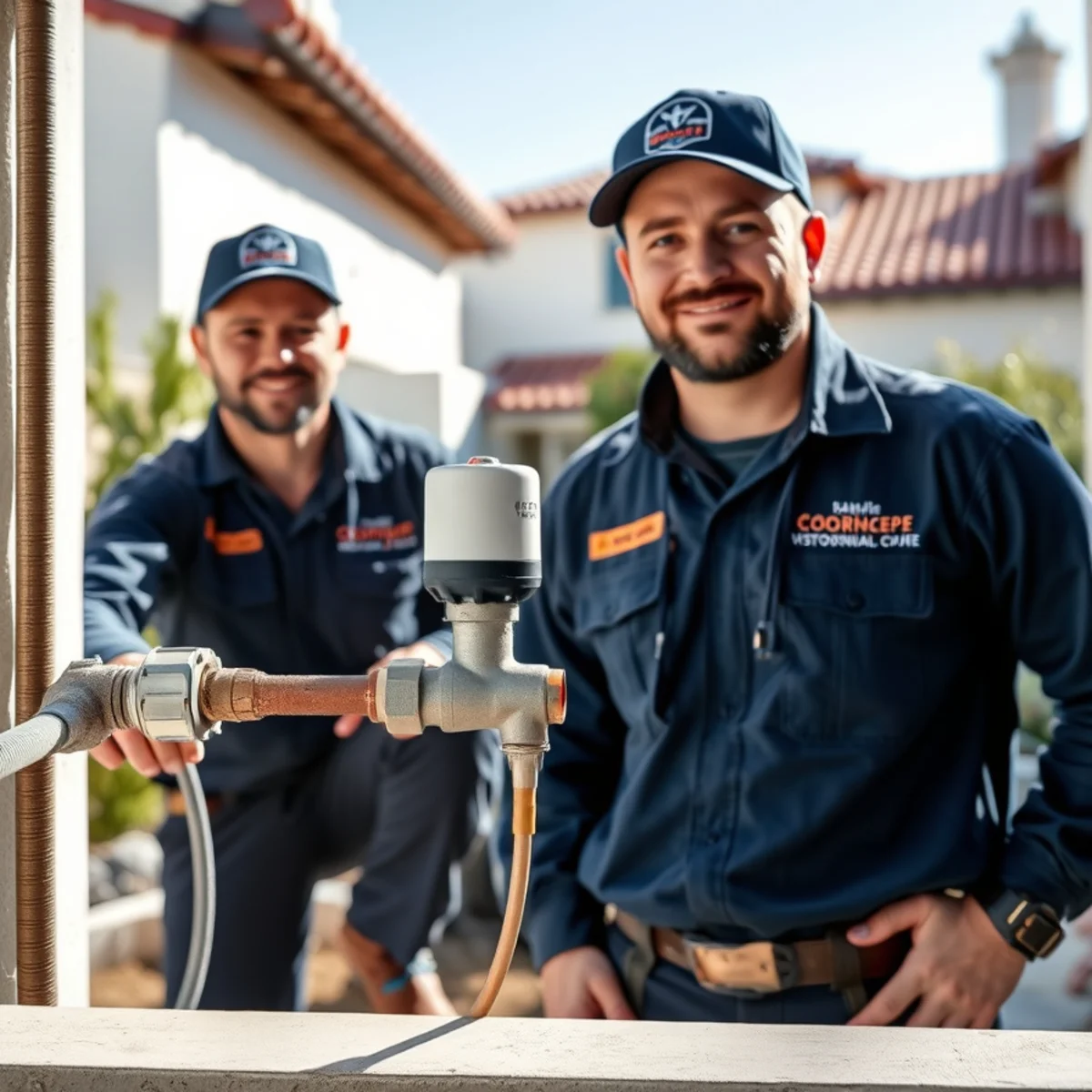
Smart Water Sensors and Automatic Shut-Off Valves: Are They Worth It?
A leak at 2 a.m. in an empty house is the expensive kind. Smart sensors and automatic shut-off valves close that gap. Here is what they do and how to choose.
 Prevention
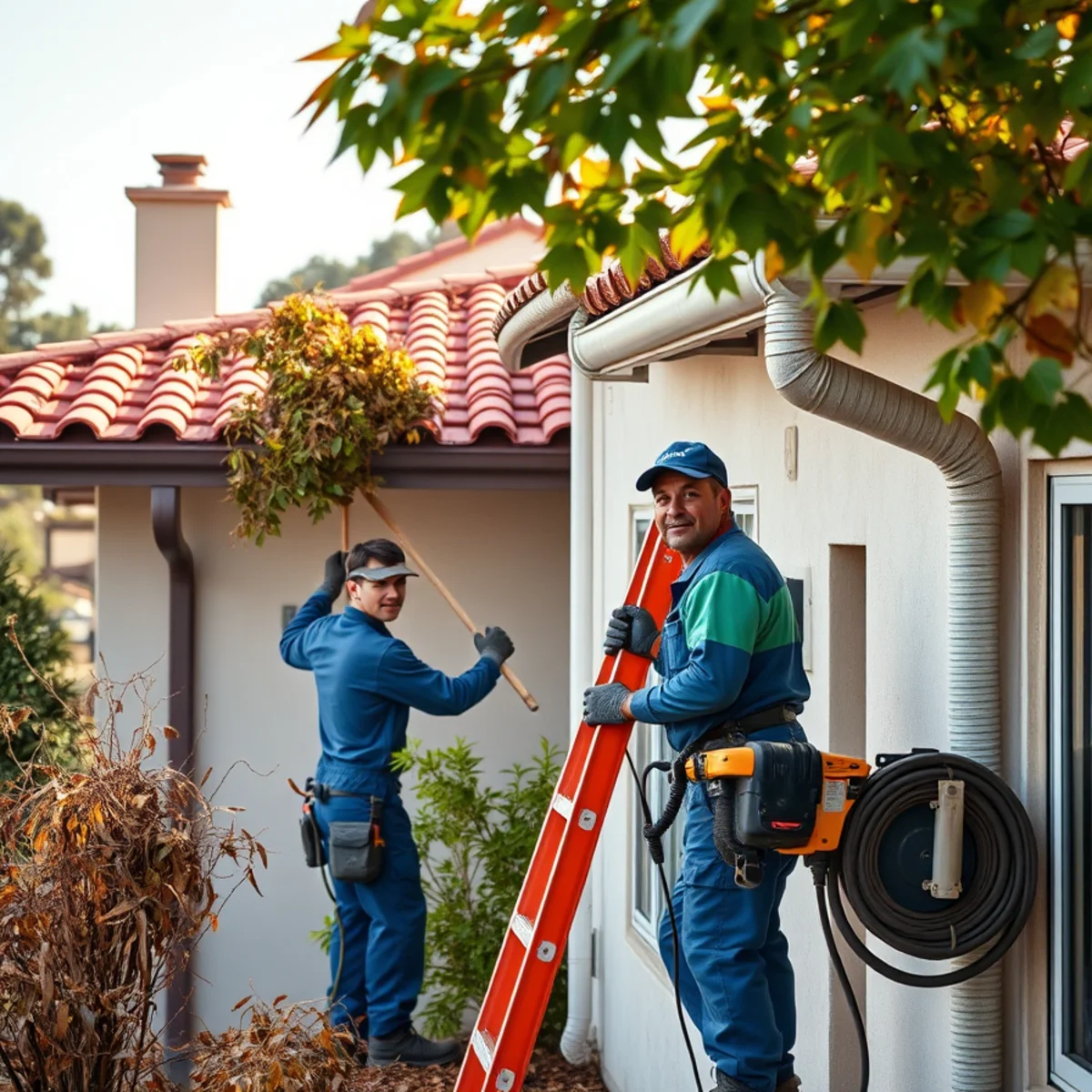
Gutters, Downspouts, and Yard Drainage: A Pre-Rainy-Season Checklist for Hillsides
On a hillside, water runs fast and looks for your foundation. Clear the gutters, push runoff away from the house, and open the drainage paths before the rainy season starts.
 Prevention
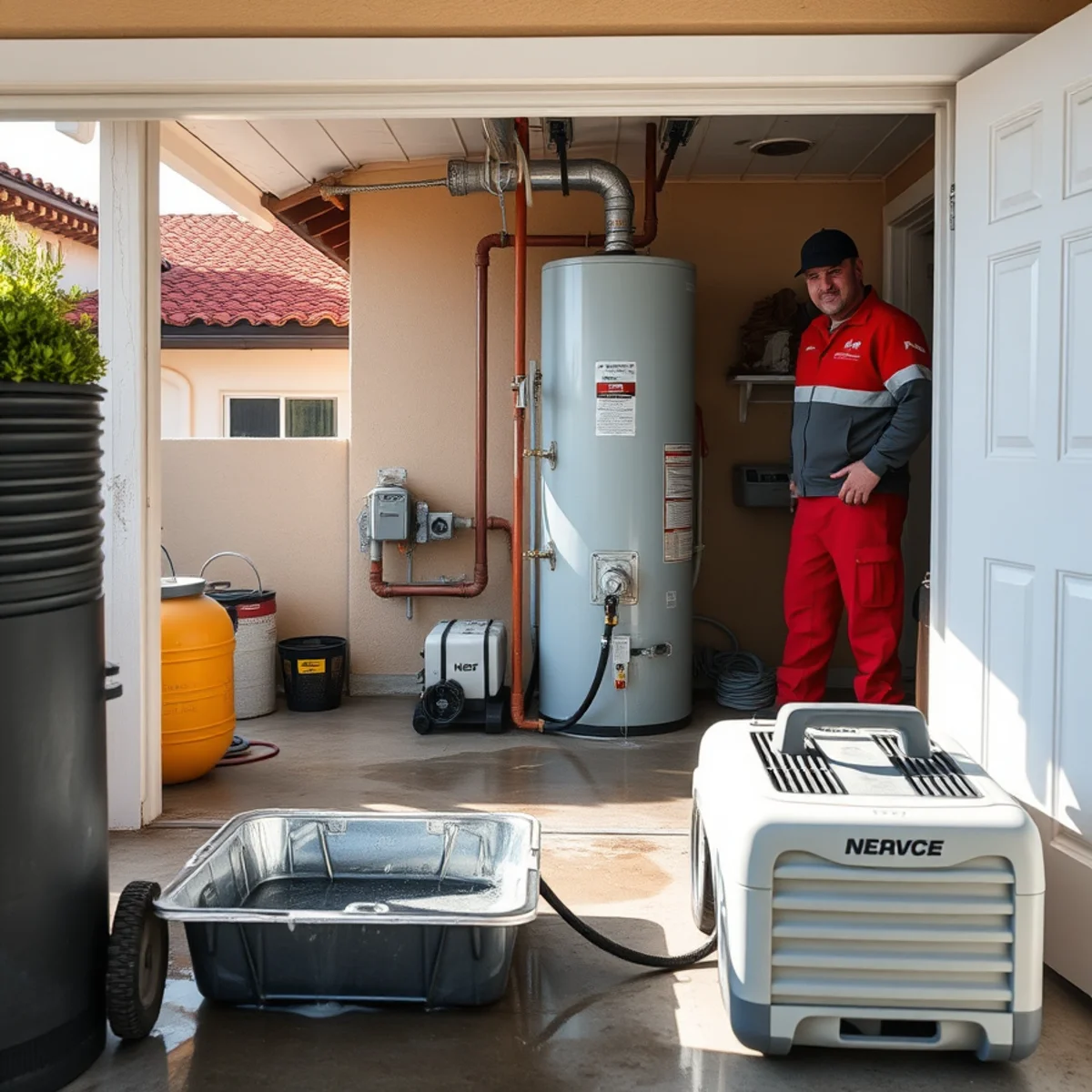
When to Replace Washing Machine Hoses, Water Heaters, and Supply Lines
Washer hoses, water heaters, and supply lines fail on a predictable schedule. Replace them by age instead of waiting for the burst, and skip the flooded room entirely.