
Why Santa Barbara's 1920s-40s Spanish Colonial Homes Have the Highest Leak Risk
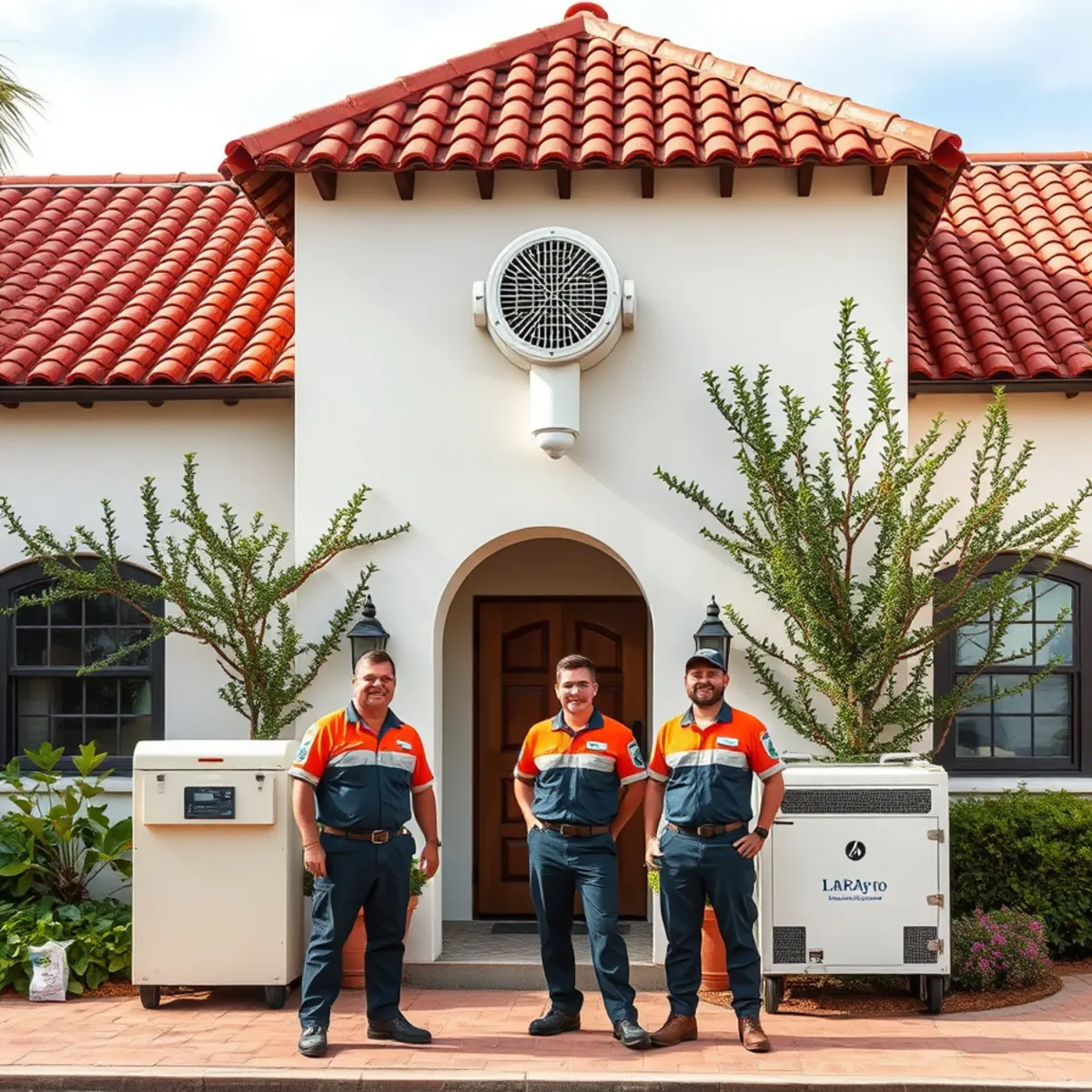
A 1920s Spanish Colonial is one of the best things you can own in Santa Barbara. Thick plaster walls, arched doorways, a clay-tile roof, and craftsmanship no builder pours into a house today. But behind that plaster sits plumbing that is often eighty to a hundred years old. That hidden plumbing is exactly why these homes carry some of the highest leak risk in the city.
We have pulled water out of enough historic homes to know the pattern. The house looks solid. Meanwhile the supply lines in the walls and the sewer line under the yard are all quietly reaching the end of their service life at the same time.
Old pipe fails from the inside out
Most homes built here between the 1920s and the 1940s were plumbed with galvanized steel supply lines. Galvanized pipe corrodes from the inside. The protective zinc wears away, rust scales build up, the interior narrows, and the pipe wall thins until it weeps or splits. You see none of this from the outside. By the time a galvanized line finally fails, it has usually been corroding for decades.
The same era used vitrified clay for the sewer lateral, the pipe that carries waste from the house to the city main. Clay is tough, but its joints are short and rigid, and roots find them. Put a corroding metal supply system on top of a brittle clay drain system and you have a house that can spring a leak at either end.
Three failure points in a historic Santa Barbara home
Corroded galvanized supply lines
A pinhole in a galvanized line behind plaster rarely bursts dramatically. It weeps. That slow, steady moisture feeds mold inside the wall cavity, and in our coastal marine layer mold can take hold in as little as 24 to 48 hours. A leak you cannot see is often doing the most damage.
Cracked clay sewer laterals
Roots pry open clay joints, sections crack, and the line bellies or offsets over time. When it finally backs up, you are dealing with Category 3 black water, not a clean spill. That is a job for professional sewage cleanup with real containment, not a mop and a bucket.
Slab leaks in later additions
Many historic homes picked up a mid-century addition built on a concrete slab, with copper supply lines run underneath. Those lines develop pinholes too. A slab leak can run for weeks under a concrete floor before it surfaces as a warm spot underfoot, an unexplained jump in the water bill, or a damp baseboard across the room from the actual break.
Plaster and lath hides the evidence
Drywall telegraphs a leak fast; it stains and sags. Plaster and lath does the opposite. The plaster absorbs and holds water, and the wood lath behind it stays damp and feeds mold long before anything shows on the surface. By the time a brown ring appears on original plaster, the wall cavity has usually been wet for a while. That delay is the single biggest reason historic-home leaks turn into large repairs.
What to watch for
- A drop in water pressure, or rusty, discolored water when you first open a tap in the morning
- A warm spot on the floor of a slab-on-grade room
- A water bill that climbs with no change in your habits
- Musty odors near baseboards, closets, or the crawl space
- Slow drains or gurgling in the lowest fixtures in the house
- Soft spots, bubbling paint, or hairline staining in plaster walls and ceilings
What to do before you open a wall
Do not start demolishing plaster to chase a leak. Original plaster is expensive to restore, and guesswork almost always opens the wrong section. Start with professional leak detection using moisture meters and thermal imaging, which pinpoints the source and the extent of the wet material without tearing out irreplaceable finishes.
The pattern repeats across the older pockets of town. If your home sits in the Upper East neighborhood or up in Campanil near the Riviera, there is a strong chance it shares the same galvanized-and-clay plumbing DNA, and the same hidden risk.
Expert tip
If you are buying a historic Santa Barbara home, budget for the plumbing you cannot see. A sewer-lateral camera inspection and a look at the supply lines during escrow cost far less than an emergency repair after the walls are finished and furnished.
The bottom line
Historic homes reward owners who stay ahead of the plumbing. Watch the warning signs, find leaks early, and never let a slow leak sit inside a plaster wall through a foggy Santa Barbara winter. If you spot water where it should not be, call Restore Santa Barbara at (201) 277-9344. A live person answers day or night, and our IICRC-certified crew can reach most downtown and Upper East homes within about thirty minutes.
Frequently Asked Questions
How long do galvanized water pipes last?
Can a slow leak behind plaster really cause mold?
Should I repipe my historic home?
Services in this article
Areas we serve
Keep reading
 Local Santa Barbara
Spike in Your SB City Water Bill? You Might Have a Hidden Leak
An unexplained jump in your city water bill is one of the clearest signs of a hidden leak. Here is the 20-minute meter test to confirm it, and where leaks like to hide in older Santa Barbara homes.
 Local Santa Barbara
Tile Roofs and Water Damage: Why SB's Spanish Red Tile Isn't Always Waterproof
That classic Santa Barbara red-tile roof looks like it could last forever, and the tile nearly can. The waterproofing hidden underneath it cannot. Here is why Spanish tile roofs leak, and where to look before your ceiling does the telling.
 Local Santa Barbara
Santa Ana Wind Damage: How Winter Gusts Turn Into Roof Leaks
Santa Ana winds blow through dry and rainless, and your roof looks fine afterward. Then the next storm arrives and the ceiling starts dripping. Here is how winter wind events quietly set up roof leaks in Santa Barbara.