
Tile Roofs and Water Damage: Why SB's Spanish Red Tile Isn't Always Waterproof
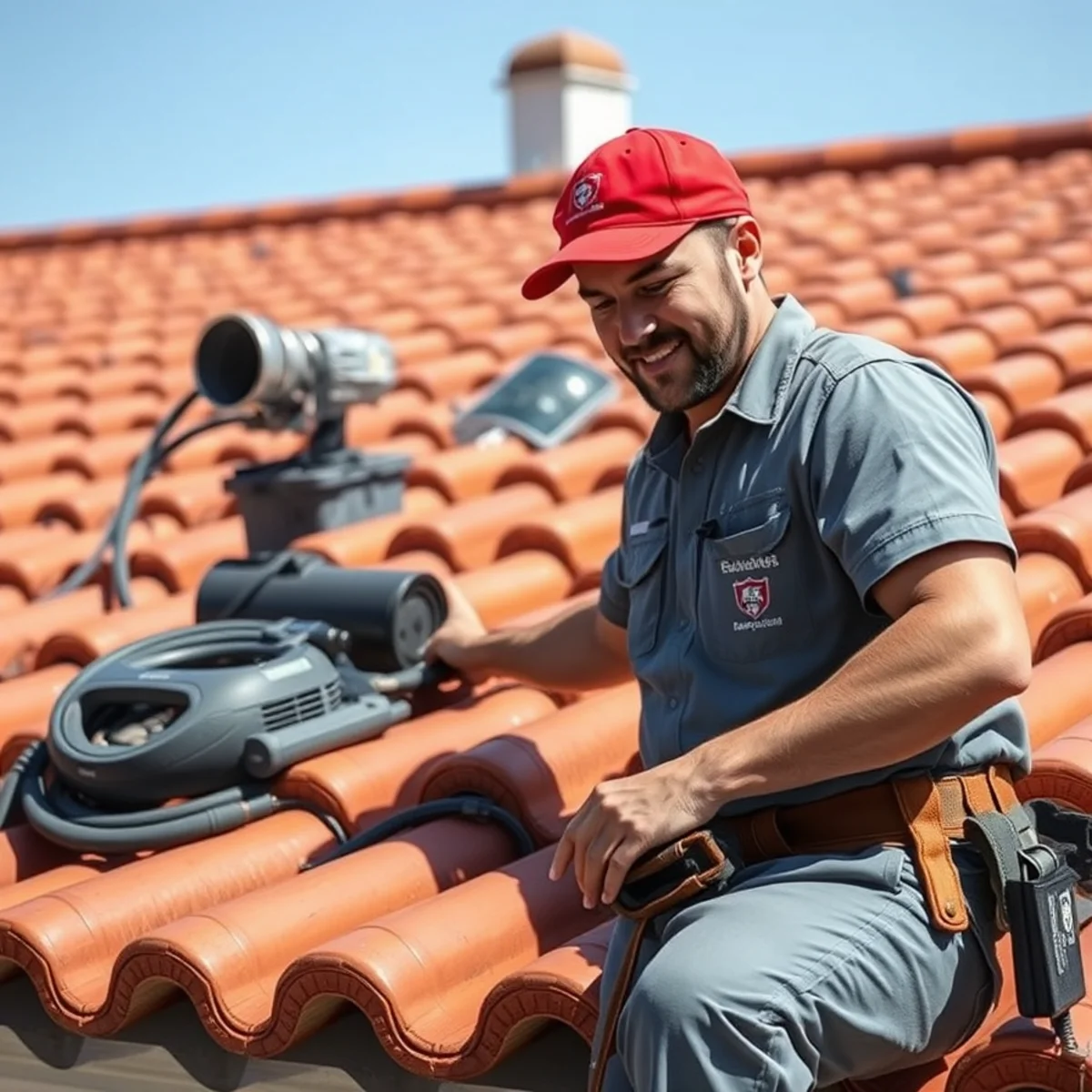
The red clay-tile roof is part of what makes Santa Barbara look like Santa Barbara. It is handsome, it fits the Spanish Colonial architecture, and it has a well-earned reputation for lasting a very long time. That reputation is also how a lot of homeowners get caught. They assume a tile roof is a lifetime of protection with nothing to think about, right up until the ceiling below it starts to stain.
Here is the piece most people miss. On a tile roof, the tile is not actually the waterproofing. The real barrier is hidden underneath, and it does not last nearly as long as the tile on top of it.
How a tile roof really keeps water out
A Spanish tile roof is a two-part system. The clay tiles are the top layer. They shed the bulk of the water and take the sun, the wind, and the weather, and good clay tile can do that job for the better part of a century. But tiles overlap rather than seal, so a meaningful amount of water, wind-driven rain, runoff in the valleys, moisture that wicks under the overlaps, gets past them.
Underneath the tile is the layer that actually stops that water: the underlayment, historically an asphalt-felt membrane laid over the roof deck. The tile protects the underlayment from sun and impact, and the underlayment keeps water out of the house. It is a partnership, and the hidden partner is the one that fails first.
Why the underlayment is the weak link
Tile can outlast the felt beneath it by decades. Underlayment ages out. Heat cycling, ultraviolet exposure at the edges and gaps, and simple time make old felt dry, brittle, and cracked, and once it does, it no longer sheds the water that gets past the tile. A roof can have tiles in perfectly good shape sitting on underlayment that quietly stopped doing its job years ago. On many older Santa Barbara homes, the tiles are original and the felt underneath is well past its service life.
Common leak points on a Santa Barbara tile roof
- Cracked or slipped tiles that break the overlap and let water reach worn underlayment
- Valleys, where two roof planes meet and a large volume of water concentrates and runs fast
- Flashing at chimneys, skylights, and where the roof meets a wall, which is a classic entry point
- Ridges and hips, where caps and their mortar or fasteners loosen over time
- Foot-traffic damage, because walking on tile cracks it, and a hairline crack is enough
These trouble spots are consistent across the older tile-roofed pockets of the city. Homes up in Campanil and over in Eucalyptus Hill tend to wear original tile over aging underlayment, so the tiles look timeless while the waterproofing quietly runs out its clock.
The slow-leak problem
A tile-roof leak is often sneaky rather than sudden. Water that gets under a tile and past failed underlayment does not drop straight down. It tracks along the battens, the deck, and the framing, sometimes for a good distance, before it finally shows up as a stain on a ceiling far from where it actually entered. That means the visible damage rarely marks the real leak, and it usually means water has been getting in for a while before you saw a thing.
Because the entry point and the ceiling stain can be far apart, chasing a tile-roof leak by eye alone tends to fail. This is where roof leak water damage response and moisture mapping earn their keep, tracing the water back along its actual path to the true point of entry.
What to do about a tile roof, and a tile-roof leak
First, do not walk on your tile roof to investigate. You will crack tiles and create the next leak. Leave the roof surface to a professional. From inside, watch for the early signs: a faint ceiling stain that grows after rain, a musty smell in an upstairs room or attic, or bubbling paint on a top-floor ceiling.
When a tile roof does leak, the water side of the problem needs prompt attention even before the roof itself is repaired. A soaked ceiling and the framing above it hold moisture that has to be pulled out, or you trade a roof leak for a mold problem. Ceiling water damage repair restores the damaged ceiling, and structural drying and dehumidification with commercial air movers, LGR dehumidifiers, and moisture meters dries the cavity completely, which matters even more in our damp coastal air where wet framing does not dry on its own.
Expert tip
If your tile roof still wears its original underlayment, its true age is the felt's age, not the tile's. A professional can inspect the underlayment's condition without you ever setting foot on the tile, and knowing where it stands lets you plan ahead instead of reacting to a ceiling stain.
The bottom line
A Santa Barbara red-tile roof can protect a home beautifully for generations, as long as you remember that the waterproofing under the tile ages faster than the tile itself. Know the leak points, watch your ceilings, and never assume the tile alone is keeping you dry. If water is already coming through, call Restore Santa Barbara at (201) 277-9344. A live person answers day or night, and our IICRC-certified crew can be at most Santa Barbara homes within about thirty minutes to dry it out before it spreads.
Frequently Asked Questions
Why does my Spanish tile roof leak if the tiles look fine?
How long does tile-roof underlayment last?
Can I walk on my tile roof to find a leak?
Services in this article
Areas we serve
Keep reading
 Local Santa Barbara
Spike in Your SB City Water Bill? You Might Have a Hidden Leak
An unexplained jump in your city water bill is one of the clearest signs of a hidden leak. Here is the 20-minute meter test to confirm it, and where leaks like to hide in older Santa Barbara homes.
 Local Santa Barbara
Santa Ana Wind Damage: How Winter Gusts Turn Into Roof Leaks
Santa Ana winds blow through dry and rainless, and your roof looks fine afterward. Then the next storm arrives and the ceiling starts dripping. Here is how winter wind events quietly set up roof leaks in Santa Barbara.
 Local Santa Barbara
Coastal Moisture and Mold: Why SB Beach Homes Need Extra Vigilance
You do not need a flood to grow mold in a Santa Barbara beach home. The marine layer does plenty on its own. Here is why coastal moisture makes beach homes a mold risk, and the vigilance it takes to stay ahead of it.