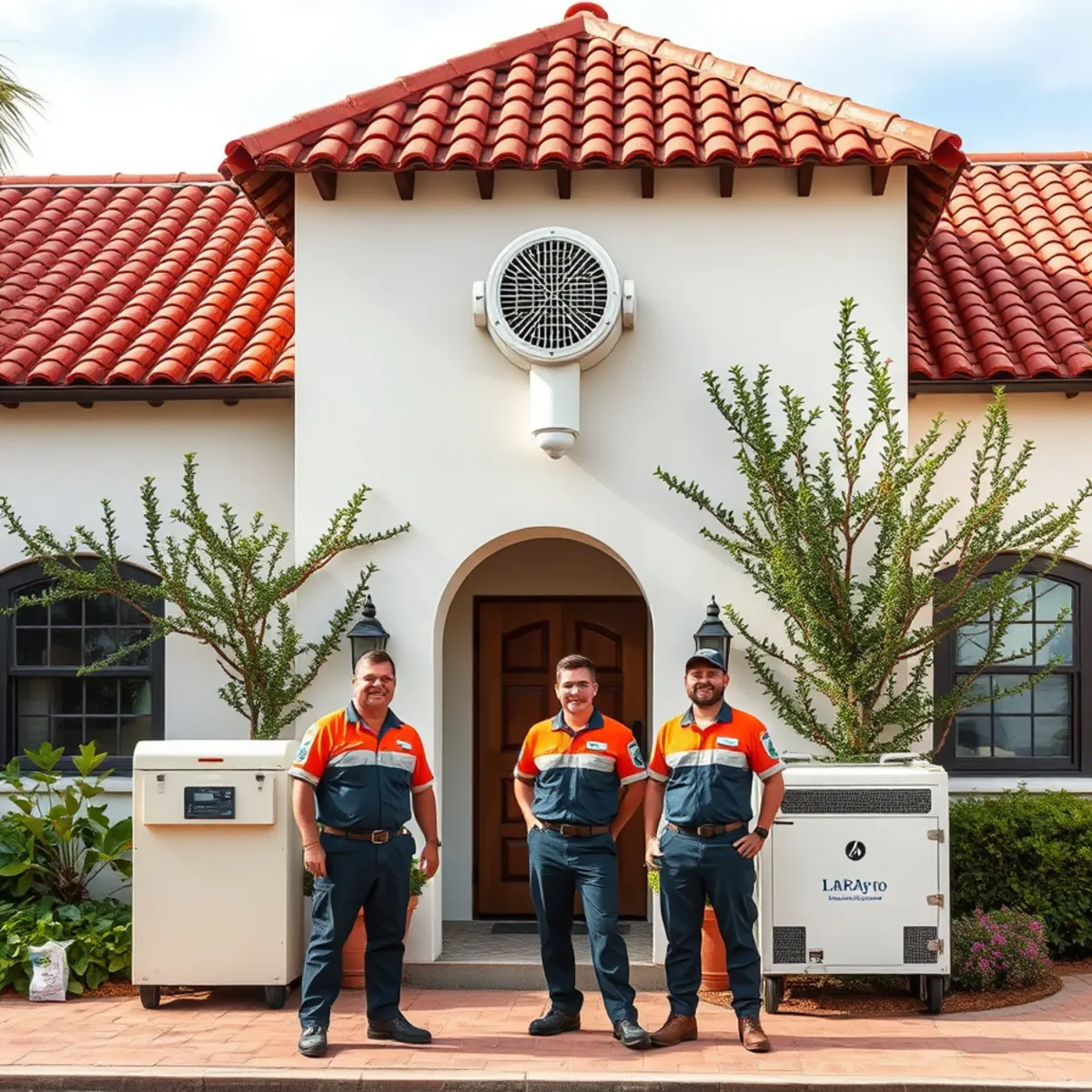
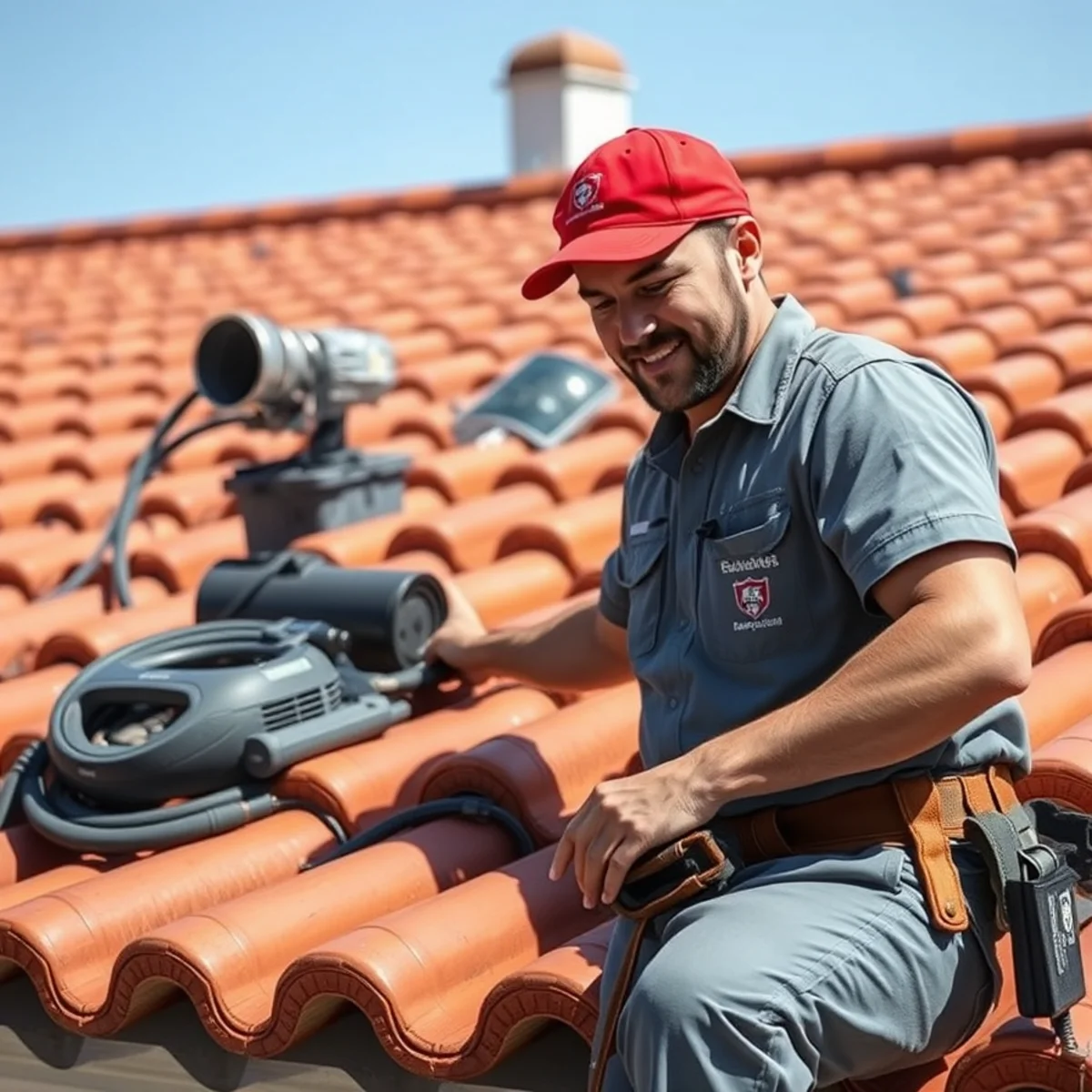
Spanish Colonial homes from the 1920s and 1940s were built with plaster and lath walls, wood framing, and clay-tile roofs over underlayment that is now decades old. When water gets behind the tile, it does not announce itself. It travels along the framing and surfaces as a stain on a hand-troweled ceiling weeks later. Original galvanized supply lines add another failure point, and when one bursts inside a wall, it corrodes out of sight until it goes.
Drying a plaster-and-lath home takes patience. Push too hard with heat and you crack the plaster; too little and moisture stays trapped in the lath and rots the framing. We meter and adjust as we go, using low, steady drying that the original materials can take. A ceiling of hand-troweled plaster is not a sheet of drywall you can replace in an afternoon, so we work to dry and keep it rather than tear it out.


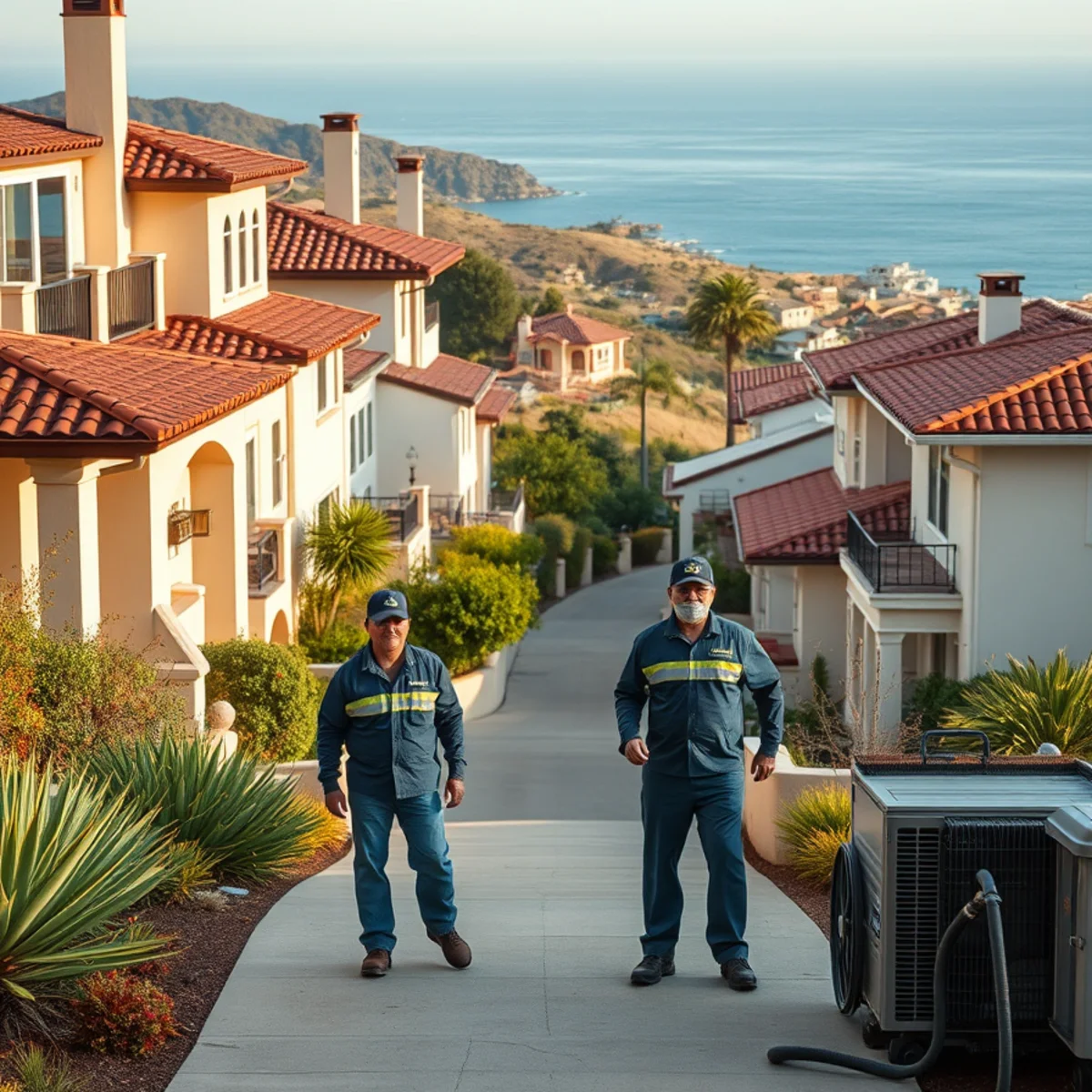

 Local Santa Barbara