
How to Find and Shut Off Your Home's Main Water Valve
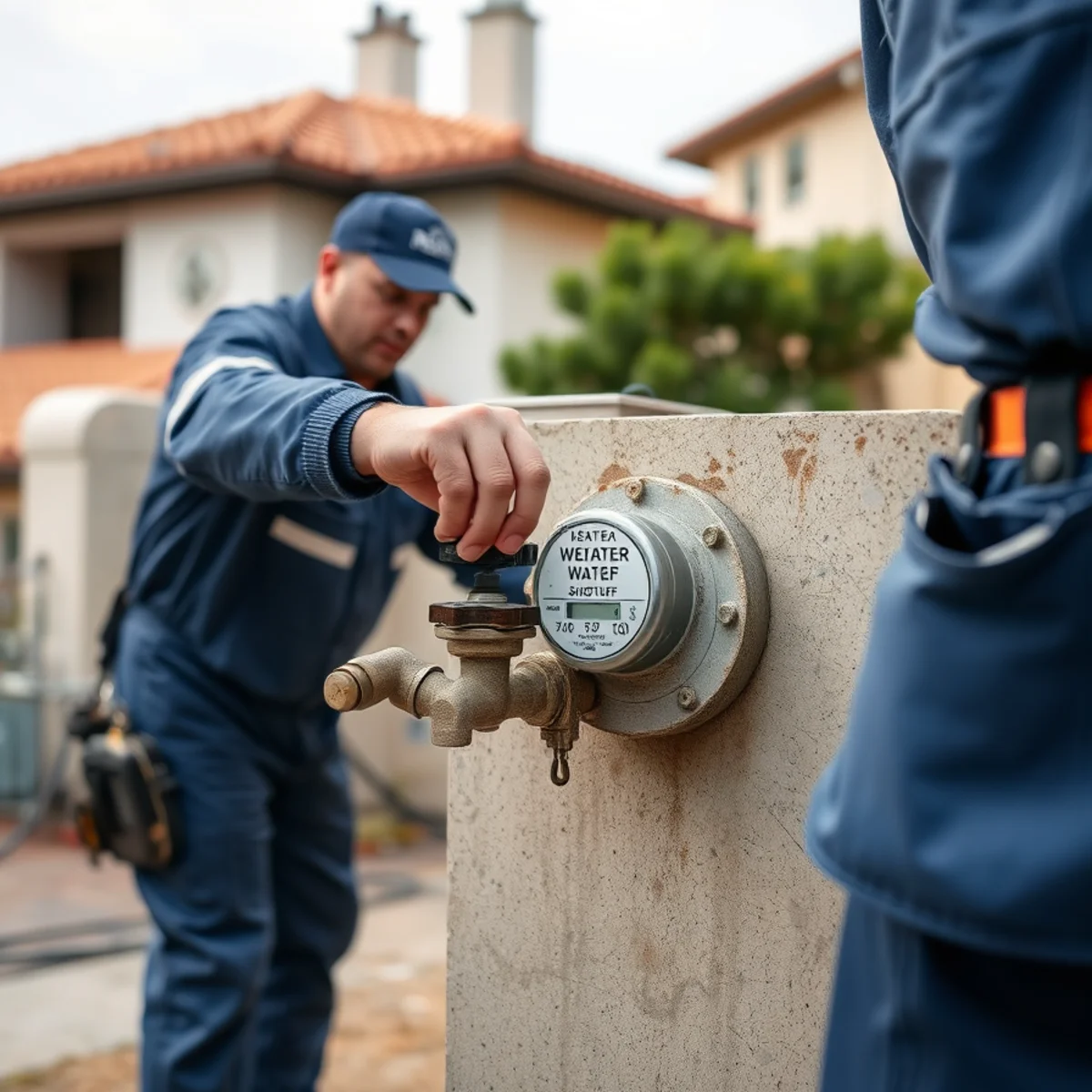
When a pipe bursts, the difference between a minor cleanup and a major loss often comes down to one thing: how fast you can shut off the water. Yet most people have never touched their main shutoff valve, and they end up hunting for it in the dark while water pours across the floor.
Every minute counts. A supply line under pressure can release several gallons a minute, so a five-minute search for the valve is five minutes of flooding you did not have to accept. The good news is that finding your shutoff takes ten minutes today, and knowing where it is will save you thousands later.
Here is where to look, how to turn it off, and what to check before you ever need it.
Where the Main Shutoff Valve Usually Hides
Most homes have two places to shut off the water: an interior valve that controls the house, and the meter valve at the street. Start with the interior valve, which is faster to reach in an emergency. Common locations include:
- Along an exterior wall on the street-facing side of the house, often near a hose bib
- In the garage, especially in homes with the water heater there
- In a basement or crawl space where the supply line enters the house
- In a utility closet or near the water heater
The valve comes in two styles. A gate valve is a round wheel you turn clockwise several full turns to close. A ball valve is a straight lever you turn a quarter turn until it sits crosswise to the pipe. Both stop the water; they just close differently.
The Meter Valve at the Street
If the interior valve is stuck, or your home does not have one you can find, the meter valve shuts off everything. Look for a rectangular metal or plastic lid at the edge of your property near the curb, often marked for water. Lift the lid and you will see the meter with a valve on the house side. Most meter valves need a meter key, a simple tool sold at any hardware store, though some turn with a wrench. Turn it a quarter turn so the handle sits across the pipe.
Expert tip
Buy a meter key now and keep it with your emergency supplies, not loose in a drawer. Many meter valves are too stiff to turn by hand and have a tab that only a meter key fits. A ten-dollar tool bought today beats a flooded hallway while you look for pliers at 2 a.m.
How to Actually Shut It Off
- Locate the valve you are going to use, interior first, meter valve as backup
- For a lever-style ball valve, turn it a quarter turn until it is crosswise to the pipe
- For a round gate valve, turn the wheel clockwise until it stops, which may take several full turns
- Open a faucet at the lowest point in the house to confirm the water has stopped and to drain the remaining pressure from the lines
- Leave the valve off until the leak is repaired and you are ready to check for more
Test Your Valve Before You Need It
A shutoff valve that has not moved in twenty years may be seized, corroded, or slow to seal. This matters in Santa Barbara's older neighborhoods. On the Westside, aging galvanized plumbing and original cast-iron drains mean valves and fittings that have not been touched in decades. In the older cottages of San Roque, many homes still run on 1920s-era plumbing where a main valve can be stubborn or worn. Test yours: shut it off, confirm the water stops at a faucet, then turn it back on. If it leaks, will not turn, or does not fully stop the flow, have it replaced before an emergency proves it is broken.
When Shutting the Valve Is Not Enough
Killing the water at the main stops the source, but it does not undo the damage already done, and it does not tell you where a hidden leak is coming from. If a pipe has already burst, you still need the water extracted and the structure dried. Our burst pipe cleanup crews handle that repair from start to finish, and emergency water removal gets extraction equipment on site within 30 minutes. If you keep shutting the water off because something is leaking but you cannot find where, professional leak detection uses moisture meters and thermal imaging to pinpoint the source inside walls, ceilings, or a slab without tearing the house apart.
Slab Leaks and Hidden Lines
Not every leak announces itself. A slab leak under a concrete foundation, or a pinhole in a supply line inside a wall, can run for weeks, driving up your water bill and feeding mold before you see a drop. Warning signs include a warm spot on the floor, the sound of running water when everything is off, or an unexplained jump in usage. Because mold can start within 24 to 48 hours in our coastal humidity, finding and stopping a hidden leak early is what keeps a small repair from becoming a large one.
Knowing where your main water valve is, and that it actually works, is the cheapest insurance in your home. Take ten minutes today to find it, test it, and buy a meter key. When a real emergency hits, you will shut the water off in seconds instead of minutes. And if a pipe has already let go, Restore Santa Barbara is IICRC-certified, licensed, bonded, and insured, and ready to help. Call (201) 277-9344 any hour; a live person answers, and a local crew will be on the way within 30 minutes.
Frequently Asked Questions
Where is the main water shutoff valve in my house?
Which way do I turn the main water valve to shut it off?
Do I need a special tool to shut off the water at the meter?
How do I find a hidden water leak?
Services in this article
Keep reading
 Emergency Guide
What to Do in the First 24 Hours After Water Damage
The first day after water damage decides how bad it gets. Mold can start within 24 to 48 hours, and insurers expect fast action. Here is exactly what to do — and what not to do — in the first 24 hours.
 Emergency Guide
Dishwasher Leaked Overnight and Flooded the Kitchen — Now What?
You wake to water across the kitchen floor and a dishwasher to blame. Here is how to stop the source, get the water out from under the cabinets, and dry it before mold sets in.
 Emergency Guide
Standing Water in the House: Is It Safe to Stay, and Who to Call First?
Standing water in your home raises an urgent question before cleanup even begins: is it safe to stay? The answer depends on the electricity, the contamination, and the structure.