
Wet Drywall: When It Can Be Saved and When It Has to Come Out
There is a water stain spreading across the wall, the paint is bubbling, and the drywall feels soft to the touch. You are facing a choice every water-damaged home comes to: can this drywall be dried and saved, or does it have to come out?
Get it wrong in either direction and you pay for it. Rip out drywall that could have dried, and you waste money on needless rebuild. Leave in drywall that should have gone, and you trap moisture that grows mold behind a freshly painted wall.
Can wet drywall be saved? It depends
Sometimes wet drywall can be dried in place and saved. Sometimes it has to be removed. The answer is not about how it looks; it is about three specific factors: what kind of water hit it, how saturated it is, and how long it has been wet.
Drywall is gypsum wrapped in paper. The gypsum core can often handle a brief soaking and dry out. The paper facing is the weak point; it holds moisture, loses strength, and feeds mold. Once the paper is compromised, the panel usually cannot be saved.
The three questions that decide it
1. What kind of water?
- Clean water (Category 1) from a supply line: the best case. Drywall can often be dried in place if you catch it early.
- Grey water (Category 2) from an appliance: sometimes salvageable, but the margin is thinner.
- Black water (Category 3), meaning sewage or floodwater: the drywall comes out. Contaminated gypsum and paper cannot be safely disinfected.
2. How saturated is it?
Lightly damp drywall that is still firm has a good chance. Drywall that is soft, swollen, sagging, or crumbling has lost its structure and needs to come out no matter what kind of water caused it. If it fails a touch test, drying will not bring it back.
3. How long has it been wet?
Time is decisive. Drywall dried within a day or two stands a real chance. Drywall that sat wet for a week, long enough for mold to establish on the paper, is usually past saving, especially in our humidity. Mold can begin within 24 to 48 hours, which is why the clock matters as much as the water.
When drywall can be dried in place
If the water was clean, the panel is still firm, and you caught it early, drying in place is often the right call and saves the cost of tear-out and rebuild.
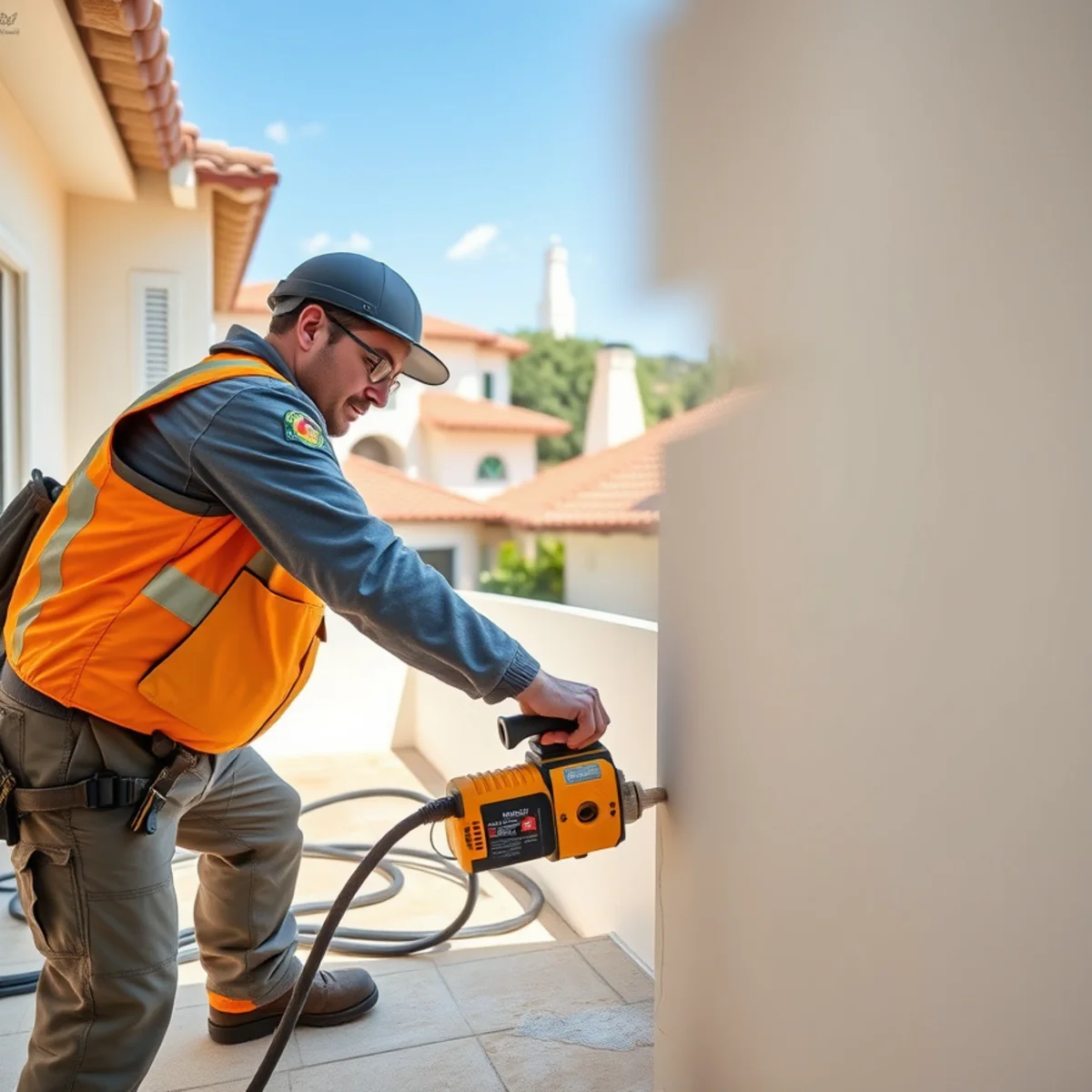
That means real drying, not a fan pointed at the wall. Crews remove the baseboard, sometimes drill small ventilation holes low on the wall or pull the panel back slightly at the bottom, and push dry air into the cavity. Structural drying and dehumidification with air movers and LGR dehumidifiers pulls moisture from both the drywall and the framing behind it, with moisture meters confirming it reaches a dry standard before anything is closed up. Skipping the cavity is how walls dry on the surface and rot behind the paint.
When it has to come out: the flood cut
When drywall cannot be saved, the standard fix is a flood cut, removing the wall a set height above the waterline, usually a foot or two up, to expose the cavity for cleaning and drying.
A flood cut is the right move when:
- The water was contaminated grey or black water.
- Insulation behind the wall is wet, since it holds water against the framing and rarely dries in place.
- The drywall is structurally failing, meaning soft, swollen, or crumbling.
- Mold is already visible on or behind the panel.
Removing the lower wall lets us extract, clean, treat, and dry the cavity properly, then rebuild on dry, sound framing. It costs more than drying in place, but far less than tearing out a whole wall of mold six months later.
Plaster and lath, the older-home difference
Many Santa Barbara homes do not have drywall at all. Neighborhoods like Samarkand and Oak Park hold plenty of 1920s to 40s homes built with plaster over wood lath. Plaster behaves differently from drywall. It is more water-resistant on the surface but holds moisture deep, and the wood lath behind it stays wet long after the plaster face feels dry.
Plaster is often worth saving for its character and cost, but it demands patient, monitored drying and careful moisture metering into the lath and framing. Rushing it, or assuming a dry surface means a dry wall, is a common and costly mistake in these homes.
How the pros decide
The decision should never come down to a guess or a knock on the wall. It comes down to measurement.
We map the moisture with meters and thermal imaging to see how far the water traveled and how saturated each area is. That guides where to dry in place, where to make a flood cut, and where hidden moisture is hiding behind a wall that looks fine. Thorough water extraction up front removes the standing water feeding the wall, and when a panel is already past saving with growth behind it, mold remediation handles the removal safely. The goal is simple: save what can be saved, remove what cannot, and never close a wall over moisture.
Expert tip
Do not repaint or seal a stained wall to hide it. Fresh paint over damp drywall traps the moisture and hides mold while it grows. Get the wall metered first, dry it to a verified standard, and finish it only once it is confirmed dry. Water category and coverage vary, so confirm any insurance questions with your insurer.
The bottom line
Wet drywall can often be saved if the water was clean, the panel is still firm, and you dried it fast. It has to come out when the water was contaminated, the panel is failing, or mold has taken hold. When in doubt, measure; do not guess, and do not paint over it.
Not sure whether your wall can be saved? Call us at (201) 277-9344. Our IICRC-certified crew will meter the moisture, make the honest call, and dry or rebuild it right. A live person answers day or night.
Frequently Asked Questions
Can wet drywall be saved?
What is a flood cut?
How long does it take for wet drywall to grow mold?
Is plaster different from drywall when it gets wet?
Services in this article
Keep reading
 How-To
The Water Damage Restoration Process: What to Expect, Step by Step
Once the water is stopped, what actually happens next? Here is the full water damage restoration process, step by step, with a realistic timeline so you know what to expect from the first moisture reading to the final coat of paint.
 How-To
DIY vs. Professional Water Damage Restoration: When to Call a Pro
Some water you can clean up with a mop and a box fan. Some will cost you thousands in hidden mold if you try. The deciding factor is not how handy you are — it is the water, the clock, and how far it spread.
 How-To
How to Choose a Water Damage Restoration Company in Santa Barbara
After a water loss, the company you hire in the first hour shapes how much of your home gets saved — and whether your insurance claim goes smoothly. Here is exactly what to verify before you let anyone start pulling up floors.