
Water Damage in a Hotel or Restaurant: A Plan for State Street Businesses
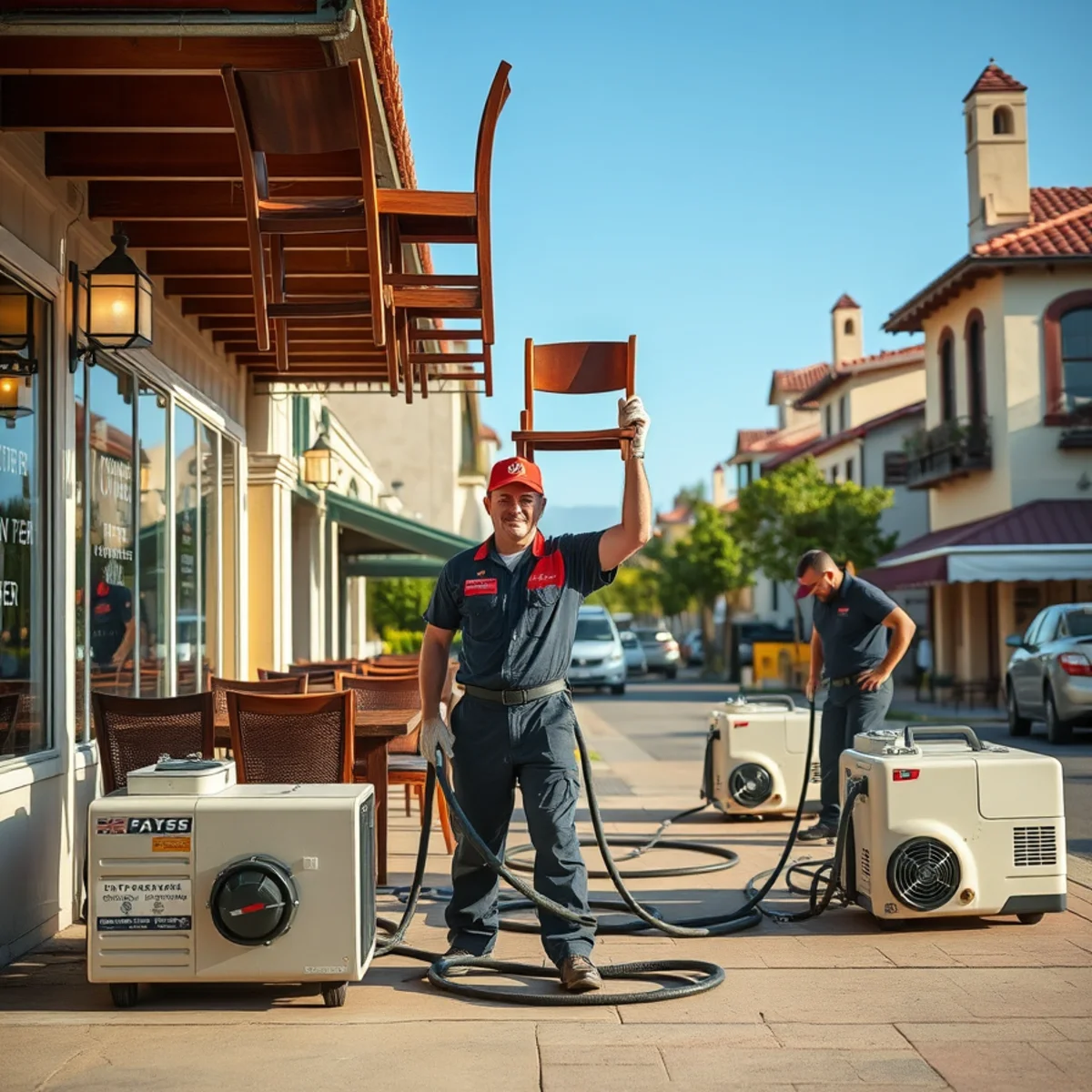
For a State Street restaurant or a downtown hotel, water damage is not just a building problem. It is a closed dining room, a floor of rooms taken out of service, and revenue lost for every hour the doors stay shut. A burst supply line above the kitchen or a failed water heater in a mechanical room can stop a business cold.
The businesses that recover fastest are the ones that decided what to do before it happened. A simple, written response plan turns a chaotic morning into a series of known steps, and it is often the difference between reopening tomorrow and reopening next week.
Why commercial water damage is a business problem, not just a building problem
In a home, water damage is disruptive. In a hospitality business, it directly stops revenue and can trigger health-code issues on top of the repair. Commercial buildings along the downtown State Street corridor are often older, sometimes with shared walls and stacked plumbing, so water on the third floor can reach the retail space on the ground floor. The faster you extract the water and start drying, the smaller the closure and the claim.
Build the plan before you need it
Write this down, keep a copy where staff can find it, and walk your team through it once a season.
- Map and label every water shut-off, the main and any zone valves, so any manager on shift can cut the water in under a minute.
- Label the electrical panels and know which circuits to kill if water reaches outlets or equipment.
- Assign roles: who shuts off the water, who moves guests or diners, who calls the restoration company, who photographs the damage.
- Keep a 24-hour commercial restoration company's number posted at the host stand and the front desk, saved before you need it.
- Know where your insurance policy and your lease live, and who to notify first.
The first 60 minutes
When water is actively spreading, the order of operations matters.
- Stop the source. Shut off the valve feeding the leak, or the main if you are not sure.
- Protect people first, then move product, electronics, and paper off the floor.
- Cut power to affected areas if water is near outlets or equipment, only if you can do it safely.
- Photograph and video everything before you move much, for the claim.
- Call for professional extraction. Standing water in a commercial kitchen or a carpeted hotel floor needs to come out fast.
Our commercial water damage restoration team works around hotel and restaurant schedules, and our emergency water removal service can extract standing water quickly so the drying can start the same shift.
Kitchens, category, and the health code
Water source matters more in a commercial kitchen than almost anywhere. Clean supply-line water is Category 1. Water that has touched floor drains, grease traps, or a sewer backup is Category 3, black water, and it cannot simply be mopped and reopened. It requires containment, extraction, and antimicrobial treatment before the space is safe for food service. Documenting the category and the cleanup protects you with both the health inspector and your insurer.
Drying a business without gutting it
The goal is to dry the structure fast enough to keep the business open, or to reopen it quickly. That means commercial air movers, LGR dehumidifiers, and moisture meters to confirm the walls and subfloor are actually dry, not just dry on the surface. Our structural drying and dehumidification service sets up a drying plan and monitors it daily, so you are not tearing out drywall you could have saved.
Lease and insurance: know who is responsible
Who pays for what in a commercial space depends on your lease and your policies, and it varies widely. A triple-net lease may put building repairs on the tenant. Another lease may hold the landlord responsible for the structure while your policy covers your improvements, equipment, and lost income. Business-interruption coverage, if you carry it, can offset the revenue you lose while closed. Do not guess in the moment. Read your lease and your policy now, and confirm with your broker or attorney who to call first, because responsibility is not the same from one building to the next.
Expert tip
The single most valuable pre-season task for a hospitality business is a shut-off drill. Time how long it takes a night manager to find and close the main valve. If it is more than a minute, label the valves and post a simple map. Minutes of running water in a commercial building translate directly into rooms and tables lost.
Downtown and the Funk Zone
From tasting rooms in the Funk Zone to hotels and restaurants along State Street, we work throughout the downtown core, and our base at 434 State Street puts a crew minutes away. A fast local response is what keeps a water event from becoming a long closure.
Water damage in a hotel or restaurant is a race against downtime. Build the plan, run the shut-off drill, know your lease, and have a local restoration crew on call. Restore Santa Barbara is IICRC-certified, licensed and insured, and answers the phone at any hour. Call (201) 277-9344, and a crew can reach downtown businesses within minutes to extract the water and start drying.
Frequently Asked Questions
What should a restaurant or hotel do first when water damage happens?
Who pays for commercial water damage, the landlord or the tenant?
Why does water category matter in a commercial kitchen?
Services in this article
Areas we serve
Keep reading
 For Businesses
HOA and Condo Water Damage: Unit Owner vs. Common-Area in California
When water crosses between condo units, the first question is who is responsible. In California that answer lives in your CC&Rs. Here is how the buckets and the insurance usually break down.
 For Businesses
Property Manager's Guide to Tenant Water Damage in California
The 2 a.m. call about a flooding unit raises two separate questions: stop the damage now, and sort out who pays later. Here is how California law generally splits the responsibility.