
Property Manager's Guide to Tenant Water Damage in California
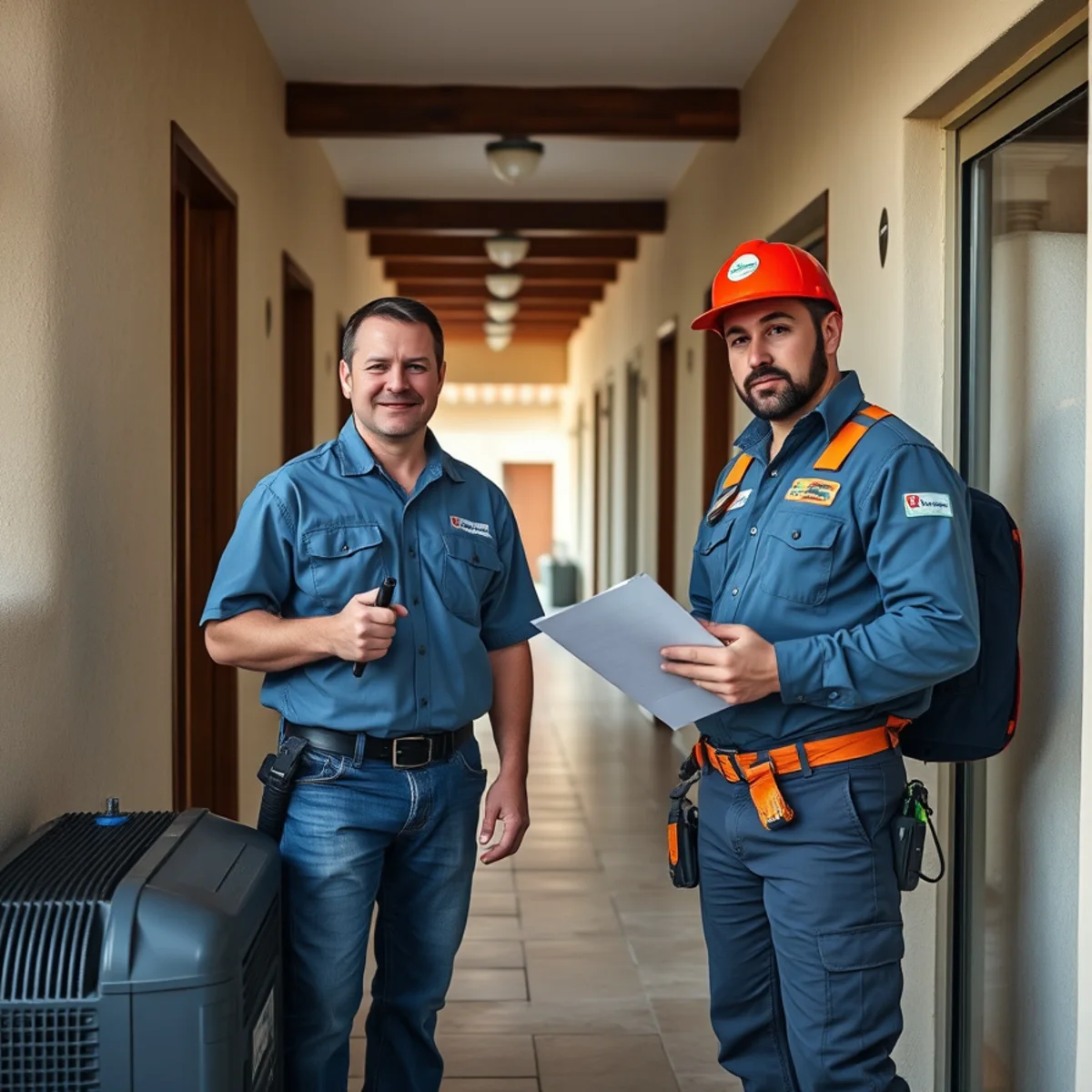
The call comes at 2 a.m. A tenant's kitchen is filling with water, or the unit below is reporting a stain spreading across the ceiling. As the property manager, you have two jobs at once: stop the damage tonight, and sort out who is responsible in the morning. Both matter, and they are separate questions.
California law draws some clear lines about landlord and tenant responsibility, but plenty of situations fall in between. Knowing the general rules, and what your lease says, keeps a water event from turning into a dispute or a habitability complaint.
First call: stop the water, then sort out the bill
Responsibility can wait an hour. Water cannot. Get the source stopped, get standing water extracted, and get the structure drying before you argue about who pays. In our coastal humidity mold can begin within 24 to 48 hours, and a slow response is what turns a plumbing repair into a health complaint. Our emergency water removal service runs around the clock for exactly this reason, and for larger portfolios our commercial water damage restoration team can coordinate across multiple units and work with your maintenance staff.
What California law generally puts on the landlord
Under California's implied warranty of habitability, a landlord must keep a rental fit to live in, which includes maintaining the plumbing and weatherproofing and making repairs that keep the unit livable. In practice that usually means:
- Maintaining and repairing the building's plumbing, roof, and structural elements.
- Fixing leaks and water intrusion that come from the building itself, not from the tenant's misuse.
- Addressing resulting mold that stems from a maintenance failure the landlord was responsible for.
- Making repairs within a reasonable time after being notified.
What generally falls to the tenant
- Promptly reporting leaks and water problems, so a small issue does not become a large one through delay.
- Damage the tenant causes through negligence or misuse, such as an overflowed tub or a hose left running.
- The tenant's own belongings, which a landlord's policy does not cover and which renters insurance is meant to protect.
- Keeping the unit reasonably clean and ventilated to avoid moisture problems the tenant can control.
Documentation that protects everyone
Whether the cause is the building or the tenant, a clear record settles the question later.
- Log the date and time of the report and when you responded.
- Photograph and video the damage before cleanup begins.
- Keep the restoration company's moisture readings and drying logs, which document the extent and the response.
- Save receipts and invoices for the repair and any temporary housing.
- Put communication with the tenant in writing, including notices of entry to make repairs.
Mold and the 24 to 48 hour clock
California does not set a specific numeric mold limit, but mold that makes a unit unlivable is a habitability issue, and how fast you responded matters. Because mold can start within a day or two on wet drywall and framing, the record of a prompt extraction and thorough drying is your best protection against a claim that the unit was left damp. When mold has already taken hold, our mold remediation service contains the area, removes the affected material, and treats it, with documentation you can keep on file.
Displacement, rent, and relocation
If a unit becomes unlivable while it dries, questions about rent and relocation come up fast. Depending on the lease and the circumstances, a tenant may be entitled to a rent reduction for the days the unit is uninhabitable, and some situations call for temporary relocation. Handle this in writing, keep the drying timeline tight to shorten any displacement, and confirm your obligations against the lease and California law rather than deciding on the spot.
This is also why many managers require renters insurance in the lease. It covers the tenant's belongings, which your building policy never will, and it reduces friction after a loss because each side's insurer handles its own scope. Confirm the requirement is written into your lease and that certificates are current before a claim ever happens.
Where the lines blur
Plenty of cases are not clean. A tenant's delay in reporting can shift some responsibility. A building defect the landlord did not know about is treated differently than a known, ignored problem. Student-heavy rentals bring their own patterns, and around Isla Vista and the neighboring blocks of Goleta and Isla Vista we often work with managers handling high-occupancy units where a single leak affects several tenants at once.
This is not legal advice
Landlord and tenant responsibility for water damage varies with the facts, your lease, and local ordinances. Use these general rules to move quickly, but read your specific lease and consult a qualified California attorney or your insurer for questions about liability and payment in a particular case.
As a property manager, your fastest win is separating the two jobs: stop and dry the water tonight, document everything, and resolve responsibility with the lease and your advisers after. Restore Santa Barbara works with managers and owners across the area, is IICRC-certified and insured, and answers the phone at any hour. Call (201) 277-9344, and a local crew can be on site within about 30 minutes.
Frequently Asked Questions
Is the landlord or tenant responsible for water damage in a California rental?
How fast does a property manager need to respond to a water leak?
Does a landlord have to pay for a tenant's damaged belongings?
Services in this article
Areas we serve
Keep reading
 For Businesses
HOA and Condo Water Damage: Unit Owner vs. Common-Area in California
When water crosses between condo units, the first question is who is responsible. In California that answer lives in your CC&Rs. Here is how the buckets and the insurance usually break down.
 For Businesses
Water Damage in a Hotel or Restaurant: A Plan for State Street Businesses
For a downtown hotel or restaurant, water damage means lost revenue for every hour you stay closed. A written response plan is what gets the doors back open fast.