
Toilet Overflowing? How to Stop It — and When It's a Sewage Emergency
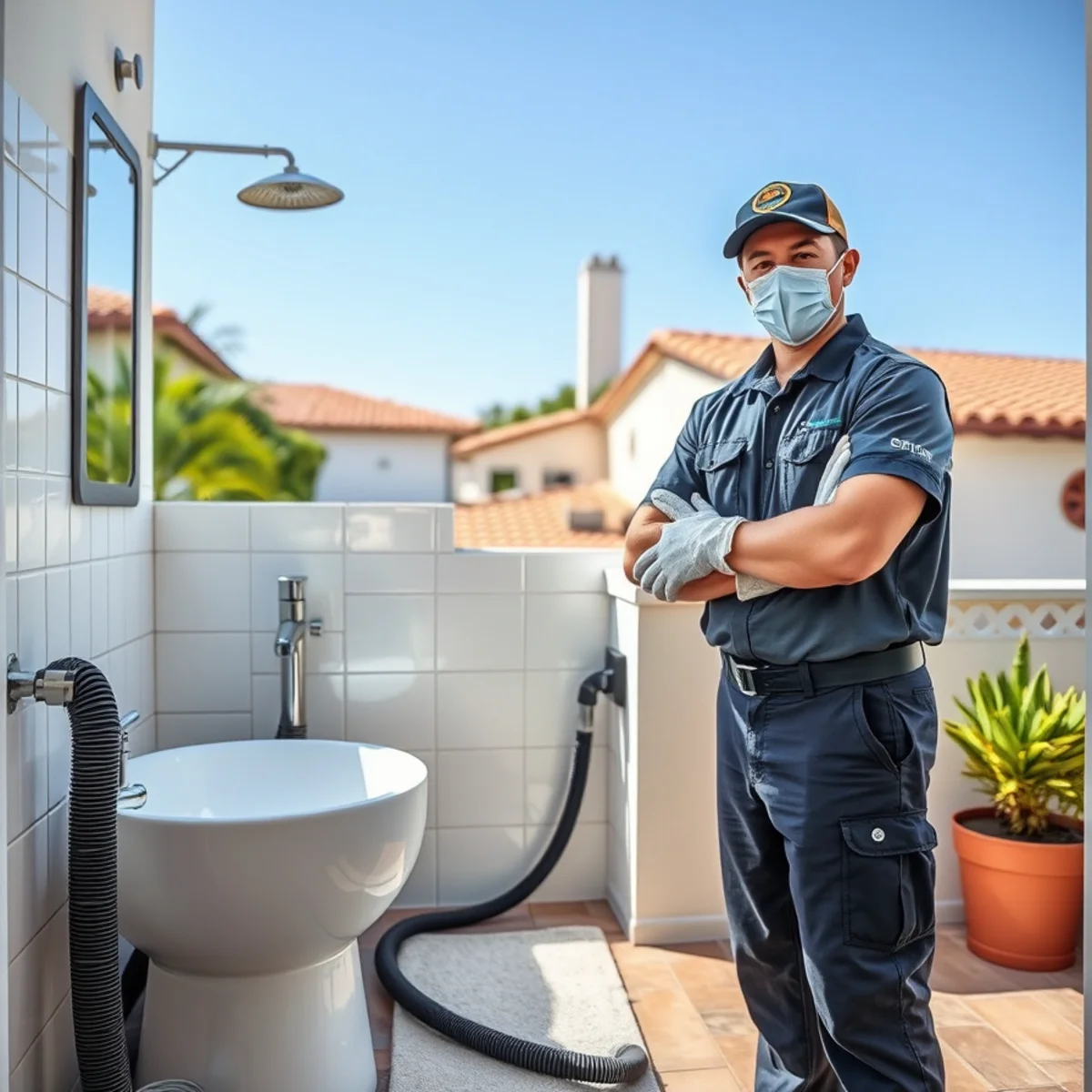
The bowl is filling, not draining, and the water is climbing toward the rim. It is one of the most stressful moments in a home, because it feels like there is nothing to do but watch. There is, and the fix is inches away.
The bigger worry is what is in the water. A clean overflow from the supply side is unpleasant but manageable. Water that backs up from the drain, especially from a sewer line, is Category 3 black water, which carries bacteria and pathogens. In an older bungalow in the Lower East neighborhood, where original clay-tile sewer laterals are still in the ground, a backup can mean the whole line is blocked, not just the toilet.
First stop the water. Then figure out which kind of overflow you are dealing with.
Step 1: Stop the Flow at the Shutoff Valve
Reach behind the toilet, near the floor, and find the oval or football-shaped valve on the supply line. Turn it clockwise until it stops. The tank will stop refilling and the bowl will stop rising. If the valve is corroded or will not budge, take the lid off the tank and push the rubber flapper at the bottom down into its seat by hand, which cuts off water from the tank into the bowl.
Expert tip
Once a year, gently open and close every toilet shutoff valve in the house. Older valves seize in one position, and a stuck valve is useless in the exact moment you need it. If a valve weeps or will not turn, replace it before it fails on you.
Step 2: Figure Out What Kind of Water It Is
This determines everything that follows. Ask one question: where did the water come from?
- Clean supply water, from the tank overflowing while nothing is draining, is the least hazardous but still needs prompt drying
- Grey water, from a bowl that was lightly used, carries some contamination and should not be treated casually
- Black water, from a sewer backup or a bowl containing waste, is Category 3, a biohazard that requires professional handling
Step 3: Contain It and Protect Yourself
If the water is clean, lay towels to stop it from spreading and start soaking it up. If there is any chance it is sewage, stop and protect yourself first. Wear rubber gloves and boots, keep children and pets out of the room, and open a window for ventilation. Do not run a household vacuum through contaminated water, and do not push it toward heating vents or into other rooms.
Step 4: Clear the Blockage Only if It Is Clean
For a simple clog with clean water, a flange plunger, the kind with an extended rubber sleeve, usually clears it. Seat it fully and use firm, steady strokes. If the toilet drains slowly or backs up again, or if other drains in the house gurgle when you flush, the blockage is deeper in the line. Stop plunging. You are dealing with a main-line problem, not a toilet problem.
Step 5: Document and Call for the Right Help
Photograph the overflow and any damaged flooring or baseboards before you clean, for your insurance claim. Clean water on a hard floor you can often handle yourself. Anything involving sewage should go to professionals. Our sewage cleanup crews are trained and equipped to remove Category 3 water, disinfect with antimicrobial treatment, and dispose of contaminated materials safely. For a fast-spreading overflow, emergency water removal gets extraction on site within 30 minutes, and if the water sat long enough to threaten the walls, our mold remediation team handles what grows next.
When an Overflow Is a Real Emergency
A single clogged toilet with clean water is a nuisance. These signs mean it is more than that:
- Multiple fixtures back up at once, or drains gurgle when you flush
- Water or waste comes up through a shower or floor drain
- The overflow contains sewage or gives off a strong sewer odor
- The backup keeps returning after you clear it
- Contaminated water has soaked into carpet, drywall, or subfloor
These point to a blocked or failing sewer lateral, common where aging clay-tile lines serve older homes. In the dense student rentals of Isla Vista, where plumbing sees heavy, constant use, a single blocked lateral can back up several units at once. That is a job for a plumber to clear the line and a restoration crew to handle the contaminated water.
Why Sewage Water Cannot Wait
Black water is not a cleaning problem, it is a health hazard. It carries bacteria and viruses, and the porous materials it touches, carpet, pad, drywall, particleboard, usually cannot be saved and must be removed. On top of that, mold can begin within 24 to 48 hours in our coastal humidity. IICRC-certified technicians extract the water, remove unsalvageable materials, disinfect every affected surface, and dry the structure to a verified moisture level.
An overflowing toilet is a stop-the-water-first problem, and that valve is right behind the bowl. Shut it off, identify the water, and match your response to the risk: clean water you can manage, sewage you should not. Restore Santa Barbara is IICRC-certified, licensed, bonded, and insured, and we handle sewage losses from extraction through disinfection and drying. If a backup has contaminated your home, call (201) 277-9344. A live person answers day or night, and a local crew is ready to respond.
Frequently Asked Questions
How do I stop a toilet from overflowing?
Is toilet overflow water dangerous?
When is a toilet overflow a sewage emergency?
Can I clean up sewage myself?
Services in this article
Areas we serve
Keep reading
 Emergency Guide
What to Do in the First 24 Hours After Water Damage
The first day after water damage decides how bad it gets. Mold can start within 24 to 48 hours, and insurers expect fast action. Here is exactly what to do — and what not to do — in the first 24 hours.
 Emergency Guide
Dishwasher Leaked Overnight and Flooded the Kitchen — Now What?
You wake to water across the kitchen floor and a dishwasher to blame. Here is how to stop the source, get the water out from under the cabinets, and dry it before mold sets in.
 Emergency Guide
Standing Water in the House: Is It Safe to Stay, and Who to Call First?
Standing water in your home raises an urgent question before cleanup even begins: is it safe to stay? The answer depends on the electricity, the contamination, and the structure.