
Standing Water in the House: Is It Safe to Stay, and Who to Call First?
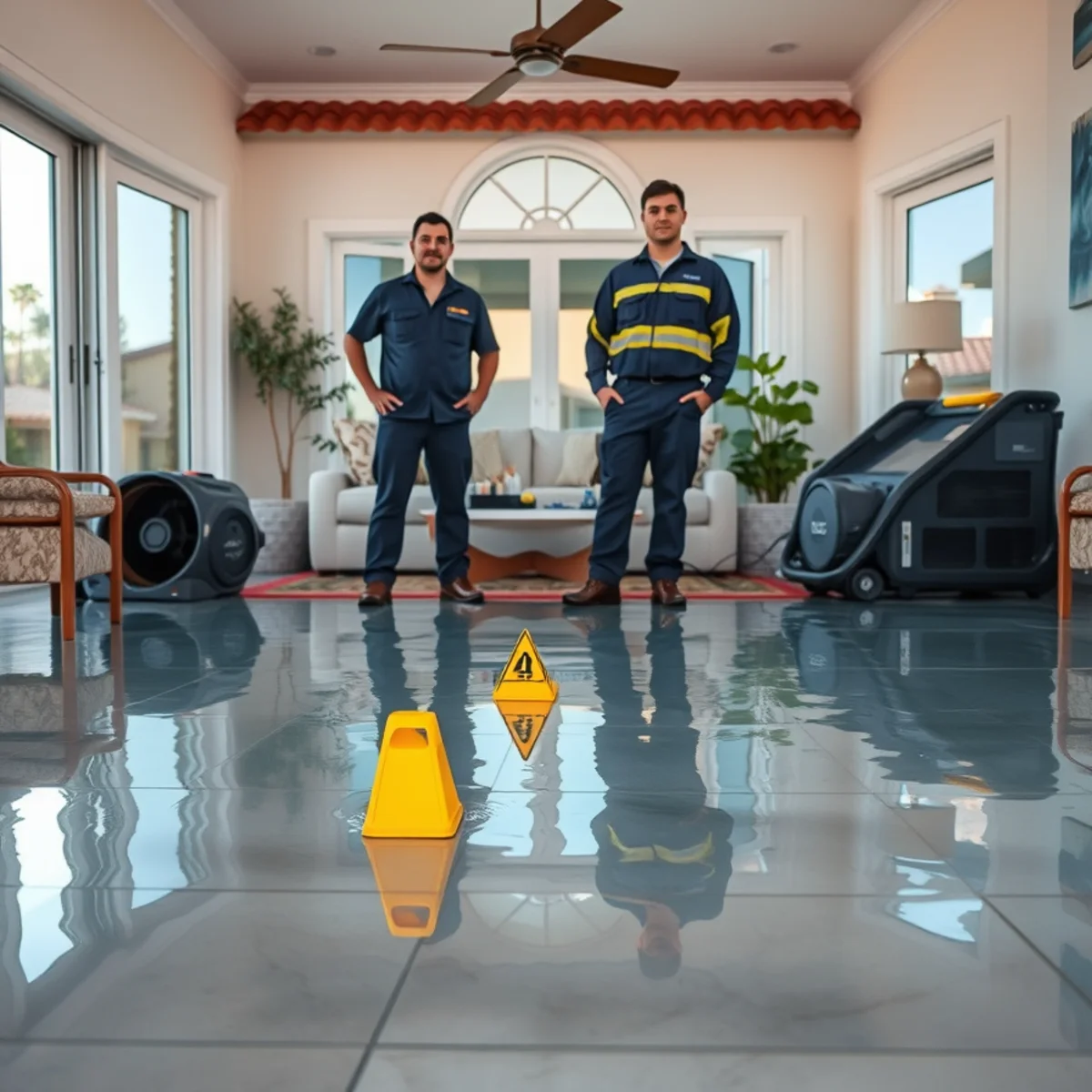
There is standing water across your floor, and before you think about cleanup, you have to answer a more basic question: is it safe to stay in the house at all? It is the right question to ask, and the answer is not always yes.
Standing water brings three hazards that are easy to underestimate: electricity energizing the water, contamination you cannot see, and structural damage that weakens the home. Guess wrong on any of them and a cleanup turns into an injury. In flood-prone parts of the city, like the harbor and beachfront around the Waterfront district, where storm surge and heavy runoff raise the risk, that first safety call matters even more.
Here is how to judge whether to stay, and who to call first.
First Question: Is the Water Near Electricity?
This is the one that can hurt you immediately. If standing water has reached outlets, extension cords, appliances, or the electrical panel, treat the water as energized and do not walk into it.
- If you can reach the breaker panel without stepping in water, shut off the power to the affected areas
- If the only way to the panel runs through the water, stay out and call your utility to cut power at the source
- Never touch electrical devices or switches while standing on a wet floor
- If you see sparks, smell burning, or hear buzzing, leave the house and call for help from outside
Second Question: What Is in the Water?
Clean water from a supply line is one thing. Floodwater and sewage are another. The category of the water determines whether it is safe to be around at all.
- Category 1, clean water from a broken supply line, is the lowest risk but degrades over time
- Category 2, grey water from appliances or overflow, carries contamination and can make you sick
- Category 3, black water from sewage or outdoor flooding, is a biohazard that carries bacteria, chemicals, and debris
Storm flooding that enters from outside is almost always Category 3, because it picks up whatever it crossed on the way in: road oil, landscaping chemicals, sewer overflow. If your standing water came from outside or from a sewer backup, do not wade through it, and keep children and pets well clear.
Third Question: Is the Structure Sound?
Water is heavy, and a lot of it does real structural harm. Look and listen for warning signs before you trust the floor under your feet:
- Sagging or bulging ceilings, which can collapse without much warning
- Buckled or lifting floors, or a spongy feel underfoot
- New cracks appearing in walls, or doors that suddenly will not close
- A foundation or crawl space holding standing water
If the structure looks compromised, leave and have it assessed before you go back in. No belonging is worth being inside a building that is failing.
Expert tip
If you evacuate a flooded home, shut off the main water valve on your way out to stop any ongoing source, and if it is safe to reach, cut the main power at the panel. Then leave the doors you pass through open so a restoration crew can move equipment in quickly when they arrive.
So, Is It Safe to Stay?
Use a simple rule. If the water is clean, shallow, confined to one area, well away from electricity, and the structure is sound, you can usually stay and begin cleanup carefully. Leave the house if any of these are true:
- The water is near outlets, cords, or the panel and you cannot safely cut the power
- The water is sewage or came in from outside flooding
- The ceiling is sagging, the floor is buckling, or the structure looks unstable
- You smell gas, or anyone in the home has trouble breathing
Who to Call First
The order depends on the hazard. If there is an immediate danger, downed power lines, gas, or a collapsing structure, call 911 first. For the water itself, a professional restoration company should be your first cleanup call, because extraction and drying have to happen fast. Our flood cleanup crews handle large-volume standing water and the drying that follows, emergency water removal gets truck-mounted extractors on site within 30 minutes, and when the water is contaminated, our sewage cleanup team removes Category 3 water safely and disinfects everything it touched. We respond across the South Coast, including Goleta and the surrounding communities.
Why Fast Extraction Protects Your Home and Health
Standing water does not improve with time. It wicks into drywall and subfloor, weakens the structure, and in Santa Barbara's coastal humidity feeds mold within 24 to 48 hours. Contaminated water adds a health risk on top of that. IICRC-certified technicians extract the water, remove unsalvageable materials, disinfect with antimicrobial treatment where needed, and dry the structure to a verified moisture level so you can move back in safely.
Before you clean up, make the safety call: check for energized water, identify what is in it, and judge whether the structure is sound. When in doubt, get out and call from a safe spot. Restore Santa Barbara is IICRC-certified, licensed, bonded, and insured, and we handle everything from clean-water flooding to Category 3 sewage. If you are standing in front of a flooded home, call (201) 277-9344. A live person answers any hour, and a local crew will be on the way within 30 minutes.
Frequently Asked Questions
Is it safe to walk through standing water in my house?
When should I leave a flooded house?
Who should I call first when my house floods?
How quickly does standing water cause mold?
Services in this article
Areas we serve
Keep reading
 Emergency Guide
What to Do in the First 24 Hours After Water Damage
The first day after water damage decides how bad it gets. Mold can start within 24 to 48 hours, and insurers expect fast action. Here is exactly what to do — and what not to do — in the first 24 hours.
 Emergency Guide
Dishwasher Leaked Overnight and Flooded the Kitchen — Now What?
You wake to water across the kitchen floor and a dishwasher to blame. Here is how to stop the source, get the water out from under the cabinets, and dry it before mold sets in.
 Emergency Guide
How to Find and Shut Off Your Home's Main Water Valve
The middle of a flood is the worst time to go looking for your main water shutoff. Here is how to find it, how to turn it off, and why every household should know before an emergency.