
Living Near a Burn Scar: What the Thomas Fire Taught Montecito About Flood Risk
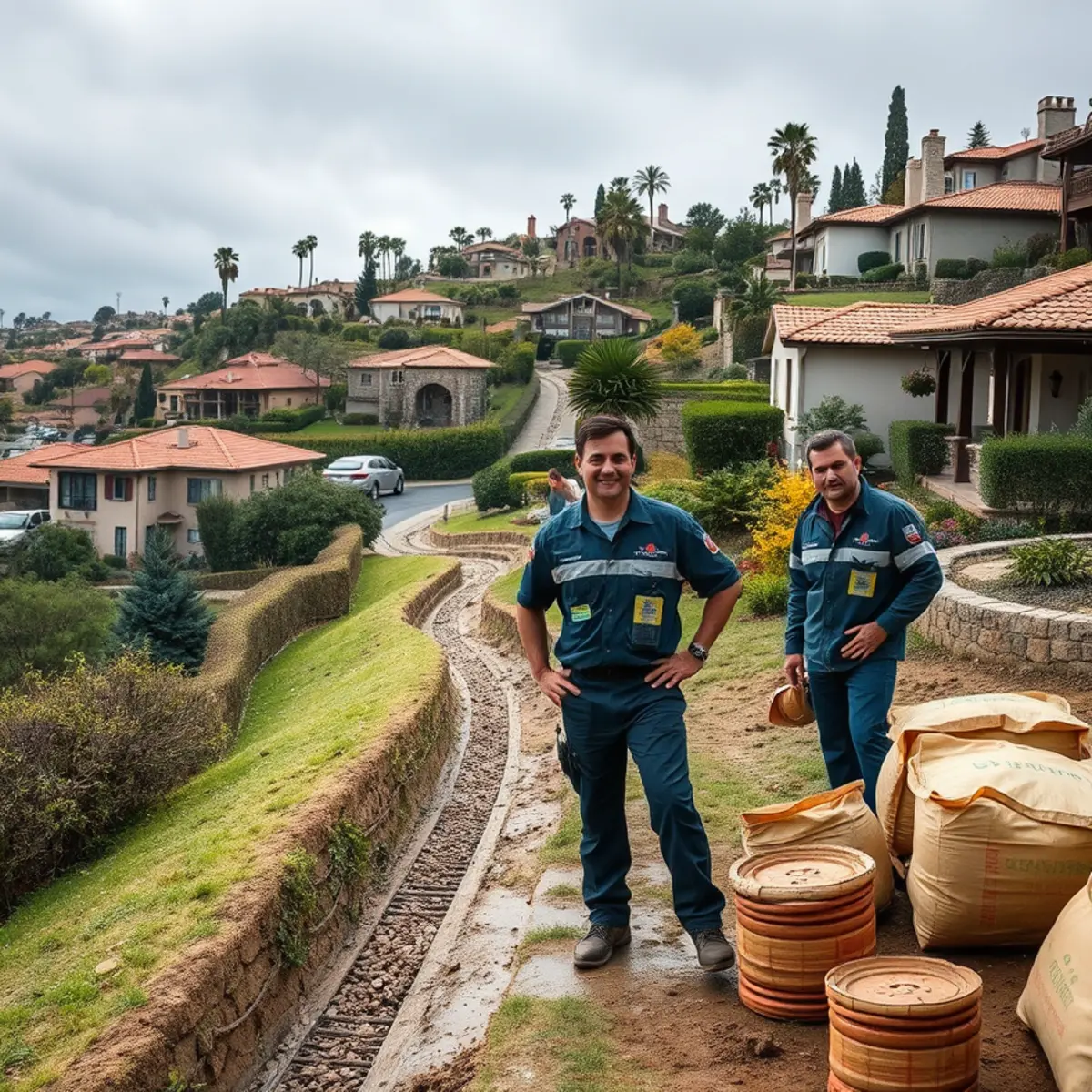
A wildfire does not have to reach your street to change your risk. It can burn miles away, up in the mountains, and still leave your home more exposed to flooding for years afterward. The Thomas Fire and the events that followed taught Montecito that lesson in the hardest way possible, and it is worth understanding for anyone who lives below a burned hillside.
This is a sensitive piece of local history, and we treat it that way. The goal here is not to alarm anyone. It is to explain, plainly, why a burn scar in the hills above you matters when the rain comes.
What a burn scar does to a hillside
A healthy hillside is a sponge. Vegetation slows the rain, roots hold the soil, and the ground soaks up much of what falls. Fire strips all of that away. It burns off the plants that would have caught the rain and the roots that held the slope together.
Intense heat can also bake a water-repellent layer into the soil, so instead of soaking in, rain runs straight off the surface. On a bare, water-repellent slope, a storm that the land would normally absorb becomes fast-moving runoff that picks up loose ash, soil, rock, and debris on the way down.
The Thomas Fire and what followed
The Thomas Fire began in December 2017 and burned roughly 281,000 acres, stripping the mountains above Santa Barbara and Ventura counties. On January 9, 2018, a brief but very intense burst of rain fell on that fresh burn scar above Montecito. The bare slopes could not absorb it, and the runoff triggered debris flows that moved down the canyons and through the community. Twenty-three people lost their lives and more than a hundred homes were destroyed. It remains one of the most devastating events in this area's history, and the memory of it is still close for many of our neighbors.
Why the risk lasts for years, not weeks
The danger does not end when the fire is out. A hillside needs time to recover, for vegetation to grow back and for roots to knit the soil together again. That recovery can take several years, and until it happens the slope keeps shedding water faster than it would have before the fire. Each rainy season on a not-yet-healed burn scar carries elevated risk, which is why officials watch these areas closely for years after a major fire.
Understanding the risk to your home
Not every home below a burn scar faces the same exposure. Risk concentrates where water naturally wants to go. Homes on or just below the mouth of a canyon, near a creek or a drainage channel, or on the historic path a flow has taken before are more exposed than homes on higher, flatter ground away from those channels.
If you live in Montecito or up in the foothills around Toro Canyon, it is worth knowing where the drainages near you run and whether your property sits below recently burned terrain. Local agencies map post-fire hazard zones and maintain debris basins designed to catch material before it reaches homes; knowing which zone you are in shapes every decision you make when a storm is forecast.
- Learn where the creeks, channels, and canyon mouths near your home drain
- Find out whether your property sits within a mapped post-fire hazard or debris-flow zone
- Sign up for county emergency alerts and know your evacuation route before a storm
- Keep gutters, yard drains, and any culverts on your property clear ahead of the rainy season
Safety comes first
When officials issue an evacuation warning or order for a burn-scar area, leave. Property can be cleaned, dried, and rebuilt. During a life-threatening emergency, call 911 and follow the direction of local authorities rather than staying to protect belongings.
After the storm passes
Once an area is declared safe to return to, the recovery work begins, and it is rarely simple. Storm runoff and mud carry contamination, so what looks like a muddy floor is usually a health hazard that needs proper handling. That is when a restoration crew steps in for emergency water removal to get standing water out fast, followed by flood cleanup and full storm damage cleanup to muck out, disinfect, and dry the structure so it does not develop mold on top of everything else.
The bottom line
Living near a burn scar means respecting the hillside above you, staying informed, and taking evacuation warnings seriously every rainy season until the land recovers. If your Montecito or foothill home takes on water or mud after a storm and you need help with the cleanup and drying, call Restore Santa Barbara at (201) 277-9344. A live person answers around the clock, and our IICRC-certified crew works alongside you and your adjuster through the recovery.
Frequently Asked Questions
How long does flood risk stay elevated after a wildfire?
Why is a burned hillside more dangerous in the rain?
What should I do when a storm is forecast for a burn-scar area?
Services in this article
Areas we serve
Keep reading
 Local Santa Barbara
Spike in Your SB City Water Bill? You Might Have a Hidden Leak
An unexplained jump in your city water bill is one of the clearest signs of a hidden leak. Here is the 20-minute meter test to confirm it, and where leaks like to hide in older Santa Barbara homes.
 Local Santa Barbara
Tile Roofs and Water Damage: Why SB's Spanish Red Tile Isn't Always Waterproof
That classic Santa Barbara red-tile roof looks like it could last forever, and the tile nearly can. The waterproofing hidden underneath it cannot. Here is why Spanish tile roofs leak, and where to look before your ceiling does the telling.
 Local Santa Barbara
Santa Ana Wind Damage: How Winter Gusts Turn Into Roof Leaks
Santa Ana winds blow through dry and rainless, and your roof looks fine afterward. Then the next storm arrives and the ceiling starts dripping. Here is how winter wind events quietly set up roof leaks in Santa Barbara.