
Stormwater Got Inside: What's Salvageable After a Flood and What Isn't
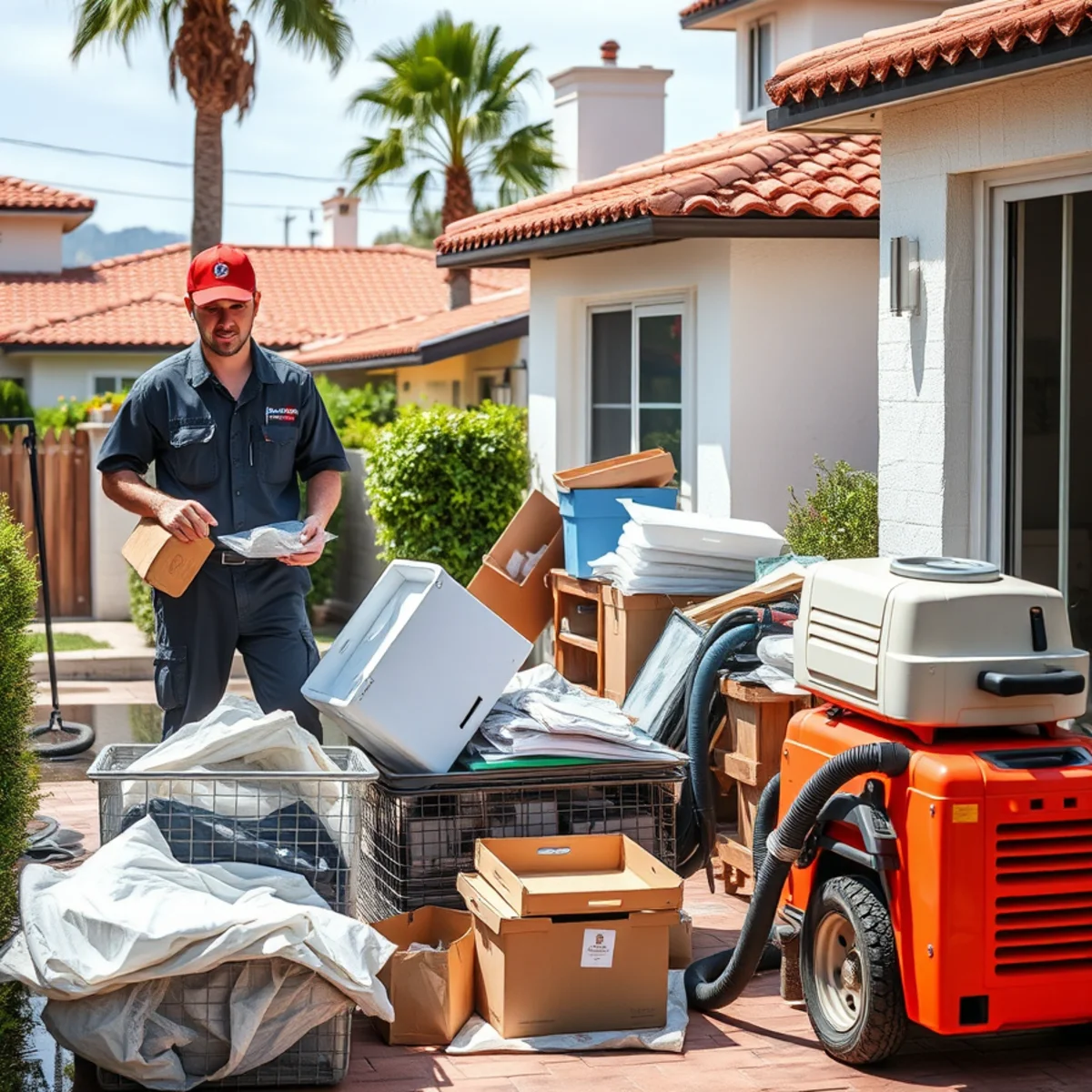
The storm passed, the water receded, and now you are standing in a wet room deciding what to save. It is an overwhelming call to make, especially when everything is soaked and the clock is running.
Winter atmospheric rivers drive Santa Barbara's peak flood risk, and stormwater that comes in under a door or up through a floor drain is rarely clean. What you keep and what you throw out is not really about sentiment or money. It comes down to two things: what the material is, and what was in the water.
First, what kind of water got in?
Floodwater is graded by category, and the category decides the rules. Clean supply-line water is Category 1. Water with some contamination, like washing-machine discharge, is Category 2, or grey. Stormwater that has traveled across the ground, through soil, or past a sewer is Category 3, or black water, which carries bacteria and other pathogens.
Ground-borne storm runoff is almost always treated as Category 3. It picks up whatever it crosses: fertilizer, animal waste, road oil, debris-flow sediment. That single fact drives most of the throw-away decisions below. When water is contaminated, porous items that soaked it up cannot be reliably cleaned.
What almost always has to go
- Carpet and carpet pad that contacted Category 3 water; the pad acts like a sponge and cannot be sanitized
- Upholstered furniture and mattresses that were soaked through
- Particleboard and pressed-wood furniture, which swells and crumbles once wet
- Wet drywall below the water line, which wicks moisture upward and holds contamination
- Insulation that got wet, since it loses its R-value and traps moisture against the framing
- Food, cosmetics, medicine, and anything porous that touched the water
Expert tip
Photograph and video everything before you remove it, and keep a written inventory. Documentation protects your insurance claim, and the average water-damage claim runs close to $13,954, so it is worth doing carefully.
What can often be saved
Non-porous and semi-porous materials have a real chance if they are cleaned and dried quickly. The key word is quickly. Mold can take hold in 24 to 48 hours, so salvage is a race.
- Solid wood furniture, once cleaned, disinfected, and dried slowly so it does not crack
- Hard surfaces like glass, metal, sealed hardwood, and finished tile
- Dishes, cookware, and non-porous kitchenware after thorough sanitizing
- Structural framing, which is often dried in place rather than removed
- Some hardwood flooring, if drying starts before the boards cup and buckle
Move fast in the first hours
Salvage is decided in the first day. The longer water sits, the more it wicks into materials and the more the category degrades. A few safe steps in the first hours protect both your belongings and your claim.
- If you can do it safely, shut off power to the affected area before stepping into standing water.
- Stop the source if it is a plumbing failure, then get people and pets out of the contaminated zone.
- Document everything with photos and video before you move or remove anything.
- Lift what you can off the wet floor: pull rugs, prop up furniture legs, and move valuables to a dry room.
- Call a restoration crew so extraction and drying start before the 24 to 48 hour mold window closes.
Drywall, and why the bottom foot matters
Wet drywall is the decision people get wrong most often. Paper-faced gypsum wicks water upward well above the visible water line, and once it is saturated it loses strength and becomes a mold host. Rather than tear out a whole wall, restorers often make a flood cut, removing the drywall to a clean line above the moisture, then dry the cavity behind it.
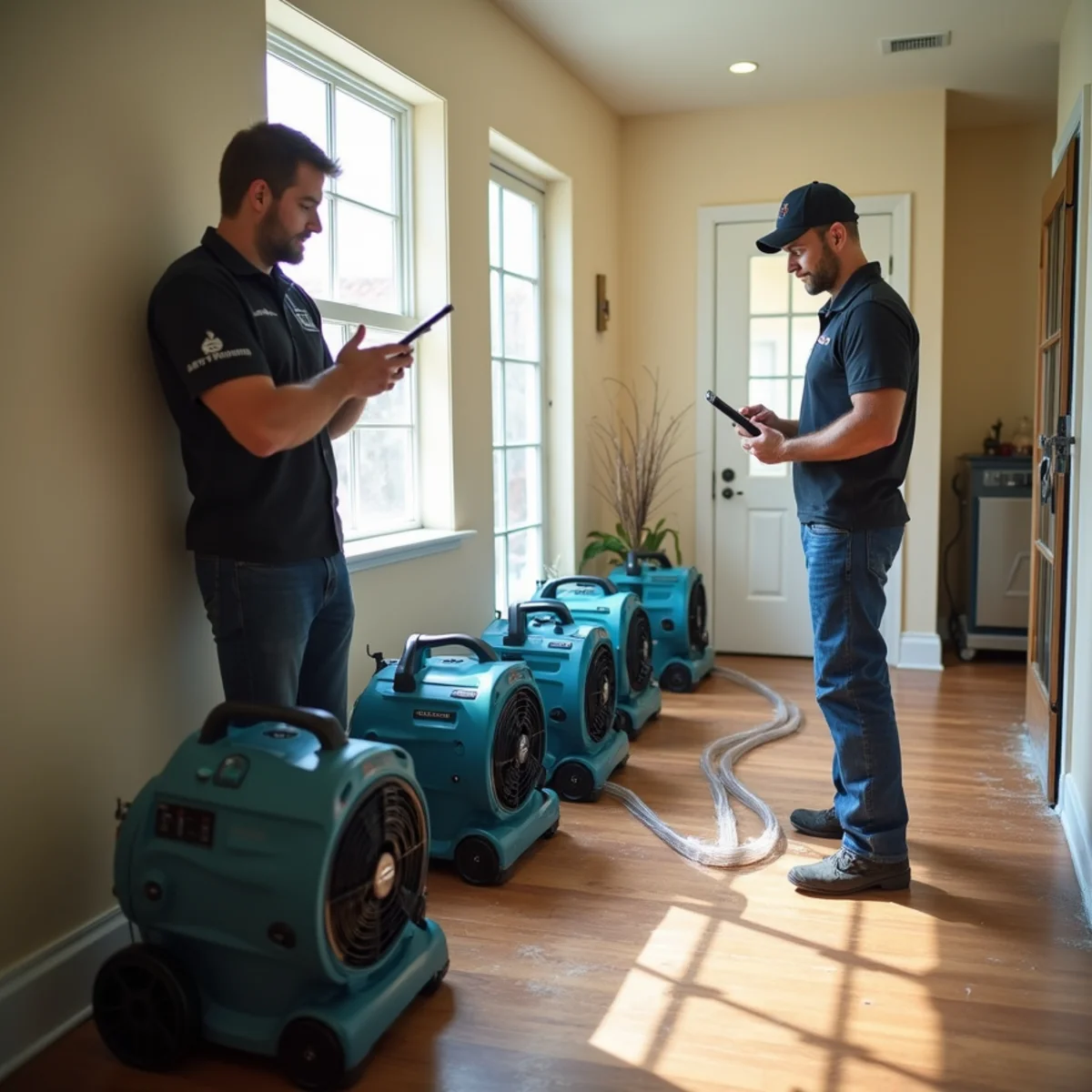
Getting that cavity dry is the whole job. That is where structural drying and dehumidification earns its keep, using air movers and LGR dehumidifiers with daily moisture readings until framing and remaining materials reach the dry standard of comparable dry material in the home.
When the water was sewage
If the flood mixed with a sewer backup, or if it sat for days, treat everything it touched as contaminated. That is not a job for a wet vac and household bleach. Professional sewage cleanup uses containment, protective equipment, controlled removal of porous materials, and antimicrobial treatment to make the space safe again.
Getting the water out first
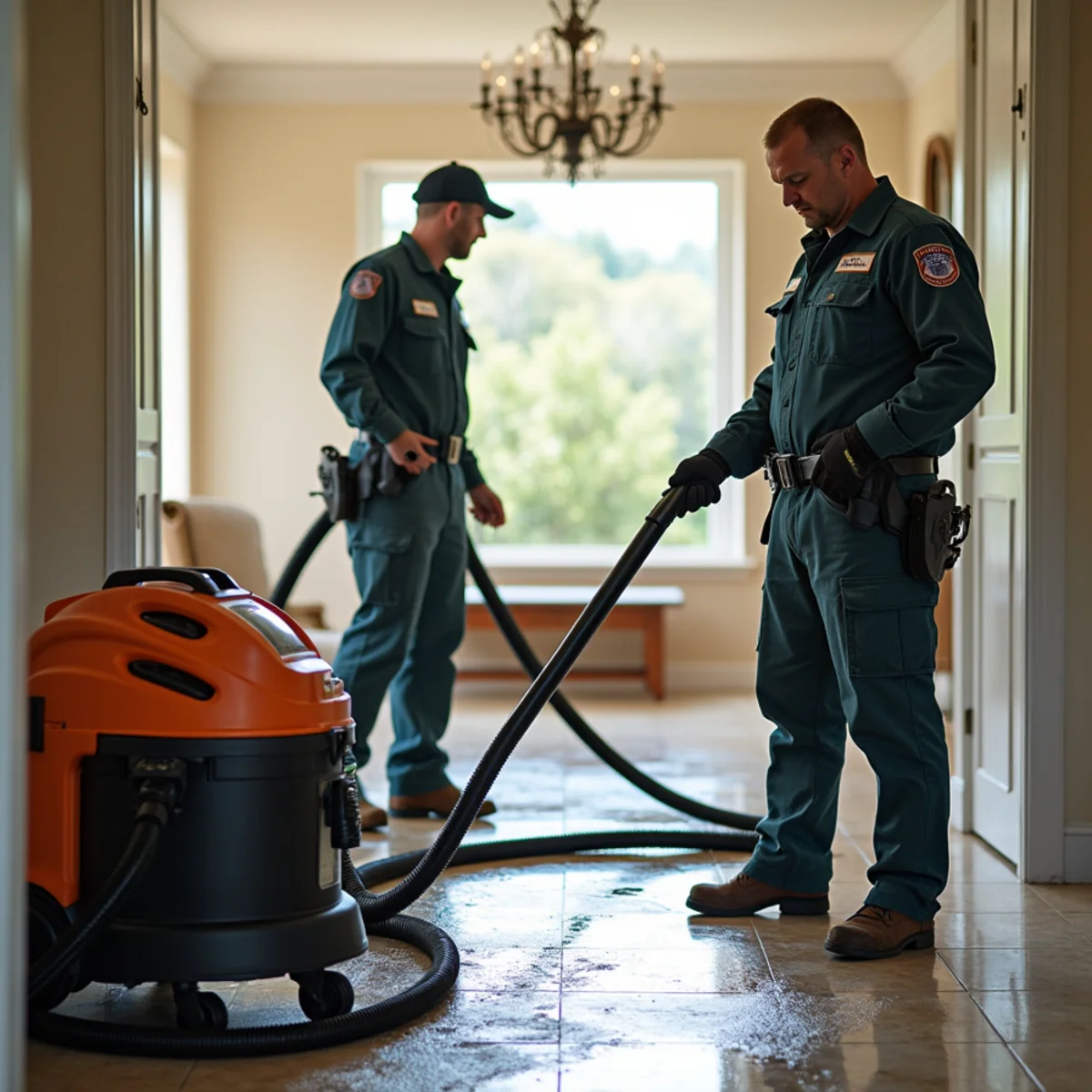
None of these decisions matter until the standing water is gone. Fast, thorough flood cleanup and water extraction with truck-mounted and portable extractors is the first move, because every hour water sits, it wicks into more material and drags more of your belongings into the throw-away column.
We see this pattern across flood-prone Goleta, where Goleta Beach exposure and marine-layer moisture slow drying, and in the harbor and marina district of the Waterfront, which carries the highest flood and storm-surge risk in the city.
The bottom line
When stormwater gets inside, sort by material and by water category, document everything, and move fast. The sooner the water is out and the structure is drying, the more you keep. If a storm has pushed water into your home, call Restore Santa Barbara at (201) 277-9344. A live person answers, and a local crew is on the way to help you save what can be saved.
Frequently Asked Questions
What should you throw away after a flood?
Is stormwater considered clean or contaminated?
Can wet drywall be saved after a flood?
Services in this article
Areas we serve
Keep reading
 How-To
The Water Damage Restoration Process: What to Expect, Step by Step
Once the water is stopped, what actually happens next? Here is the full water damage restoration process, step by step, with a realistic timeline so you know what to expect from the first moisture reading to the final coat of paint.
 How-To
DIY vs. Professional Water Damage Restoration: When to Call a Pro
Some water you can clean up with a mop and a box fan. Some will cost you thousands in hidden mold if you try. The deciding factor is not how handy you are — it is the water, the clock, and how far it spread.
 How-To
How to Choose a Water Damage Restoration Company in Santa Barbara
After a water loss, the company you hire in the first hour shapes how much of your home gets saved — and whether your insurance claim goes smoothly. Here is exactly what to verify before you let anyone start pulling up floors.