
Sewage Backing Up Into the Shower: Causes, Health Risks, and Safe Cleanup
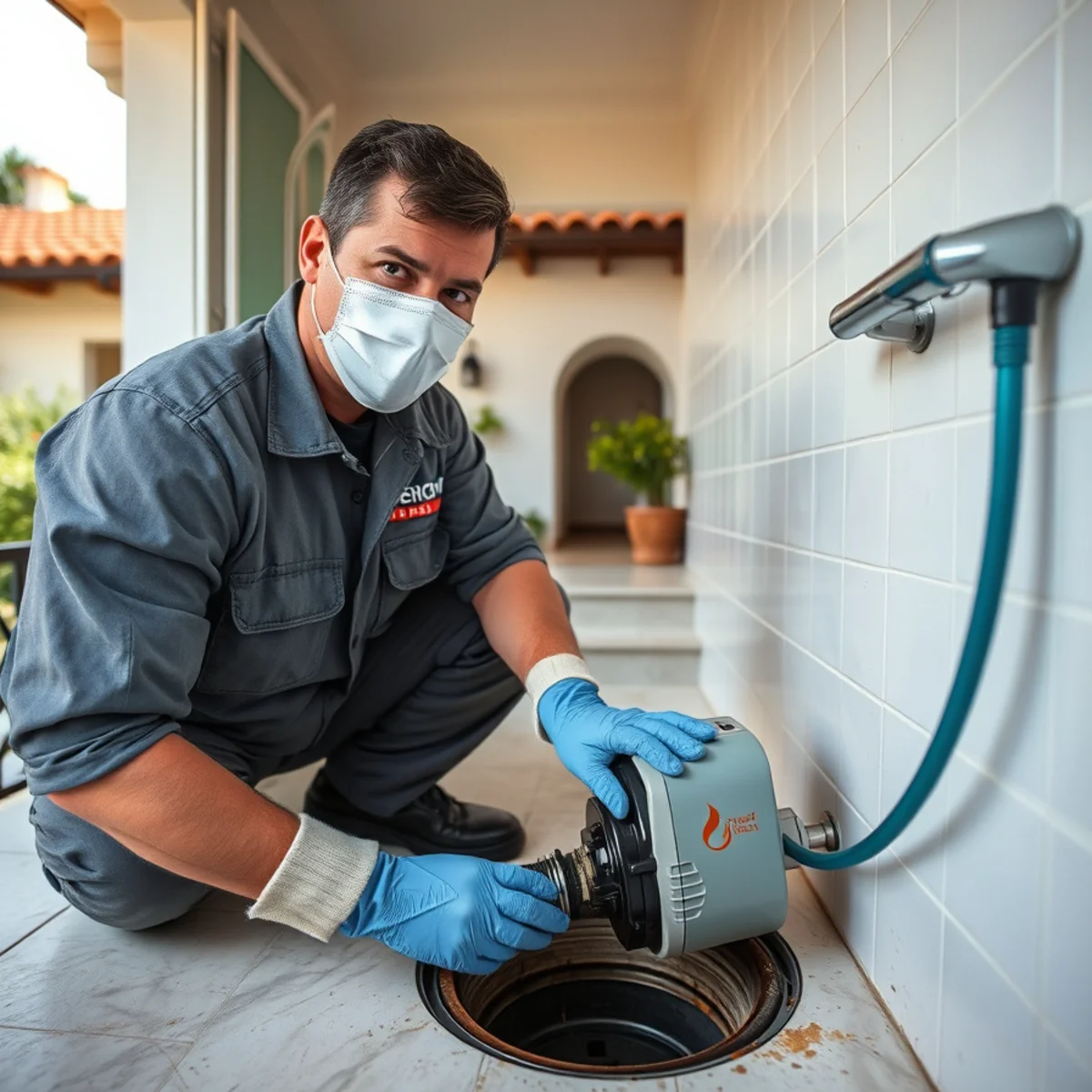
You flush a toilet or run the washing machine, and dirty water wells up through the shower drain at the lowest point in the house. It is one of the more alarming things a home can do, and it is never a small plumbing quirk.
Sewage in the shower is a signal that waste has nowhere else to go. The blockage is downstream, in the main line that carries everything out of the house, so the water backs up and surfaces at the lowest drain it can find. Left alone, it keeps coming, and every gallon is Category 3 black water carrying bacteria and viruses into your living space.
Why sewage comes up through the shower drain
All your fixtures share one main sewer line to the street or septic system. When that line is blocked, waste water cannot exit, so it rises back up the pipes and escapes at the lowest opening, usually a ground-floor shower or tub. If running one fixture causes another to back up, the problem is almost certainly in the main line, not the fixture.
The usual culprits
- Tree roots that have grown into the sewer lateral through pipe joints, the most common cause in older neighborhoods
- A collapsed or cracked clay-tile sewer line, common in Santa Barbara homes built in the 1920s through the 1940s
- Grease, wipes, and non-flushable items compacting into a blockage
- A municipal main backup pushing sewage back toward the house
- Bellied or offset pipe sections where waste collects and eventually clogs
Expert tip
Stop using water immediately. Every flush, sink, and wash cycle adds to the backup. Do not run anything until the line is cleared, and keep people and pets away from the contaminated water.
Why this is a serious health hazard
This is not grey water. A sewer backup is Category 3, the most contaminated class of water, and it carries pathogens like E. coli along with other bacteria, viruses, and parasites. Contact, or even breathing the aerosolized contaminants, can make people sick. Children, older adults, and anyone with a weakened immune system or a respiratory condition are especially at risk. Porous materials it touches, such as bath mats, drywall, flooring, and cabinetry, absorb that contamination and generally cannot be salvaged.
This is why sewage is never a mop-and-bucket job. Household cleaners do not neutralize the biological hazard, and spreading the water around only widens the contaminated area.
What to do before the crew arrives
A few careful moves before help arrives limit how far the contamination spreads.
- Stop running water at every fixture, including anything on a timer like an irrigation or laundry cycle.
- Keep everyone, especially children and pets, out of the affected bathroom.
- Open a window for ventilation if you can, but do not run the HVAC, which can spread contaminants through the ducts.
- Do not try to snake or plunge a main-line backup yourself; it can force contaminated water further into the home.
- Move dry valuables well clear of the area and note what the water has already touched.
How safe sewage cleanup actually works
- Contain the area. We isolate the affected space and set up controlled access so contamination does not spread through the home.
- Extract and remove. Truck-mounted extractors pull out the black water, and porous contaminated materials are bagged and removed.
- Clean and disinfect. Every affected hard surface is cleaned and treated with an antimicrobial, and HEPA filtration captures airborne contaminants.
- Dry to standard. Air movers and LGR dehumidifiers dry the structure, with moisture readings logged until materials reach the dry standard.
That full process is what professional sewage cleanup is built for, done by IICRC-certified technicians in proper protective equipment. It is the safe way to make a contaminated bathroom livable again.
Find out why it happened
Clearing the backup is only half the job. If the cause is roots or a broken lateral, it will happen again. Camera-based leak detection and line inspection locates the blockage or break so it can be fixed at the source instead of snaked and forgotten.
Watch for mold afterward
Even after cleanup, any moisture that reached wall cavities or subfloor can seed mold within 24 to 48 hours, and Santa Barbara's coastal humidity speeds that up. If contamination soaked into materials before removal, mold remediation with containment and HEPA air scrubbing keeps spores from spreading beyond the bathroom.
We see this often in the older homes of Oak Park, among the city's oldest housing beside the creek, and in the 1920s bungalows of the Lower East side, where original clay-tile sewer lines are prime targets for root intrusion and collapse.
Do not wait on a sewer backup
Sewage rising through a shower drain is a health emergency and a warning about your main line. Shut the water off, keep everyone clear, and get a certified crew in. Restore Santa Barbara answers the phone around the clock at (201) 277-9344, dispatches a local team fast, and handles both the contaminated cleanup and the reason it happened.
Frequently Asked Questions
Why is sewage coming up through my shower drain?
Is a sewage backup dangerous?
Can I clean up a sewage backup myself?
Services in this article
Areas we serve
Keep reading
 How-To
The Water Damage Restoration Process: What to Expect, Step by Step
Once the water is stopped, what actually happens next? Here is the full water damage restoration process, step by step, with a realistic timeline so you know what to expect from the first moisture reading to the final coat of paint.
 How-To
DIY vs. Professional Water Damage Restoration: When to Call a Pro
Some water you can clean up with a mop and a box fan. Some will cost you thousands in hidden mold if you try. The deciding factor is not how handy you are — it is the water, the clock, and how far it spread.
 How-To
How to Choose a Water Damage Restoration Company in Santa Barbara
After a water loss, the company you hire in the first hour shapes how much of your home gets saved — and whether your insurance claim goes smoothly. Here is exactly what to verify before you let anyone start pulling up floors.