
The January 9, 2018 Montecito Debris Flow: A Post-Wildfire Case Study
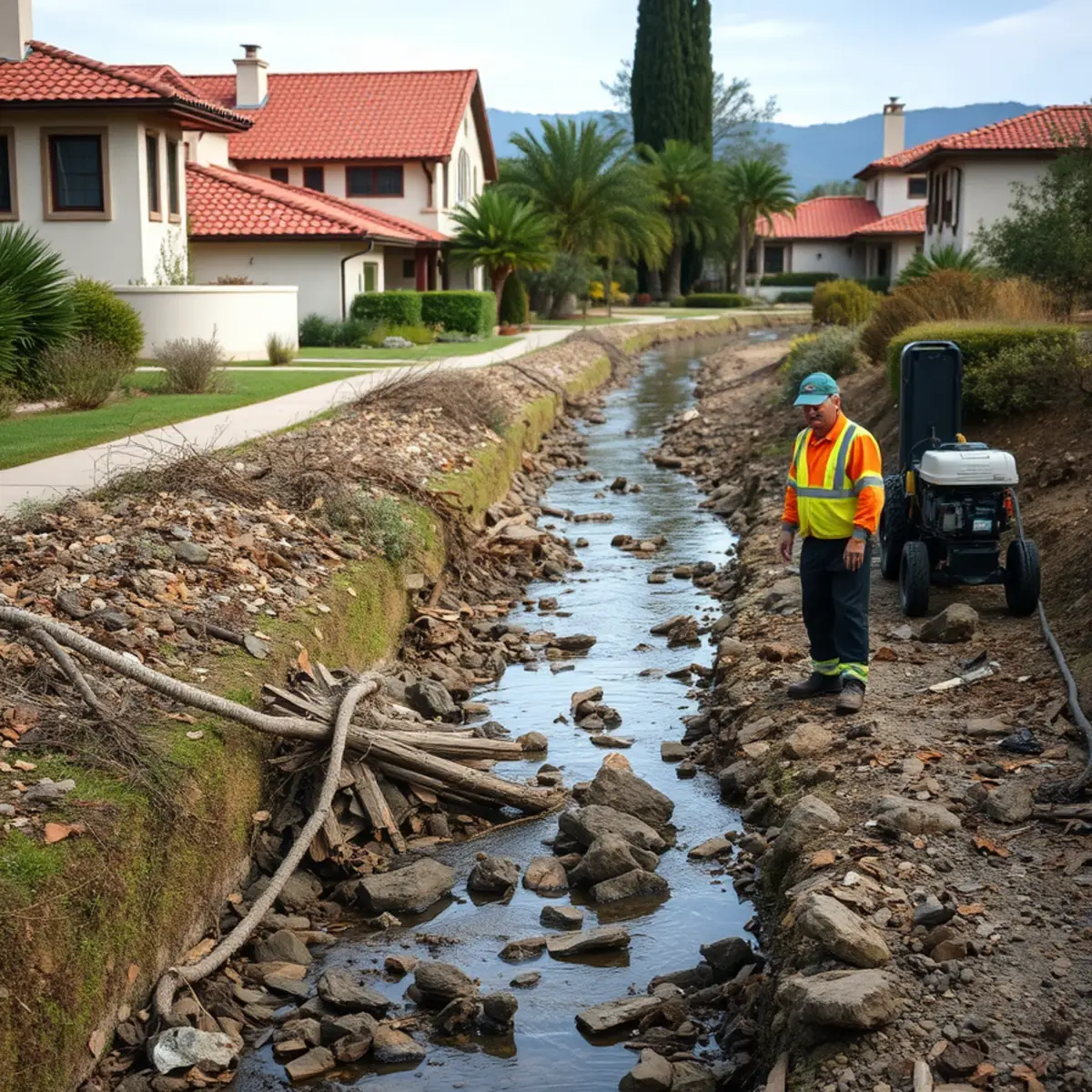
Some disasters are worth studying carefully, not to relive them, but to understand them well enough to be safer next time. The January 9, 2018 Montecito debris flow is one of those. It is now one of the most examined post-wildfire events in California, and looking at how it unfolded explains a great deal about flood risk in a fire-prone coastal community like ours.
We approach this history with respect. Twenty-three people lost their lives and more than a hundred homes were destroyed. The purpose here is to explain the mechanism and the recovery, plainly and without graphic detail, so the lessons carry forward.
The setup: fire came first
The Thomas Fire ignited in December 2017 and burned roughly 281,000 acres across Santa Barbara and Ventura counties, one of the largest wildfires in modern California history at the time. It swept the steep mountains directly above Montecito, stripping away the vegetation that normally holds those slopes and shields them from rain. Intense heat can also leave a water-repellent layer in the soil, so the ground loses much of its ability to absorb water. The stage for what followed was set weeks before a drop of rain fell.
The trigger: intense rain on a burn scar
On January 9, 2018, a short but extraordinarily intense burst of rain moved over the fresh burn scar. The bare, water-repellent slopes could not soak it up. Instead the water sheeted off almost instantly, gathering in the canyons above town, gaining speed and force and scooping up soil, rock, and the debris the fire had left behind. What came down the drainages was no longer just water. It was a fast, heavy slurry of mud, boulders, and debris moving through the canyon mouths and across the community below.
Why a debris flow is not a flood
This distinction matters for anyone trying to understand the risk. A flood is water, and water finds its level and eventually recedes. A debris flow is water carrying an enormous load of solid material, which gives it far more mass and destructive force and lets it move large objects. For restoration and recovery, the differences are practical:
- The material left behind is dense mud and rock, not just standing water, so removal is heavy, physical work
- That mud is contaminated. Post-disaster flow mixes soil, organic matter, fuel, sewage, and debris, which puts it squarely in the Category 3 black-water range
- Structures take direct impact loads, so what remains standing still has to be assessed before anyone works inside
- Once the mud is out, the soaked structure must be dried thoroughly or mold follows within days
What recovery actually involves
Recovering a structure after a post-wildfire flow is a staged process, and each stage has to be done before the next. First the standing water and the bulk of the mud have to come out. Because that material is contaminated, the work overlaps heavily with sewage cleanup: removal, disposal, and disinfection handled with proper containment and protective equipment, not a garden hose. From there it becomes flood cleanup and broader storm damage cleanup, stripping soaked and unsalvageable materials, cleaning and sanitizing what remains, and then drying the structure completely so the marine layer does not turn a cleaned home into a mold problem a week later.
Neighborhoods across Montecito, from the flats near the water up to quieter enclaves like Ennisbrook, sit within the natural drainage geography of the canyons above, which is exactly why understanding the terrain around your own home matters so much here. If you live anywhere in Montecito, knowing where the water above you wants to go is part of knowing your risk.
The lessons that endure
The 2018 event reshaped how this region prepares. Debris basins have been evaluated and improved to catch material before it reaches homes. Warning systems, rainfall thresholds, and evacuation planning for burn-scar areas are taken more seriously and communicated earlier. And the core lesson for homeowners is simple: after a major fire, elevated risk persists for years while the slopes recover, and an evacuation warning during that window is not something to second-guess.
Property can be cleaned, dried, and rebuilt. People cannot be replaced. When officials call for an evacuation in a burn-scar area, that call is the plan.— Restore Santa Barbara
The bottom line
The January 2018 debris flow is a lasting reminder that in a fire-prone coastal region, fire and flood are two ends of the same risk. Understanding how it happened helps every homeowner make better decisions when the next storm lines up over a burn scar. If your home is affected by flooding or debris after a storm and you need help with the cleanup, disinfection, and drying, call Restore Santa Barbara at (201) 277-9344. A live person answers around the clock, and our IICRC-certified crew works with you and your adjuster through the recovery.
Frequently Asked Questions
What caused the January 9, 2018 Montecito debris flow?
What is the difference between a flood and a debris flow?
Why does post-flood mud need special handling?
Services in this article
Areas we serve
Keep reading
 Local Santa Barbara
Spike in Your SB City Water Bill? You Might Have a Hidden Leak
An unexplained jump in your city water bill is one of the clearest signs of a hidden leak. Here is the 20-minute meter test to confirm it, and where leaks like to hide in older Santa Barbara homes.
 Local Santa Barbara
Tile Roofs and Water Damage: Why SB's Spanish Red Tile Isn't Always Waterproof
That classic Santa Barbara red-tile roof looks like it could last forever, and the tile nearly can. The waterproofing hidden underneath it cannot. Here is why Spanish tile roofs leak, and where to look before your ceiling does the telling.
 Local Santa Barbara
Santa Ana Wind Damage: How Winter Gusts Turn Into Roof Leaks
Santa Ana winds blow through dry and rainless, and your roof looks fine afterward. Then the next storm arrives and the ceiling starts dripping. Here is how winter wind events quietly set up roof leaks in Santa Barbara.