
Hidden Leak Symptoms: Warm Floor Spots, High Bills, and Running Water
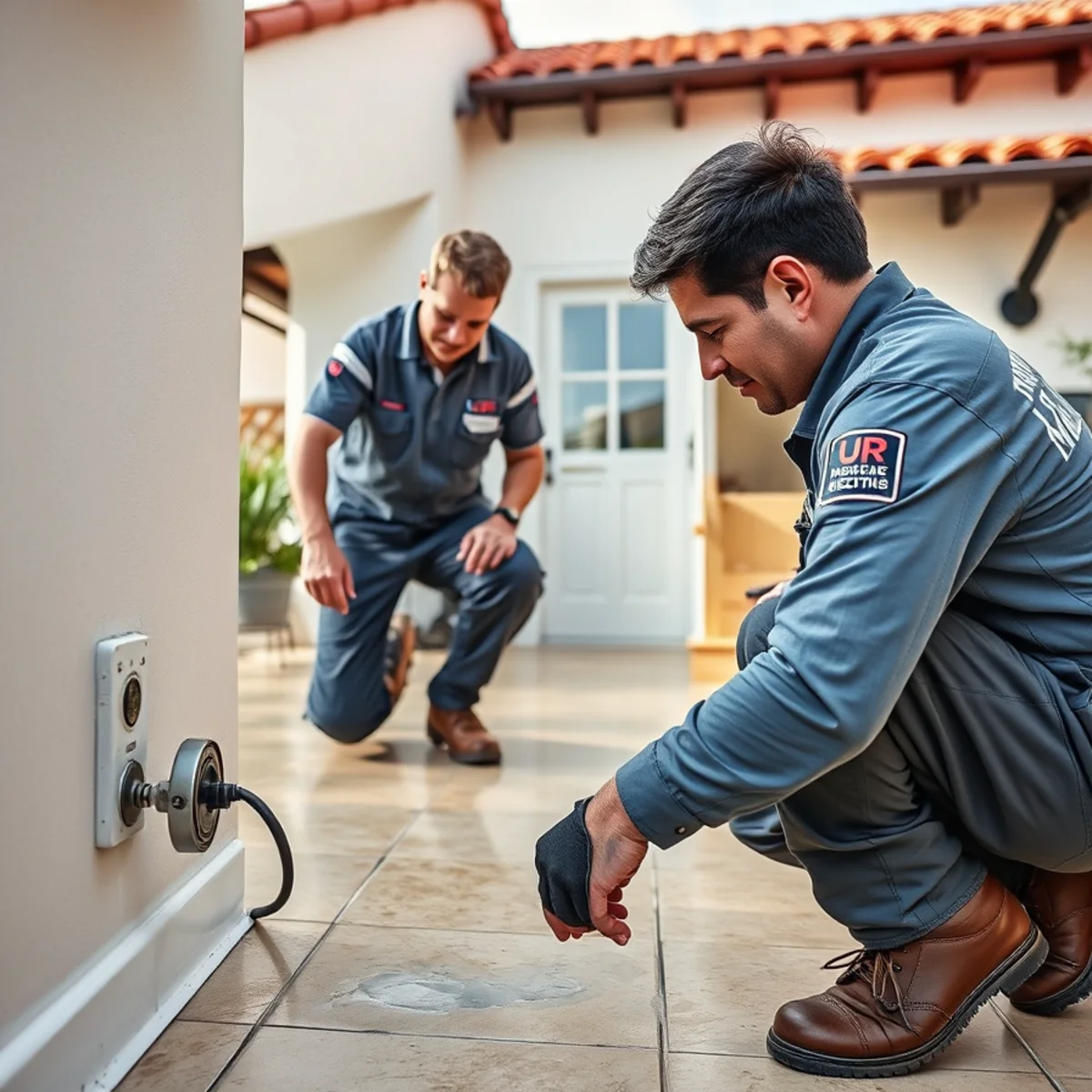
The worst leaks are not the dramatic ones. A burst pipe announces itself. The leaks that quietly rot a subfloor or run up a thousand-dollar water bill are the ones you cannot see, hidden inside a wall, under a slab, or beneath the floor.
By the time a hidden leak shows an obvious stain, it has usually been running for weeks or months. It has been feeding mold, weakening framing, and wasting water the whole time. The homeowners who catch these early are the ones who learned to read the subtle signs before the ceiling gave them an obvious one.
The signs of a hidden water leak
A water bill that jumped for no reason
This is the single most reliable clue. If your usage climbs with no change in habits, water is going somewhere. A running toilet is the easy explanation, but a steady, unexplained increase often means a supply line is leaking inside a wall or under the slab.
The sound of running water with everything off
Shut off every fixture and appliance, then listen. A faint hiss, trickle, or rushing sound in a wall or floor means pressurized water is still moving through a break somewhere. It is one of the clearest signs of a pressurized supply-line leak.
Warm spots on the floor
An unexplained warm patch on a tile or concrete floor is a classic symptom of a hot-water slab leak. The hot line runs under the slab, and where it leaks, it warms the floor above. If a spot on the floor is warm and you did not put it there, take it seriously.
Other tells
- A persistent musty or earthy smell with no visible source
- Stains, bubbling paint, or soft spots on walls, ceilings, or floors
- Mold or mildew appearing in one area repeatedly
- The water meter dial moving when no water is running
- Cracks appearing in flooring or foundation, or floors that feel uneven
Expert tip
Run the meter test. Turn off all water in the house, note the meter reading, and check it again in one to two hours. If it moved, water is leaking somewhere on your side of the meter.
Why hidden leaks are so damaging
A hidden leak does its worst work out of sight. It keeps materials continuously wet, and that constant moisture is exactly what mold needs to establish within 24 to 48 hours. It saturates framing and subfloor, and over months it can compromise the structure. Because the water is trapped, it rarely dries on its own, especially in our coastal humidity.
The homes most at risk are older ones on original plumbing. Many Santa Barbara houses still run on galvanized supply lines and aging pipe that has reached the end of its service life, and a pinhole in a concealed line can leak for a long time before anyone notices.
Finding the source without guesswork
The mistake is opening walls at random hoping to find the leak. There is a better way. Professional leak detection uses acoustic listening equipment, thermal imaging cameras, and moisture meters to pinpoint the source behind the finish, so only the right spot gets opened.
When the warm-floor and running-water signs point under the concrete, that is a slab leak, which has its own detection and repair path, because reaching a line under a foundation is a different job from a leak in a wall.
And once the leak is found and stopped, any water that already escaped has to come out. Water extraction and drying removes what soaked into the structure and brings materials back to the dry standard before mold and rot set in.
We see hidden leaks throughout the hillside neighborhoods. On the winding streets of the Riviera, older Spanish estates and view homes sit on steep drainage where a slow leak can travel before it surfaces, and among the custom foothill homes of Hidden Valley, original 1960s and 70s plumbing is aging out and prone to concealed pinhole leaks.
What to do when you suspect a hidden leak
If the signs are adding up, a few steps help you confirm the problem and hand a pro a head start.
- Run the meter test to confirm water is moving with everything shut off.
- Check the easy sources first: toilets, the water heater, and under-sink supply lines.
- Note where the signs cluster, such as a warm floor spot or a recurring stain, to help narrow the location.
- Do not open walls or floors at random; that adds damage without finding the source.
- Call for professional detection so the leak is pinpointed and stopped before it feeds mold or rot.
Trust the signs
A jump in the water bill, running water you cannot see, a warm spot on the floor: these are your house telling you about a leak before the damage becomes obvious. Do not wait for the stain. If you are seeing the signs of a hidden leak, call Restore Santa Barbara at (201) 277-9344. We can pinpoint the source, stop the loss, and dry out what the leak left behind.
Frequently Asked Questions
What are the signs of a hidden water leak?
How can I check for a hidden leak myself?
Why is a warm spot on the floor a sign of a leak?
Services in this article
Areas we serve
Keep reading
 How-To
The Water Damage Restoration Process: What to Expect, Step by Step
Once the water is stopped, what actually happens next? Here is the full water damage restoration process, step by step, with a realistic timeline so you know what to expect from the first moisture reading to the final coat of paint.
 How-To
DIY vs. Professional Water Damage Restoration: When to Call a Pro
Some water you can clean up with a mop and a box fan. Some will cost you thousands in hidden mold if you try. The deciding factor is not how handy you are — it is the water, the clock, and how far it spread.
 How-To
How to Choose a Water Damage Restoration Company in Santa Barbara
After a water loss, the company you hire in the first hour shapes how much of your home gets saved — and whether your insurance claim goes smoothly. Here is exactly what to verify before you let anyone start pulling up floors.