
How Pros Find Slab Leaks Without Tearing Up Your Whole Floor
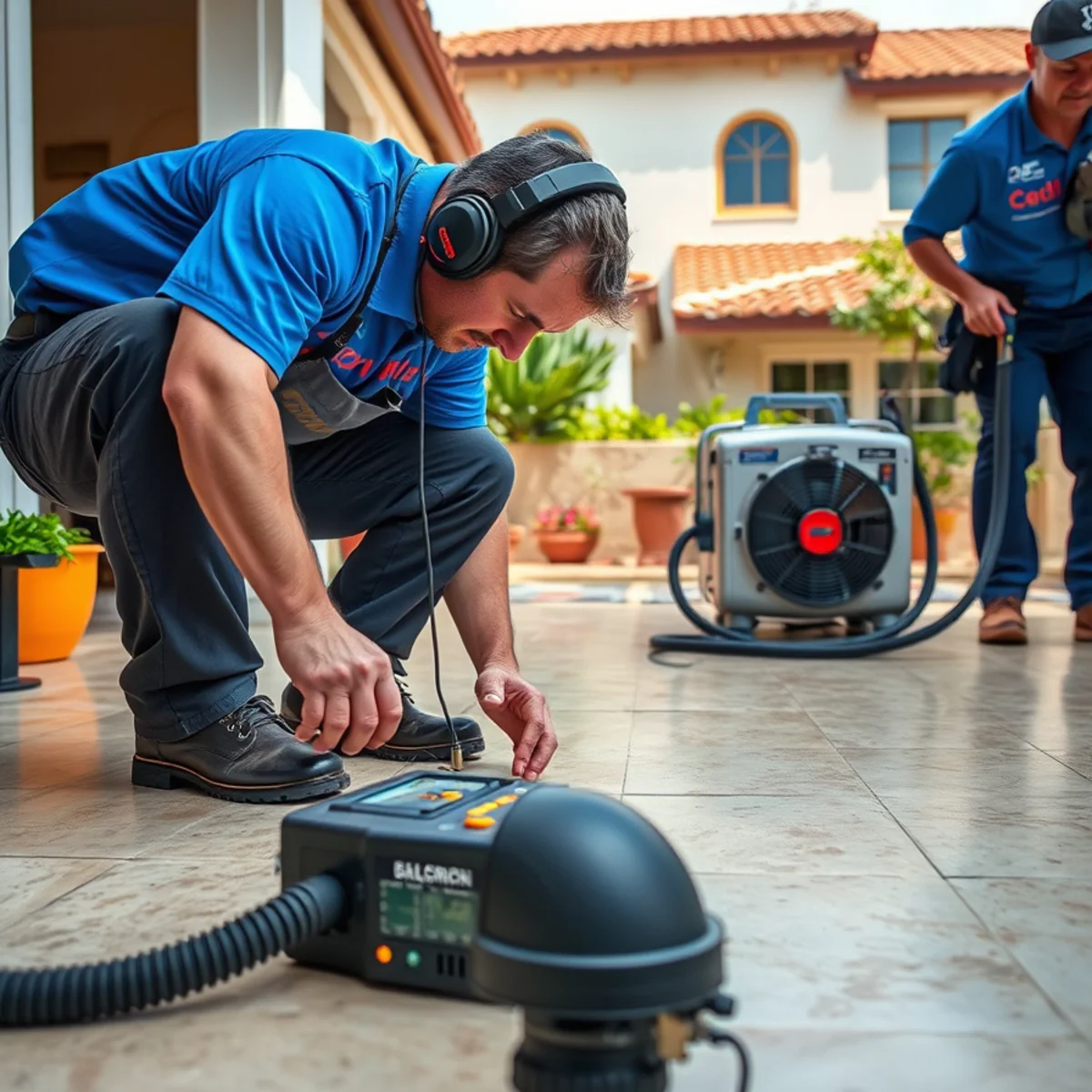
The words slab leak sound like the start of an expensive demolition: a jackhammer through the living room floor, dust everywhere, and a guessing game about where the pipe actually broke. It is the image that makes homeowners put off dealing with it.
Here is what that fear gets wrong. A slab leak that is ignored does far more damage than the repair. Water under the foundation erodes the soil, wicks up into flooring and walls, and feeds mold. The goal is not to avoid finding it. The goal is to find it precisely, so the fix is a small opening instead of a torn-up floor. Modern detection makes that possible.
What a slab leak is
A slab leak is a break in a water line that runs beneath the concrete foundation of the house. It can be a hot or cold supply line. Under the constant pressure of a supply line, even a pinhole releases a surprising amount of water, and because it is under the slab, it can run for a long time before the signs reach the surface.
The signs that point under the slab
- A warm spot on the floor, which usually indicates a hot-water line leak
- The sound of running water when every fixture is off
- An unexplained spike in the water bill
- Cracks in flooring or the foundation, or a section of floor that feels damp
- Low water pressure, or a water heater that runs constantly
How pros pinpoint a slab leak without demolition
The whole point of professional detection is to locate the leak to within inches before opening the slab. That is done with a combination of non-invasive tools, not by breaking concrete and looking.
Acoustic listening equipment
Pressurized water escaping a pipe under concrete makes a distinct sound. Sensitive ground microphones and listening discs amplify that sound, and a trained technician moves across the floor to find where it is loudest, which is directly over the leak.
Thermal imaging
A thermal imaging camera reads surface temperature differences. A hot-water slab leak warms the floor and soil above it, and the camera shows that heat signature, narrowing the search area quickly and without contact.
Pressure testing and line isolation
By isolating the hot and cold systems and watching pressure, a technician can determine which line is leaking. That tells us whether to trace the hot or cold supply and rules out large sections of pipe.
Tracer gas and line tracing
For a stubborn leak, technicians introduce a safe tracer gas into the isolated line. The gas escapes at the break and rises through the slab, where a sensitive detector finds it. Electronic line tracing maps exactly where the pipe runs so nothing is opened blindly.
Expert tip
The location matters as much as the leak. Pinpointing to within inches is what lets a repair be a small, targeted opening instead of exploratory demolition across the room. Precision is the entire value of professional detection.
Why precision protects your home
Every one of these methods exists to answer one question exactly: where is the water coming from? Professional leak detection combines acoustic, thermal, and pressure methods so the answer is a specific spot, not a general area. From there, the slab leak repair and water damage work can address the break through the smallest possible access.
And because a slab leak has usually been wetting materials for a while, the last step is drying what it soaked. Structural drying and dehumidification uses air movers and LGR dehumidifiers with logged moisture readings to bring flooring and framing back to the dry standard, which also shuts the door on the mold that thrives on trapped moisture within 24 to 48 hours.
This precision matters most in our hillside homes. Among the custom foothill properties of Hidden Valley, original 1960s and 70s plumbing under the slab is reaching the age where pinhole leaks start, and across the Spanish-style homes of Eucalyptus Hill, original clay-pipe and aging systems make accurate detection essential to avoid tearing up historic floors.
Once the leak is found, how it gets fixed
Pinpointing the leak opens up repair options that do not involve tearing up the whole floor. For a single break, a spot repair through a small access opening is often enough. When a line has failed in several places or the pipe is at the end of its life, rerouting that line overhead or through the walls avoids the slab entirely. In some cases the existing pipe can be relined from the inside. Which path makes sense depends on the location and condition the detection revealed, not on guesswork.
You do not have to tear up the floor
A slab leak is serious, but finding it does not require demolishing your home. With acoustic listening, thermal imaging, pressure testing, and tracer gas, a slab leak can be located to within inches before a single tile is lifted. If you suspect a leak under your foundation, call Restore Santa Barbara at (201) 277-9344. We pinpoint it precisely, then dry and restore what the water reached.
Frequently Asked Questions
How do professionals detect a slab leak under concrete?
Can a slab leak be found without tearing up the floor?
What are the signs of a slab leak?
Services in this article
Areas we serve
Keep reading
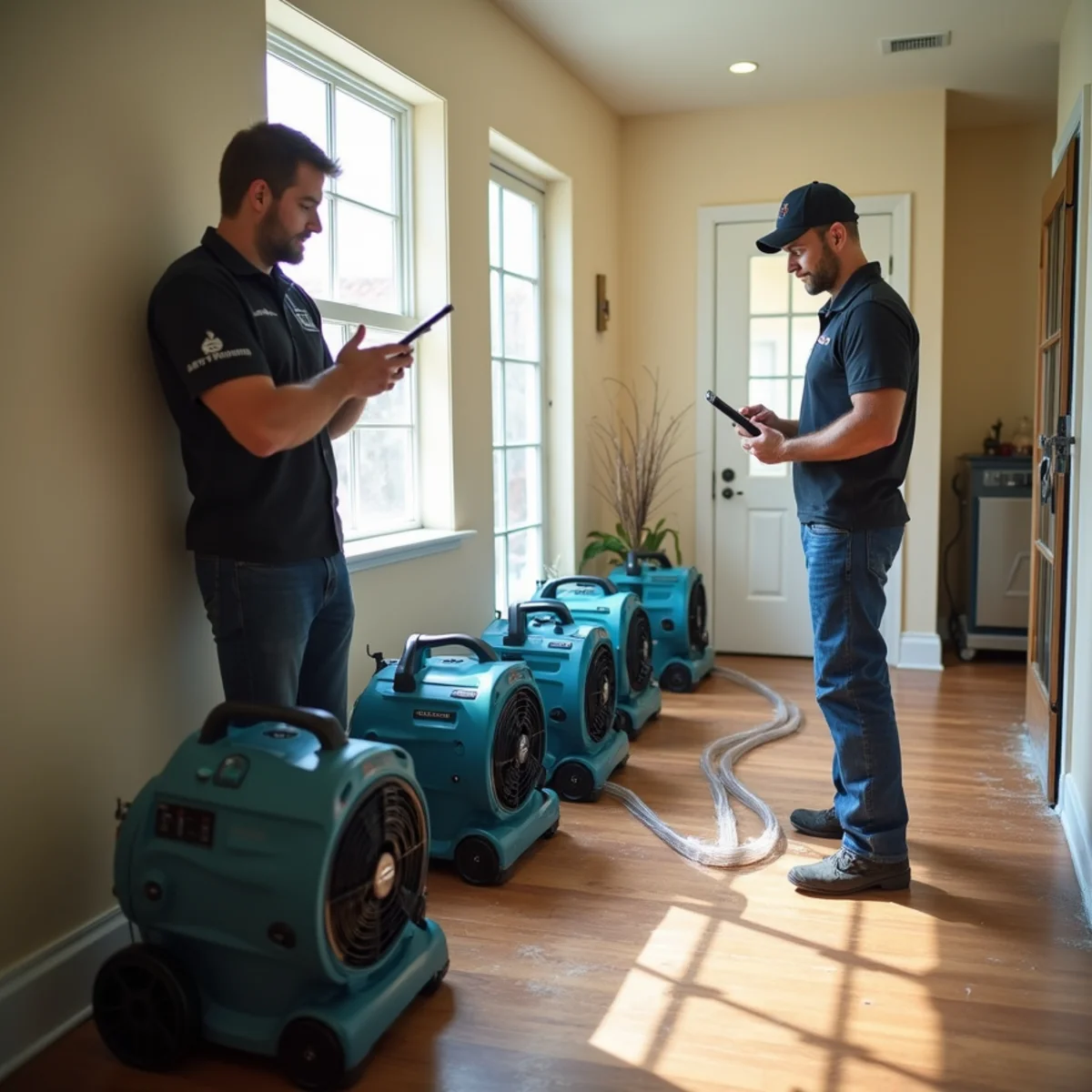 How-To
The Water Damage Restoration Process: What to Expect, Step by Step
Once the water is stopped, what actually happens next? Here is the full water damage restoration process, step by step, with a realistic timeline so you know what to expect from the first moisture reading to the final coat of paint.
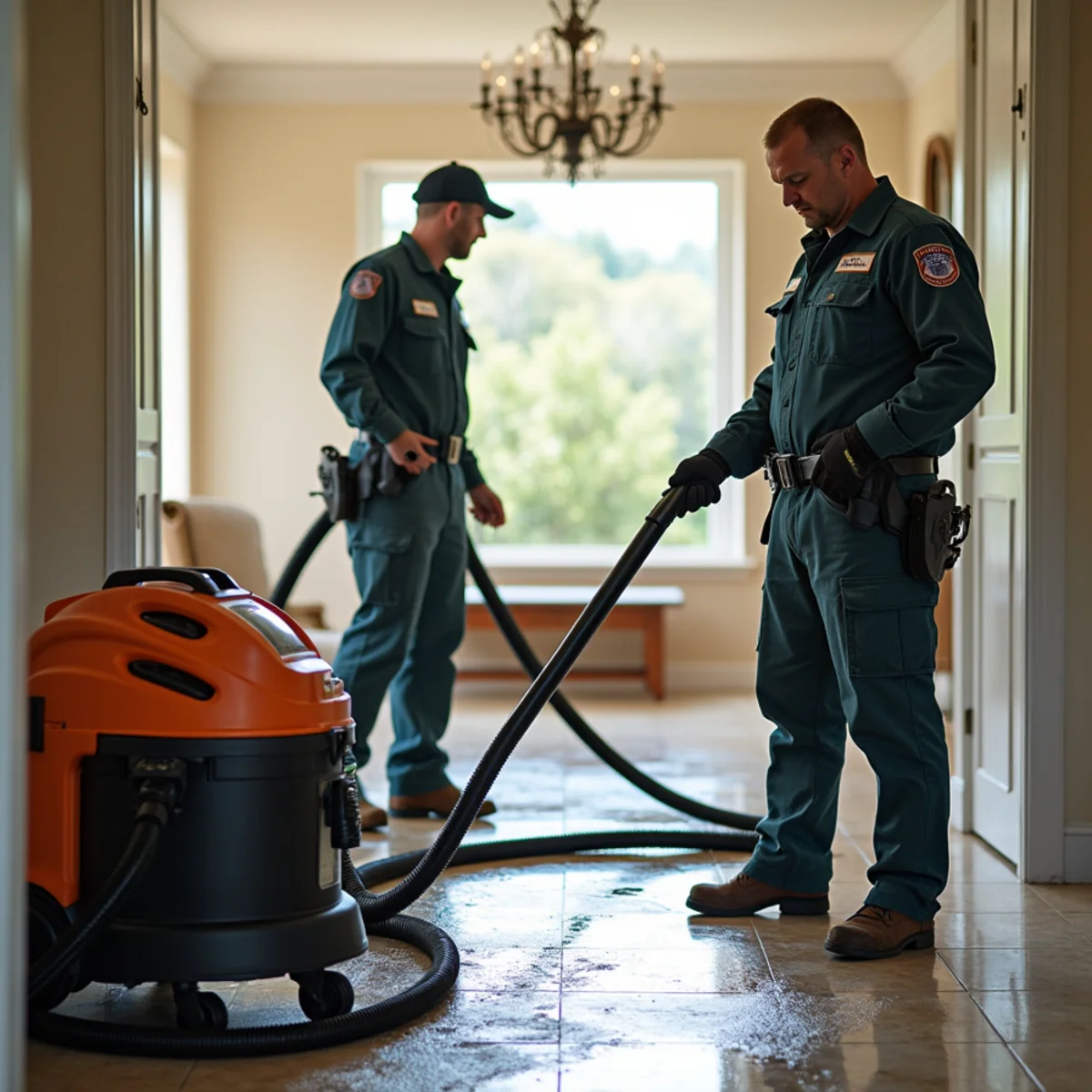 How-To
DIY vs. Professional Water Damage Restoration: When to Call a Pro
Some water you can clean up with a mop and a box fan. Some will cost you thousands in hidden mold if you try. The deciding factor is not how handy you are — it is the water, the clock, and how far it spread.
 How-To
How to Choose a Water Damage Restoration Company in Santa Barbara
After a water loss, the company you hire in the first hour shapes how much of your home gets saved — and whether your insurance claim goes smoothly. Here is exactly what to verify before you let anyone start pulling up floors.