
Black Mold vs. Mildew: How to Tell the Difference and When to Call a Pro
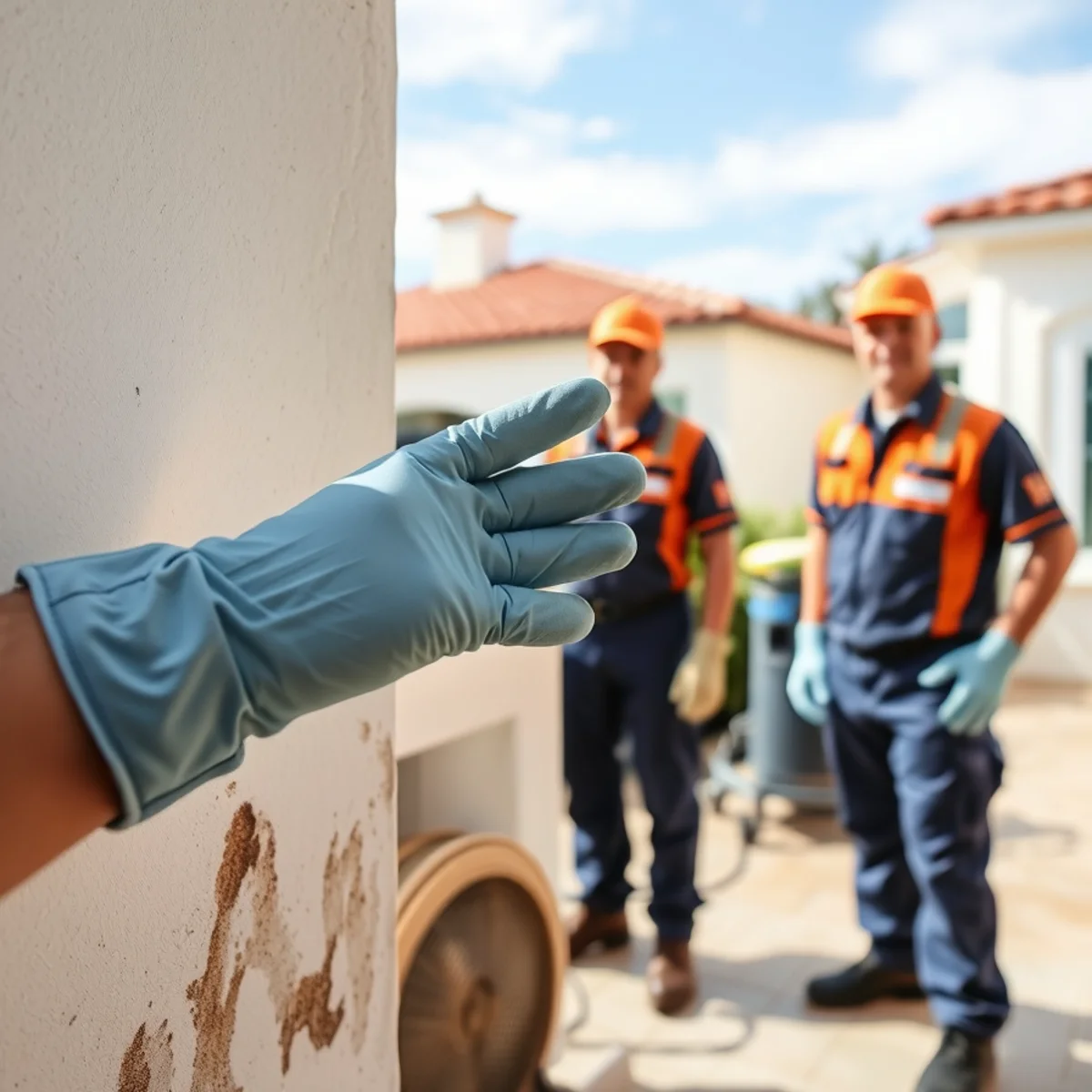
You find a dark patch in the bathroom or along a baseboard, and the question is immediate: is this the harmless stuff I can wipe away, or the kind that means trouble inside the wall? Getting that answer wrong goes both ways. You panic over mildew, or you ignore mold that is quietly spreading.
The confusion is understandable, because people use the words interchangeably. They are not the same. Mildew is a surface nuisance. What people call black mold is a deeper, more serious growth that usually signals a moisture problem you cannot see. Telling them apart is the first step to knowing what to do.
What mildew actually is
Mildew is a surface mold, typically a mold in its early, flat stage. It grows on top of damp surfaces rather than into them. You find it on shower tile and grout, windowsills, and other consistently humid spots. It appears as a thin, powdery or downy film.
- Color: usually white, grey, or light yellow, sometimes turning brown
- Texture: flat, powdery, or fluffy, sitting on the surface
- Location: on top of non-porous surfaces like tile, glass, and painted trim
- Behavior: wipes away with a household cleaner and does not usually return if the surface is kept dry
What people mean by black mold
The growth people call black mold is a colony that has moved beyond the surface and rooted into porous material. It often appears where water has soaked into drywall, wood, or insulation, which means it usually points to a moisture source behind the finish. The color is a clue, but color alone does not identify a species, and no one should try to identify a specific mold by eye.
- Color: dark green to black, sometimes with a greenish or slimy sheen
- Texture: fuzzy, slimy, or raised, not a thin film
- Location: on and in porous materials like drywall, wood framing, and behind baseboards
- Behavior: does not wipe away cleanly, returns quickly, and often comes with a strong musty smell
Expert tip
The wipe test tells you a lot. If a dark spot cleans off a hard surface and stays gone, it was likely mildew. If it smears, keeps coming back, or sits on drywall or wood, treat it as mold and look for the moisture feeding it.
The real difference that matters
Forget the exact species for a moment. The practical difference is depth and cause. Mildew sits on a surface you can dry and clean. Mold has rooted into material and is being fed by moisture, often hidden. Mildew is a cleaning task. Mold is a moisture problem with a biological symptom, and the growth is only the part you can see.
That is why chasing the stain never works on real mold. Bleaching the surface does nothing about the colony inside the drywall or the leak keeping it wet. It comes back because the cause is still there.
There is a health angle too. Mildew is mostly a cosmetic and comfort issue for most people. An established mold colony releases far more spores into the air, and disturbing it by scrubbing or tearing at it sends those spores through the house. If you suspect real mold, the safer move is to stop poking at it and get it assessed rather than risk spreading it.
When to call a professional
A little mildew on shower grout is yours to handle. Call a pro when the situation looks like more than a surface issue.
- The patch is larger than roughly ten square feet
- It is on or behind drywall, wood, or insulation rather than on tile or glass
- It keeps returning after you clean it
- There is a persistent musty smell, which signals hidden growth
- Anyone in the home has unexplained respiratory or allergy symptoms
In those cases, professional mold remediation is the right call. It uses containment, HEPA air scrubbers, and antimicrobial treatment to remove the colony safely and keep spores from spreading through the house during the work.
Fix the moisture, or it comes back
Remediation without solving the water source is temporary. If the growth is fed by a hidden leak, leak detection finds the source so it can be repaired. And once the leak is fixed, structural drying and dehumidification brings the material back to its dry standard, because mold cannot re-establish on material that is kept properly dry.
Coastal humidity tips the odds toward real mold here. In the ranch homes of Mariposa, mature landscaping and original plumbing raise the chance of a slow hidden leak, and along the salt-air bluffs of The Mesa, high humidity keeps surfaces damp enough for growth to move from mildew to something worse.
Know what you are dealing with
Mildew wipes away and stays gone. Mold roots in, returns, and points to hidden moisture. If a dark spot keeps coming back, smears on drywall, or brings a musty smell, it is time for a professional look. Call Restore Santa Barbara at (201) 277-9344. Our IICRC-certified team can tell the difference, find the moisture behind it, and handle it the right way.
Frequently Asked Questions
What is the difference between black mold and mildew?
How can I tell if it is mold or mildew?
When should I call a professional about mold?
Services in this article
Keep reading
 How-To
The Water Damage Restoration Process: What to Expect, Step by Step
Once the water is stopped, what actually happens next? Here is the full water damage restoration process, step by step, with a realistic timeline so you know what to expect from the first moisture reading to the final coat of paint.
 How-To
DIY vs. Professional Water Damage Restoration: When to Call a Pro
Some water you can clean up with a mop and a box fan. Some will cost you thousands in hidden mold if you try. The deciding factor is not how handy you are — it is the water, the clock, and how far it spread.
 How-To
How to Choose a Water Damage Restoration Company in Santa Barbara
After a water loss, the company you hire in the first hour shapes how much of your home gets saved — and whether your insurance claim goes smoothly. Here is exactly what to verify before you let anyone start pulling up floors.