
Slab Leak Repair vs. Whole-House Repipe: Costs and Insurance
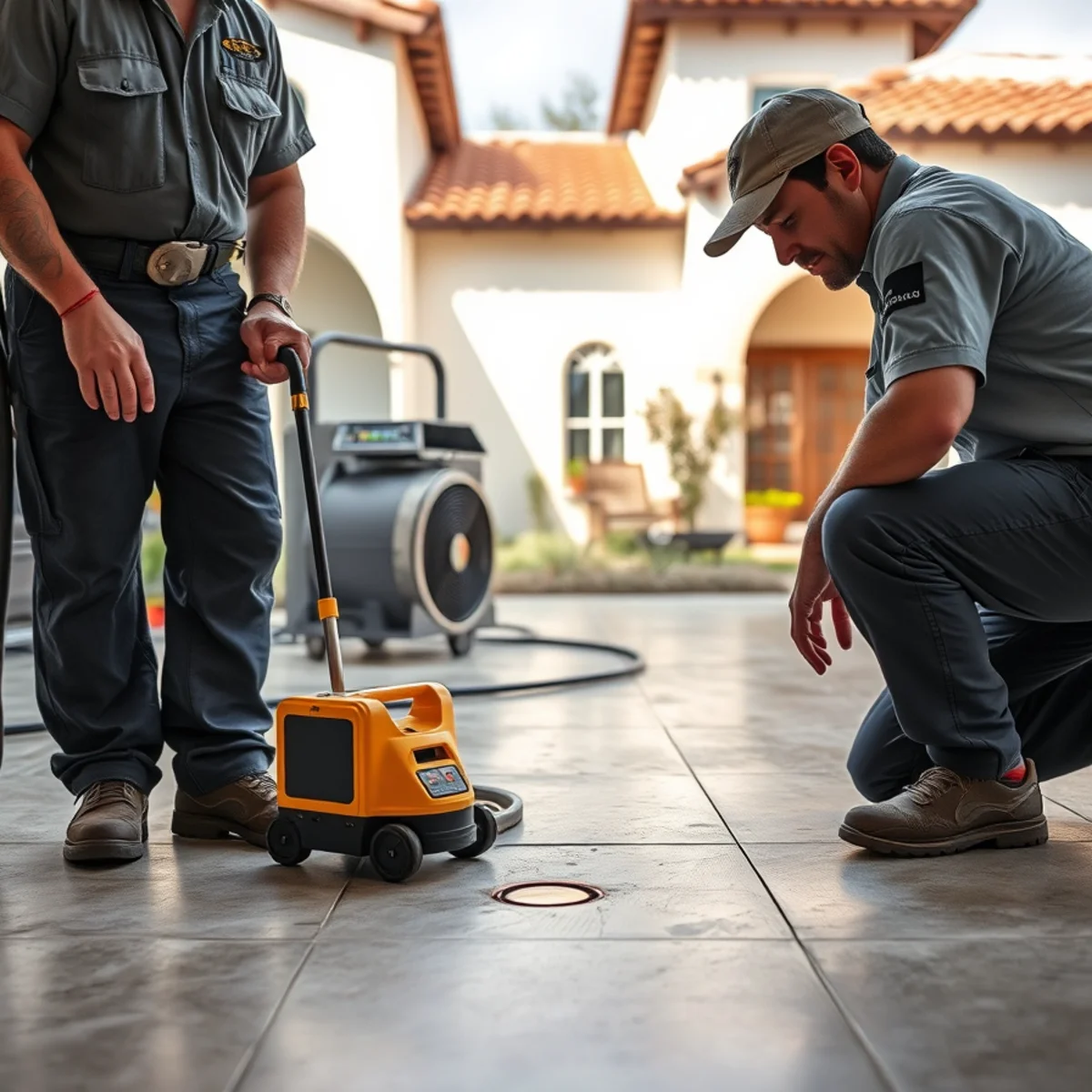
It often starts small. A warm spot on the tile floor. A water bill that jumped for no reason. The faint sound of water running when every faucet is off. Those are classic signs of a slab leak, a pipe failing in the concrete foundation under your home.
Once you confirm one, a hard question follows: do you fix the one pipe, or repipe the whole house? And will insurance pay for any of it?
What a slab leak actually is
A slab leak is a break in a water line running beneath or within the concrete slab your home sits on. Many Santa Barbara homes, especially 1950s to 70s ranches in neighborhoods like Eucalyptus Hill, were built with copper or galvanized lines routed through the slab. Decades of soil movement, hard water, and simple age wear those pipes down until one gives.
Left alone, a slab leak undermines the foundation, warps flooring, and feeds hidden moisture into walls. In our climate, that moisture becomes a mold problem fast.
Spot repair versus whole-house repipe
There are two ways to solve it, and the right call depends on the age and material of your plumbing.
Spot repair
A spot repair opens the slab at the failure point and fixes that single section. It is the cheaper, faster option, and it makes sense when the plumbing is otherwise sound and you have caught the first leak in a young system.
The risk: if your supply lines are old galvanized or thin copper, fixing one leak often just moves the problem. The next weak spot can fail a year later, and you pay for access all over again.
Whole-house repipe
A repipe replaces the supply lines throughout the home, usually rerouting them through walls and the attic instead of the slab. It costs more up front and is more disruptive, but it ends the cycle. For homes on their second or third slab leak, a repipe is almost always the smarter money.
A good rule of thumb: one isolated leak in newer copper points to spot repair. A pattern of leaks in aging pipe points to a repipe.
Does insurance cover slab leak repair?
This is where homeowners get surprised. Most California policies split a slab leak into two parts, and they treat each differently.
- The pipe itself: usually not covered. Fixing or replacing a failed pipe is considered maintenance.
- Access, the tear-out: often covered. Many policies pay to break open and restore the slab and flooring to reach the leak. This is sometimes called tear-out coverage.
- The resulting water damage: usually covered, if the leak was sudden. Drying the structure, replacing ruined flooring, and repairing walls typically fall under a standard policy.
In plain terms: your insurer may not buy you a new pipe, but it may pay to reach it and to repair what the water ruined. A whole-house repipe done for prevention, with no active damage, is rarely covered. That is an upgrade, not a covered loss.
Gradual leaks complicate things. If an adjuster decides the pipe was weeping for months, they may deny even the damage portion. That is why fast, professional leak detection matters, pinpointing the source with electronic equipment and thermal imaging, before you open the floor, builds the timeline your claim needs.
What it costs
A slab leak repair varies widely with access and finish work. The plumbing fix is only part of it; the bigger cost is often the water damage cleanup and restoration around it.
For context, water damage restoration in California typically runs $1,600 to $9,700, with most homeowners paying $1,384 to $6,384. Clean-water cleanup runs about $3 to $4 per square foot; if the leak sat long enough to contaminate, grey water runs $4 to $6.50. The average water-damage insurance claim is around $13,954 once structure and contents are added in.
A repipe adds plumbing labor on top, but spreads the risk across the whole system. When you weigh the two, factor in the odds of paying for access and drying a second and third time.
Finding it and drying it right
Two things decide how a slab leak ends: how precisely you locate it, and how thoroughly you dry the structure afterward.
We start with non-invasive slab leak water damage service, locating the break so the plumber opens the smallest possible section of floor. Then we handle the part most plumbers do not, pulling the hidden moisture back out. Concrete and framing hold water long after the surface looks dry. Our structural drying and dehumidification crews set air movers and LGR dehumidifiers, meter the moisture daily, and confirm the slab and surrounding walls are dry before anything gets closed up. Homeowners from Eucalyptus Hill to Hope Ranch call us for exactly this.
Coverage varies, so read your policy
Slab leak coverage differs sharply between carriers and even between policies from the same carrier. Some include tear-out coverage; some exclude it. Before you commit to a repair path, confirm what your specific policy pays with your agent or adjuster.
Making the call
Choose a spot repair for a first leak in sound plumbing. Choose a repipe when the pattern says the whole system is tired. Either way, expect your insurer to help with access and water damage far more than with the pipe itself.
If you suspect a slab leak right now, a warm floor, a spiking bill, the sound of water with everything off, call us at (201) 277-9344. Our IICRC-certified team answers day or night, locates the leak without tearing up your whole floor, and works directly with your adjuster on what comes next.
Frequently Asked Questions
Does insurance cover slab leak repair?
Is it better to repair a slab leak or repipe the whole house?
How do you find a slab leak without breaking the floor?
Will a slab leak cause mold?
Services in this article
Areas we serve
Keep reading
 Cost & Insurance
Sewage Backup Cleanup Costs — and Whether Insurance Will Pay
Sewage backups are the costliest water losses to clean up, and insurance usually pays only with a backup endorsement most homeowners forget to buy.
 Cost & Insurance
Flood Insurance vs. Homeowners Insurance: Why Storm Flooding Isn't Covered
Storm flooding is excluded from every standard homeowners policy. Here is why, how flood insurance differs, and who on the South Coast should carry it.
 Cost & Insurance
What Drives Mold Remediation Costs Up (or Down) on the Central Coast
Mold remediation costs swing widely on the Central Coast. Learn what pushes the price up, what keeps it down, and why the marine layer makes speed everything.