
Sewage Backup Cleanup Costs — and Whether Insurance Will Pay
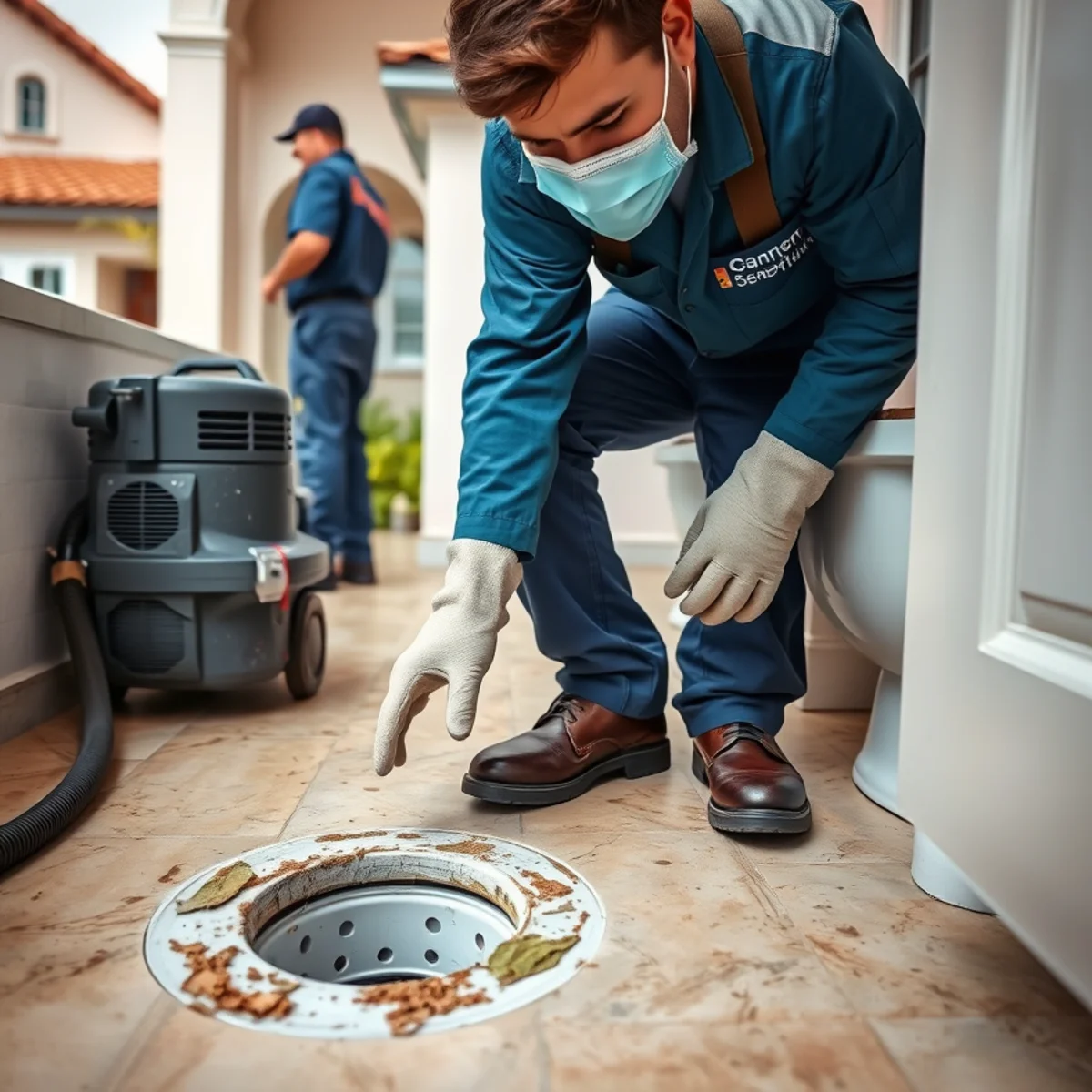
Few emergencies rattle a homeowner like sewage coming back up through a drain. It is foul, it is fast, and it is a genuine health hazard. On top of the mess, two worries hit at once: what will this cost to clean up, and will insurance pay for it?
Both answers depend on details most people never think about until they are standing at the edge of it.
Why sewage is the worst kind of water
Restoration pros sort water into three categories, and sewage is the worst of them.
- Category 1: clean water from a supply line or a fresh tap.
- Category 2: grey water from an appliance or a washing machine, mildly contaminated.
- Category 3: black water, meaning sewage, drain backups, and floodwater, carrying bacteria and pathogens.
A sewage backup is Category 3 by definition. It contaminates everything it touches: flooring, drywall, baseboards, and anything porous. That is why cleanup is not just about removing the water; it is about safely removing and disposing of contaminated material and disinfecting what remains.
What sewage cleanup costs
Black water is the most expensive water to clean up, and for good reason. The work demands protective equipment, containment, disposal of contaminated material, and thorough disinfection.
On a per-square-foot basis, contaminated black water runs about $7 to $7.50, compared with $3 to $4 for clean water and $4 to $6.50 for grey. Overall, water damage restoration in California typically runs $1,600 to $9,700, and a sewage loss tends toward the higher end because of the contamination work. The average water-damage insurance claim is around $13,954 once you factor in ruined flooring, drywall, and contents that cannot be salvaged.
How much you pay depends on how far the sewage spread, how long it sat, and how much porous material has to be removed rather than cleaned.
Will insurance pay? The endorsement gap
Here is the part that catches people. A standard homeowners policy usually does not cover sewer or drain backups. That coverage comes from a specific add-on, a sewer backup or water backup endorsement, that you have to buy separately.
If you have that endorsement, a backup is typically covered up to the endorsement's limit. If you do not, the claim is often denied, even though the same policy would have covered a burst pipe. It is one of the most common and costly coverage gaps we see.
A few more wrinkles matter:
- Backups caused by a municipal main issue may involve the city or a separate claim.
- Damage from tree roots invading old clay-tile laterals, common in older Santa Barbara neighborhoods, may be treated as a maintenance issue.
- Flood-related sewage from storm water falls under flood insurance, not homeowners.
The takeaway: check your declarations page now for a water or sewer backup endorsement, before you ever need it. It is usually inexpensive to add and pays for itself the first time a lateral clogs.
Why this is not a DIY cleanup
It is tempting to grab a mop and gloves and handle it yourself. Do not. Sewage carries bacteria, viruses, and parasites, and the aerosols alone are a health risk in an enclosed space. Porous materials that soaked up black water, like carpet, pad, drywall, and particleboard, generally cannot be disinfected reliably and need to come out.
This is common in rental-dense areas like Isla Vista, where a single lateral serves many units and a backup can affect several households at once, and in older homes around the Lower East still running original clay-tile sewer laterals. The safe path is professional sewage cleanup with proper containment, extraction, disposal, and disinfection.
How professional sewage cleanup works
The process is built around safety and thoroughness, in this order:
- Contain the area and set up protective barriers to stop the spread.
- Extract the sewage with truck-mounted equipment during fast emergency water removal.
- Remove and bag contaminated porous materials for disposal.
- Clean and disinfect all surfaces with antimicrobial treatment.
- Dry the structure completely and confirm it with moisture meters.
- Address any resulting mold before rebuilding.
Speed still matters here. Fast emergency water removal limits contamination and secondary damage, and because sewage feeds mold quickly in our humidity, mold remediation is sometimes part of the same job. Doing all of it under one roof keeps the timeline tight and the documentation clean for your claim.
Check your endorsement and confirm with your insurer
Sewer and drain backup coverage is usually an optional endorsement, not part of the base policy, and limits vary. Do not assume you are covered. Read your policy, look specifically for a water or sewer backup endorsement, and confirm the details with your insurer.
The bottom line
Sewage backups are Category 3 losses, the most hazardous and the most expensive to clean up properly. Whether insurance pays usually hinges on one add-on most homeowners forget they can buy. Check for that endorsement today, and never treat a sewage backup as a DIY job.
If sewage is backing up in your home right now, keep everyone clear of it and call us at (201) 277-9344. Our IICRC-certified crew answers day or night, dispatches within 30 minutes, and handles the cleanup safely from extraction to disinfection.
Frequently Asked Questions
Does homeowners insurance cover sewage backup?
How much does sewage cleanup cost?
Can I clean up a sewage backup myself?
Does sewage backup cause mold?
Services in this article
Areas we serve
Keep reading
 Cost & Insurance
Flood Insurance vs. Homeowners Insurance: Why Storm Flooding Isn't Covered
Storm flooding is excluded from every standard homeowners policy. Here is why, how flood insurance differs, and who on the South Coast should carry it.
 Cost & Insurance
What Drives Mold Remediation Costs Up (or Down) on the Central Coast
Mold remediation costs swing widely on the Central Coast. Learn what pushes the price up, what keeps it down, and why the marine layer makes speed everything.
 Cost & Insurance
How to Document Water Damage for an Insurance Claim
A water damage claim is won or lost in the first hour. Here is the step-by-step way to document the loss so your adjuster pays what you are owed.